


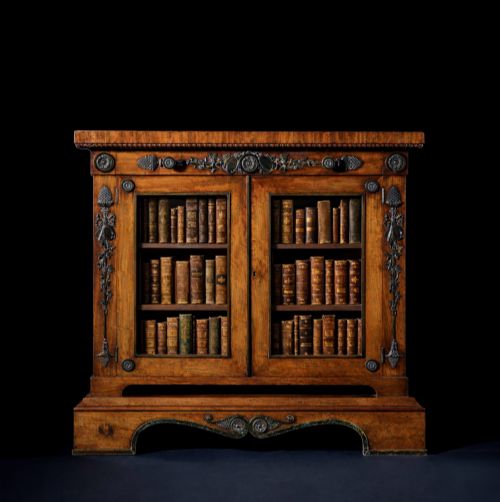
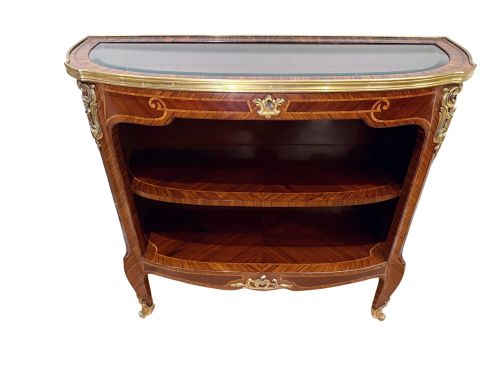
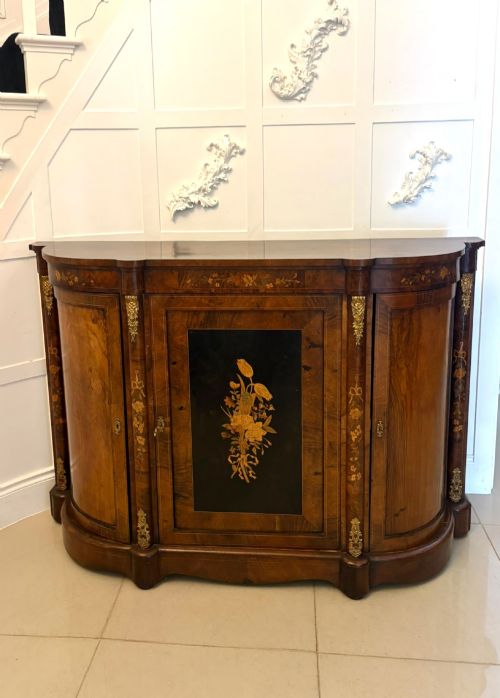
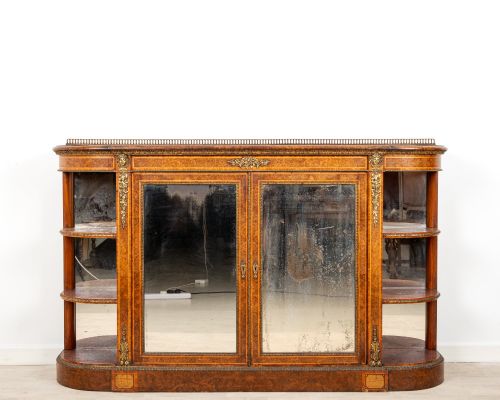
Bronze Mounted Display Cabinet
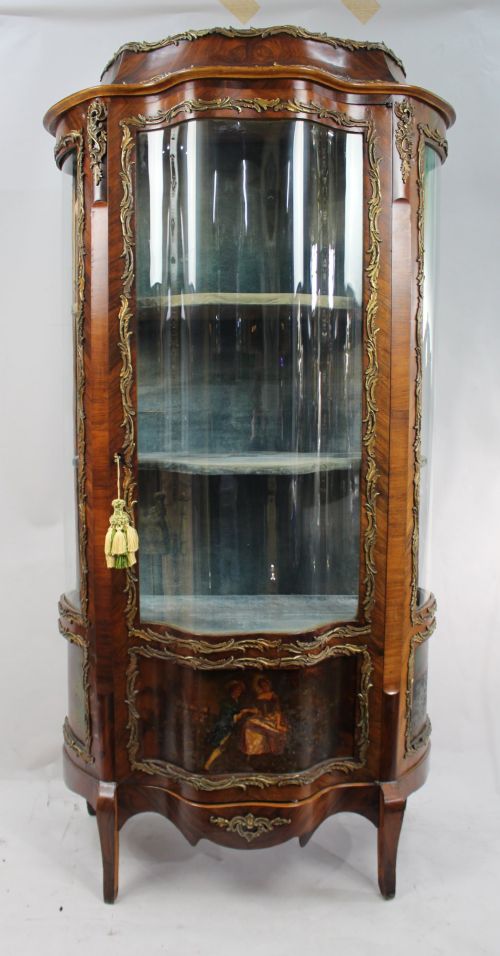
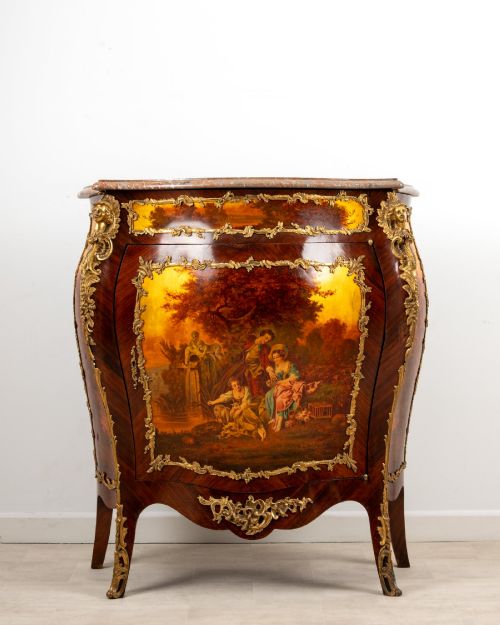
A bronze mounted display cabinet brings French and Victorian craftsmanship into a room with glazed panels and metal mounts.
Bronze Mounted Display Cabinet
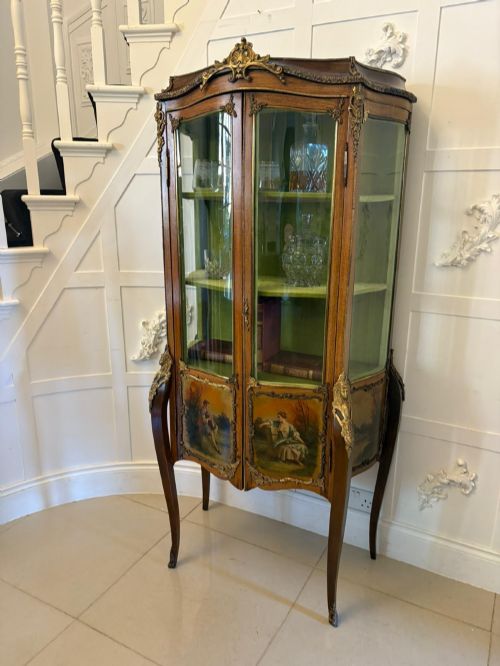
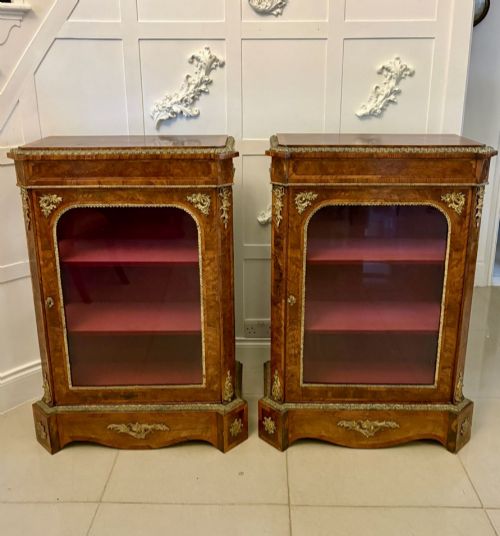
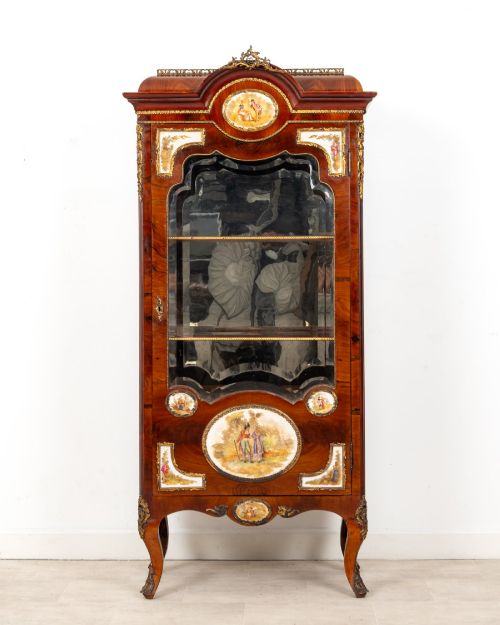
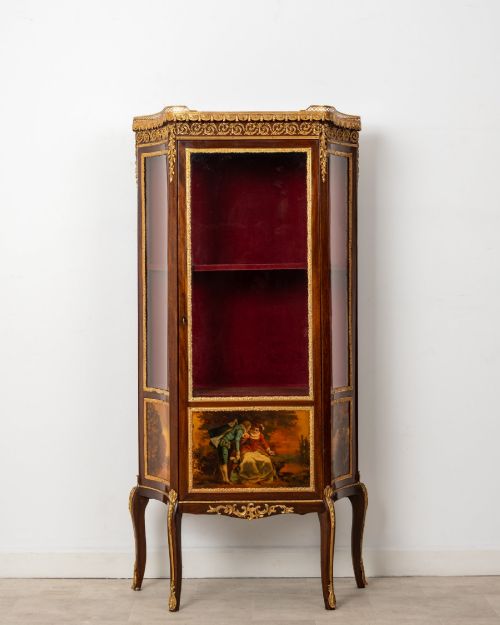
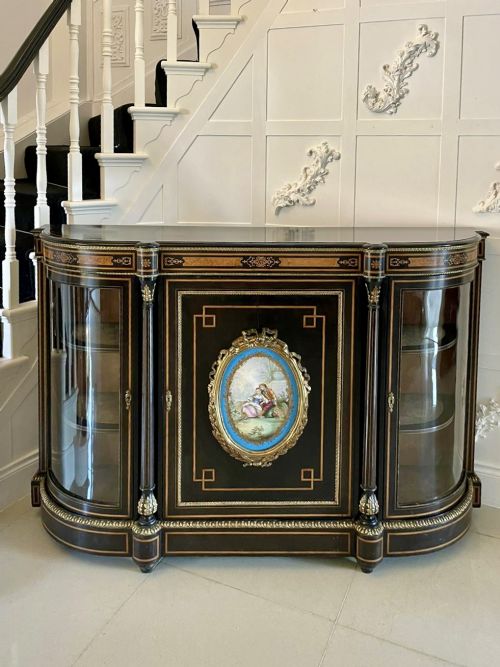
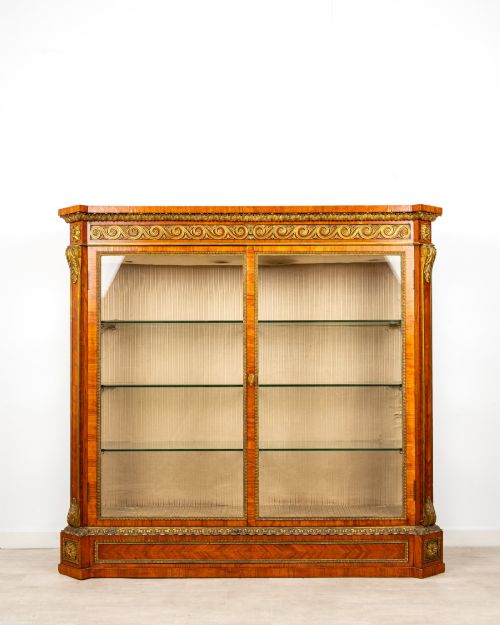
A bronze mounted display cabinet is typically encountered as a Victorian or nineteenth-century French piece designed to showcase porcelain and curiosities. The selection here leans towards freestanding vitrines, credenzas, and pier cabinets featuring glazed doors and timber frames.
Makers drew on Louis XV and Louis XVI revivals, building upright display pieces alongside low credenzas topped with marble. These cabinets served formal reception rooms where hosts displayed their refined taste through collected objects.
Judging Quality
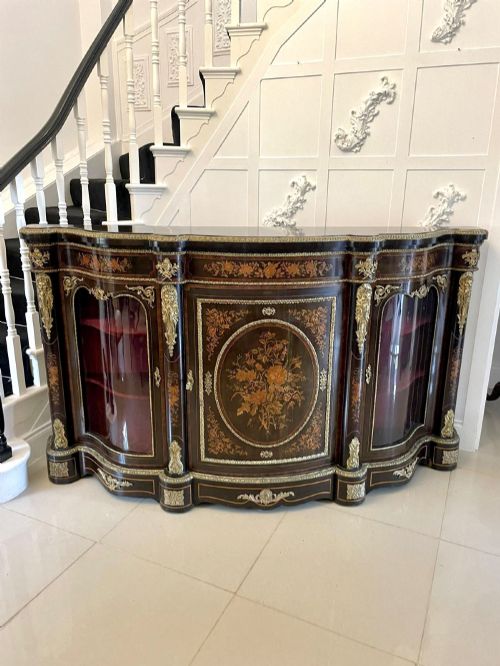
Quality rests in the crispness of the gilt bronze or ormolu mounts and the depth of the timber grain used in the marquetry. Heavy, finely chased metalwork and substantial marble slabs distinguish superior pieces from simpler commercial work.
Cabinetmaking skill shows in the precision of serpentine curves, the fit of glazed doors, and the retention of original interior silk linings and glass.
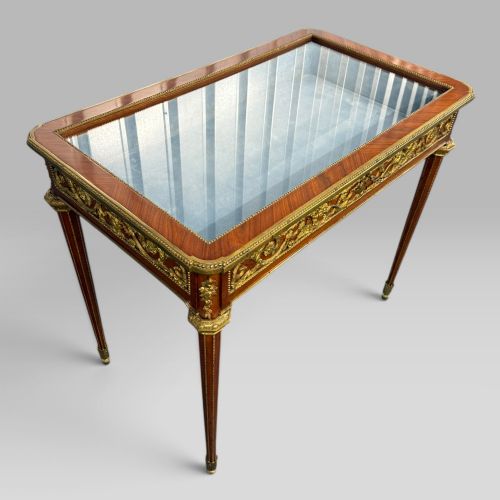
Some miniature vitrines were built as table-top sedan cabinets, giving tiny porcelain trinkets their own palatial transport.
Gabriel Viardot·François Linke·H. J. Hatfield And Sons·Gillows·Mercier Frères·Maison Gagneau·Paul Sormani
The Bronze Mounted Display Cabinet Glossary
- Ormolu
- Cast bronze that has been mercury gilded to achieve a bright gold finish. It provides structural and decorative mounts on nineteenth-century furniture.
- Vitrine
- A glass-fronted cabinet or display case made specifically to show off porcelain, figures, and curiosities. These pieces often feature glass side panels to maximise light.
- Vernis Martin
- A type of simulated Japanese lacquer developed in France during the eighteenth century and revived in later furniture. It uses translucent varnish layers over painted scenes.
- Credenza
- A low cabinet originating in Italy and adapted in the nineteenth century for side storage and display. Victorian and French examples frequently combine cupboards with central glass doors.
- Marquetry
- Inlaid patterns of wood veneers applied to a furniture carcase to form pictorial or floral designs. Cabinetmakers selected contrasting timbers to create naturalistic shading.
Bronze Mounted Display Cabinet: Frequently Asked Questions
What is a bronze mounted display cabinet used for?
These cabinets were designed to display collections of fine porcelain, glass, and small objets d'art within formal entertaining spaces. The glass panels and mirrored interiors allowed light to circulate around the objects.
Today, owners utilise them for the exact same purpose, housing ceramics, silver, and personal collections while protecting them from dust.
How do I identify French revival styles?
French revival pieces from the nineteenth century draw heavily on Louis XV and Louis XVI design vocabulary. Look for asymmetrical rococo curves, scrolling ormolu mounts, and Vernis Martin painted panels.
Louis XVI pieces tend to show greater symmetry, neoclassical urn motifs, and straighter fluted legs combined with marble tops.
Where should I place a credenza cabinet?
Credenzas work best against long walls in dining rooms, drawing rooms, or wide hallways where their low profile does not overwhelm the ceiling height. Their flat tops provide an ideal surface for lamps and decorative objects.
Ensure the room has stable humidity and avoid direct sunlight to protect the polished wood veneers and interior silk fabrics.
Are these cabinets difficult to maintain?
Routine care involves dusting the wood with a soft, dry cloth and cleaning the glass panels with standard glass cleaner applied to a cloth rather than the wood. Ormolu mounts need only gentle dusting.
Keep the timber conditioned with appropriate wax and protect the marble top from acidic spills and heavy impacts.