


Bronze Miniature Painting
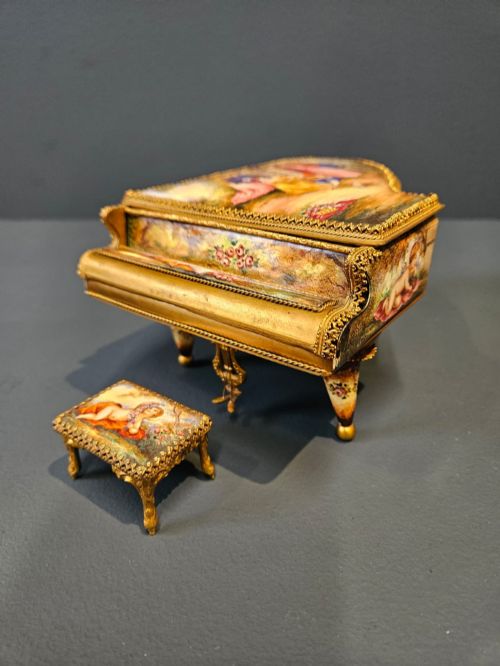
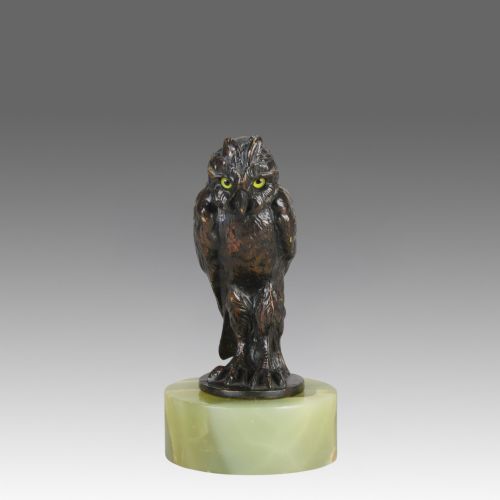
These pieces of bronze miniature painting combine tiny hand-painted portraits or detailed metal figures, offering a glimpse into centuries of miniature craftsmanship.
Bronze Miniature Painting
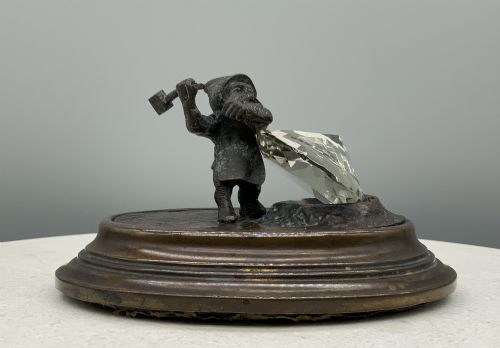
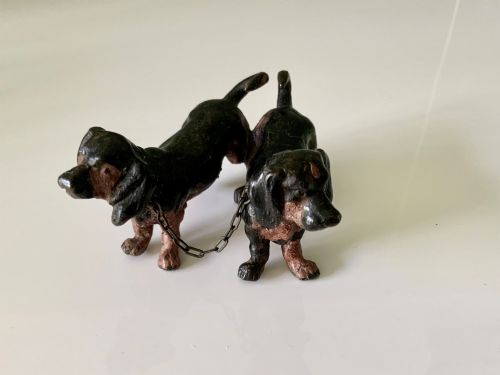
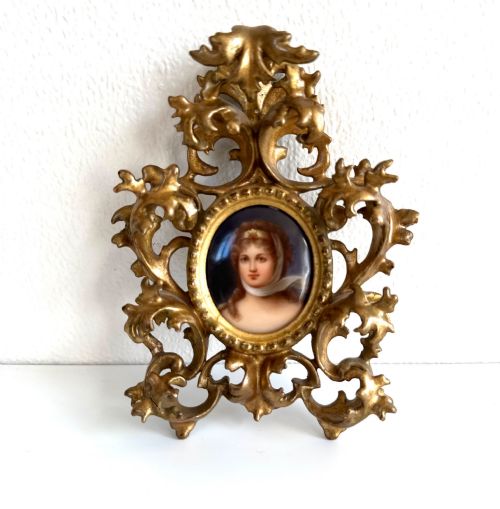
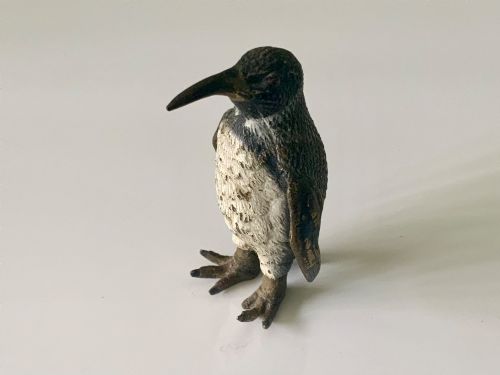
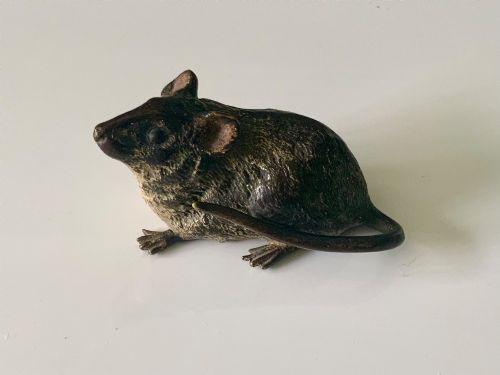
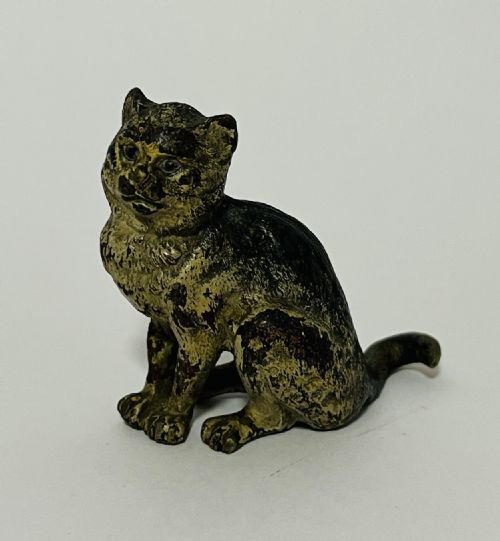
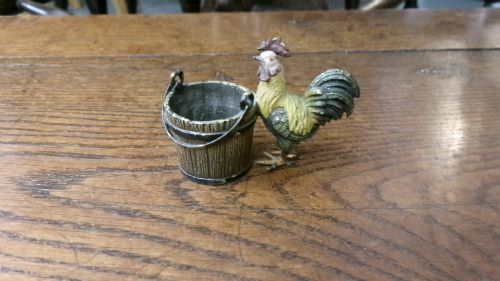
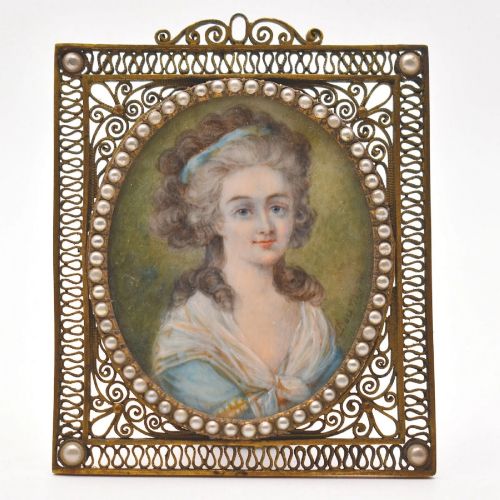
Bronze miniature painting encompasses small-scale works combining metal sculpture, particularly cold painted bronze and ormolu, with delicate hand-painted portraits and scenes. You will frequently encounter Austrian cold painted bronze animals and figures alongside framed portrait miniatures from the nineteenth century.
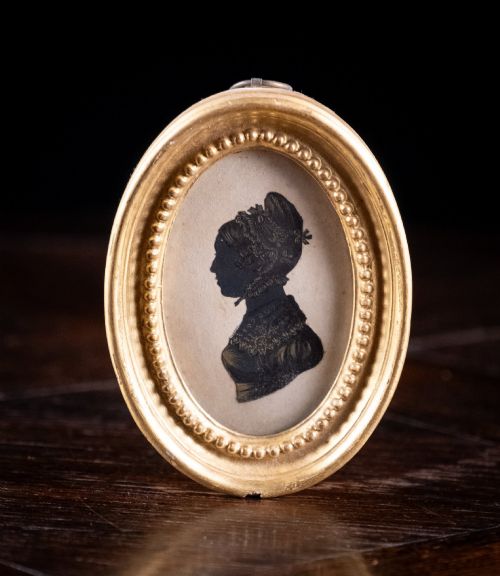
The selection ranges from Regency and Georgian silhouettes to Art Deco signed portrait miniatures and Vienna bronze figurines. These objects often incorporate glass, enamel, and gilt metal frames to protect and display the delicate artwork within.
Makers and artists utilised various materials including paper, watercolour, and enamel to execute portraits of ladies, children, and whimsical animal scenes. Many items reflect distinct periods such as the Victorian era, the turn of the century, and the 1930s.
How they were made
Artisans cast the metal elements in bronze, brass, or ormolu, often applying cold paint directly onto the unprimed metal surface. This technique required steady brushwork to capture minute details on small animal figurines and human figures.
Portrait miniatures were meticulously hand painted on paper, enamel, or ivory using fine watercolours and oils, then secured beneath protective glass in gilt or brass frames. Enamel work and champleve techniques added rich colour and pattern to music boxes, cabinets, and pin trays.
The listings span the eighteenth, nineteenth, and twentieth centuries, incorporating materials such as bronze, enamel, glass, and watercolour.
What varies in quality
Quality rests primarily on the crispness of the casting and the finesse of the brushwork in the painted details. Superior examples display expressive faces, intact cold paint with minimal flaking, and finely chased metal mounts.
The integrity of the framing and the preservation of the delicate paint surface differentiate standard production pieces from masterworks signed by notable artists or produced by esteemed Viennese foundries.
Franz Bergman·Susie Lassam·George Atkinson
The Bronze Miniature Painting Glossary
- Cold painted bronze
- A method where bronze sculptures were painted with cold oil paint without being fired in a kiln. This technique is especially characteristic of Austrian workshops from the late nineteenth and early twentieth centuries.
- Portrait miniature
- A small-scale painting, typically a portrait on paper or enamel, designed to be held in the hand or displayed in a small frame. These works often served as personal mementos or tokens of affection.
- Ormolu
- Gilded bronze used for decorative mounts, frames, and furniture ornaments. The process involves applying a fine layer of gold amalgam to a bronze base.
- Champleve enamel
- A technique where troughs or cells are hollowed out in the metal surface and filled with vitreous enamel before firing. This creates colourful decorative patterns on items such as pin trays and small boxes.
- Vienna bronze
- Small, highly detailed bronze sculptures produced in Vienna during the late nineteenth and early twentieth centuries. They frequently depict animals, human figures, and humorous or orientalist scenes.
Bronze Miniature Painting: Frequently Asked Questions
What is a cold painted bronze?
Cold painted bronze refers to a sculpture finished with oil paint that is allowed to dry naturally rather than being fired in a kiln.
This technique allowed makers to achieve vibrant, lifelike colours on tiny figures, though the paint can be prone to wear over time.
How were portrait miniatures displayed?
These small paintings were typically housed in gilt metal frames, table cabinets, or integrated into personal accessories like music boxes and pin trays.
Many were designed to sit on a desk or dressing table, while others featured loops for hanging on a wall or wearing as a pendant.
How do I care for antique miniatures?
Keep these delicate objects away from direct sunlight and high humidity to protect the fragile watercolours, paper, and cold painted metal surfaces.
Dust gently with a soft, dry brush and avoid using liquid cleaners or polishing agents on the painted areas or glass covers.
Are these pieces signed by artists?
Certain portrait miniatures and bronze sculptures bear signatures or initials from the artists who created them, while many workshop pieces remain unmarked.
Signatures help attribute works to specific painters or foundries active during the Georgian, Victorian, and Art Deco periods.