

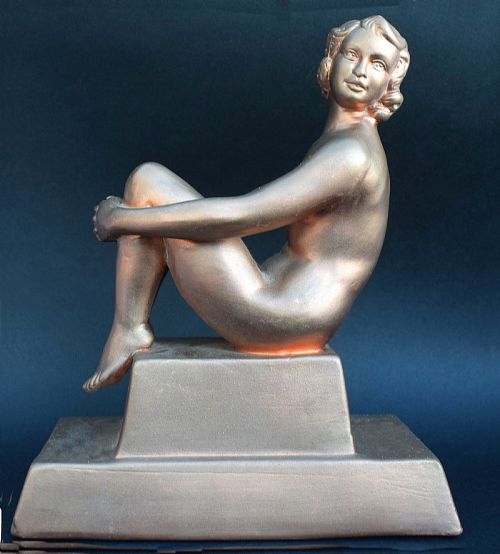


Bronze Mantelpiece Ornament
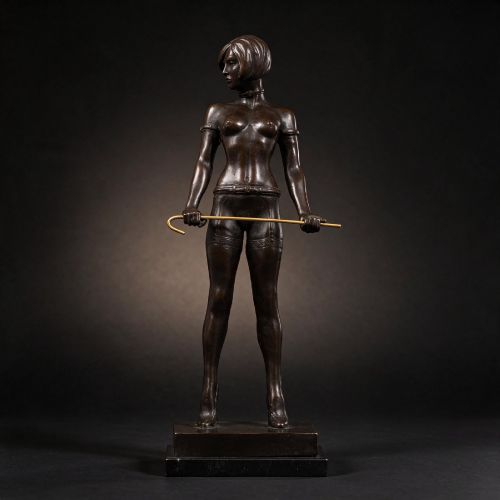
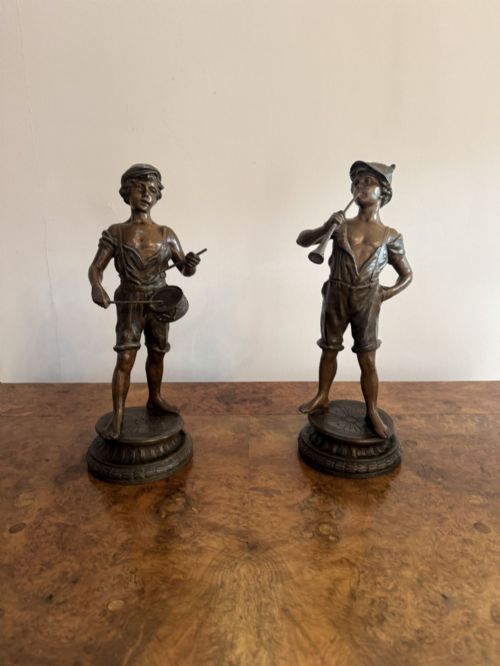
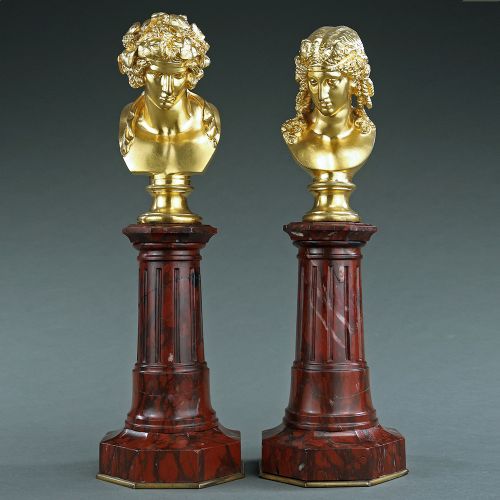
A bronze mantelpiece ornament brings sculptural weight and period character to a room, ranging from neoclassical busts to striking art deco figures.
Bronze Mantelpiece Ornament
A bronze mantelpiece ornament sits upon a shelf or ledge to anchor the room with sculptural presence. When you search for a bronze mantelpiece ornament, you encounter a varied selection spanning the nineteenth and twentieth centuries.
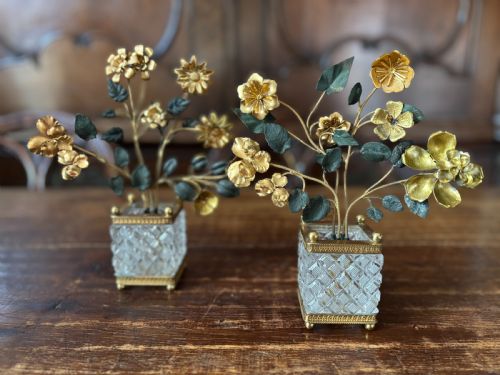
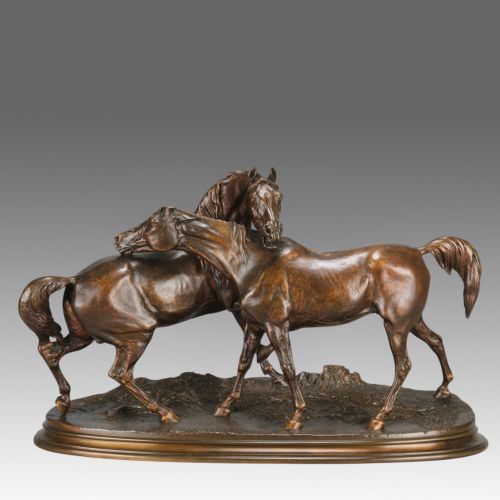
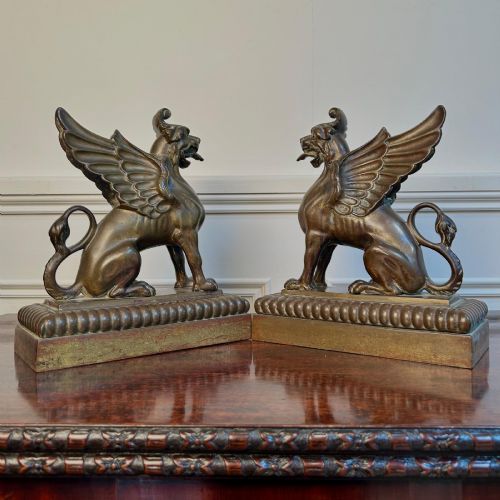
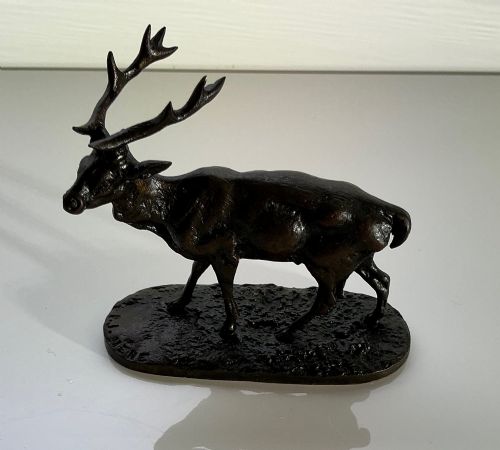
The objects take many forms, including animalier sculptures, classical figures, decorative obelisks, and urns. Pieces frequently pair metal figures with heavy stone bases made from marble or onyx.
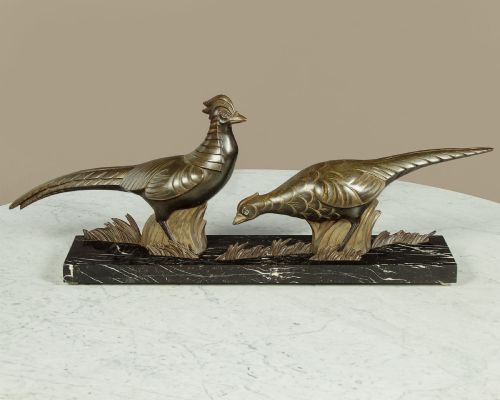
French origins dominate the selection, alongside items created during the Grand Tour and the Art Deco era. Figures of stags, pheasants, and human subjects appear alongside architectural garniture sets.
How they were made
Materials combine metal and stone to create substantial decorative objects. Cast bronze, spelter, and patinated metal form the sculptural elements, often finished with gilt or bronze patination.
Bases and architectural forms utilise natural materials such as marble and onyx, providing a solid foundation for the metalwork. Craftspeople employed casting techniques suited to both detailed figural groups and symmetrical garniture pieces.
Bronze Mantelpiece Ornament Retail Price Guide 2026
Typical asking prices for bronze mantelpiece ornament among the pieces listed under this phrase on Sellingantiques today, from the lower quarter to the upper quarter. They describe what is for sale here now, not the wider market.
Listings feature periods from the nineteenth century through the 1930s art deco era and into the later twentieth century.
What varies in quality
Quality rests in the crispness of the casting and the depth of the patination. Finer examples display sharp anatomical detail in figures and precise execution in decorative mounts.
The choice of base material influences the character of the piece, with solid marble and onyx mounting elevating the visual weight. The integrity of the pairing between figure and base marks the distinction between standard production and superior work.
P J Mêne·H. Bal
The Bronze Mantelpiece Ornament Glossary
- Animalier
- Art depicting animals, particularly nineteenth-century French sculptures focusing on realistic animal forms in motion.
- Spelter
- A zinc alloy frequently utilised as a substitute for bronze in decorative figures and urns, often given a bronze-like finish.
- Garniture
- A set of ornamental objects designed to be displayed together on a mantelpiece, typically comprising a central urn or clock flanked by matching vases or candelabras.
- Obelisk
- A tall, four-sided tapering monument ending in a pyramid-like top, used as a decorative architectural ornament in marble or stone.
- Campana
- A bell-shaped urn or vase form popular in classical design and nineteenth-century decorative metalwork.
Bronze Mantelpiece Ornament: Frequently Asked Questions
What is a bronze mantelpiece ornament?
A bronze mantelpiece ornament is a sculptural or decorative object designed to sit on a fireplace ledge. These pieces range from nineteenth-century animal figures to twentieth-century art deco groups.
They serve as focal points for a room, often incorporating materials like marble or onyx to give the composition visual weight and stability.
How do I style a mantelpiece ornament?
Styling these ornaments involves balancing scale and symmetry on the mantel ledge. Paired urns or obelisks work well to frame a central mirror or clock, while single figural sculptures stand alone as statement pieces.
Ensure the depth of the shelf accommodates the stone or metal base comfortably without overhang.
Are these ornaments made of solid bronze?
The selection includes pieces cast in genuine bronze alongside items made from spelter and patinated metal. Many sculptures are mounted on bases made of natural marble or onyx.
Heavier decorative garnitures often combine cast metal elements with stone bodies to achieve the desired traditional proportion.
How can I tell the period of an ornament?
Dating relies on the stylistic markers of the design, such as neoclassical motifs, Victorian Gothic revival details, or streamlined art deco forms. The materials, casting style, and base construction also offer clues to the era of production.
Nineteenth-century pieces frequently display classical or animalier subjects, whereas twentieth-century items often embrace geometric modernist styling.