


Bronze Floral Urns
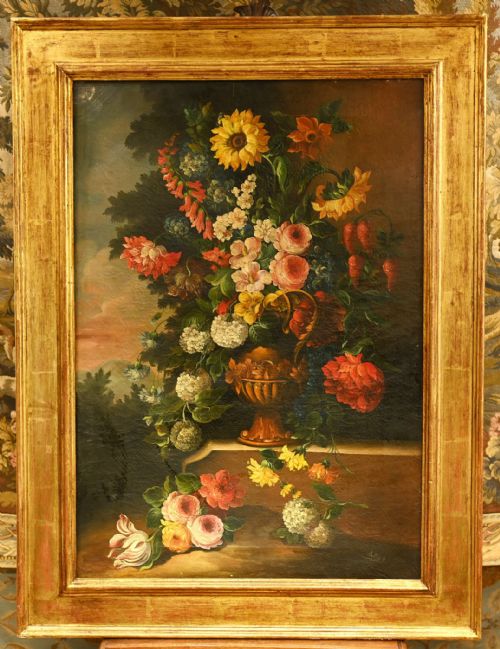
These bronze floral urns bring together cast metal and botanical decoration from the nineteenth century onward.
Bronze Floral Urns
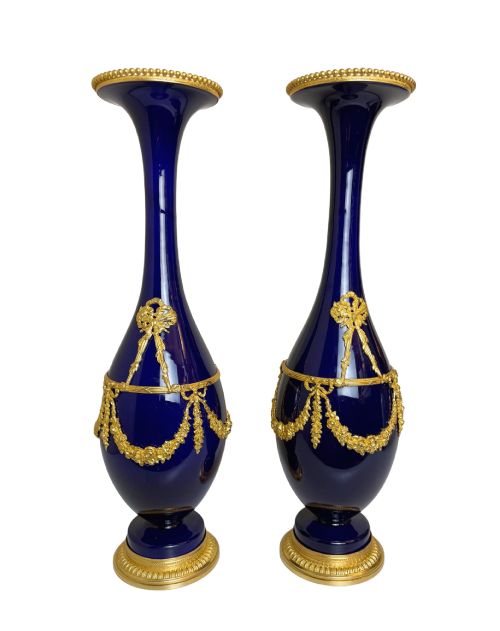
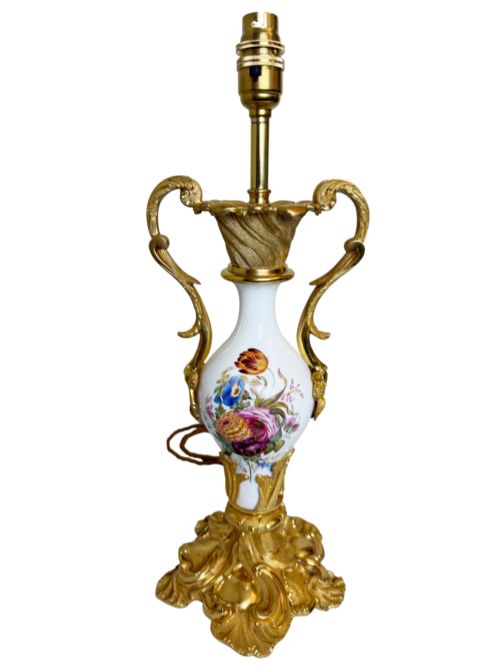
When you search for bronze floral urns, you encounter decorative vessels, table lamps, and jardinieres created during the nineteenth and early twentieth centuries. These pieces draw on French Rococo Revival, Louis XVI style, and Japanese Meiji period aesthetics, often combining cast metal bodies with botanical motifs.
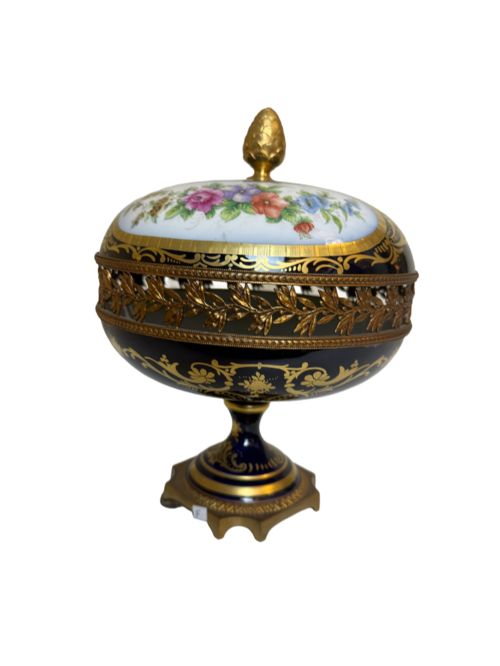
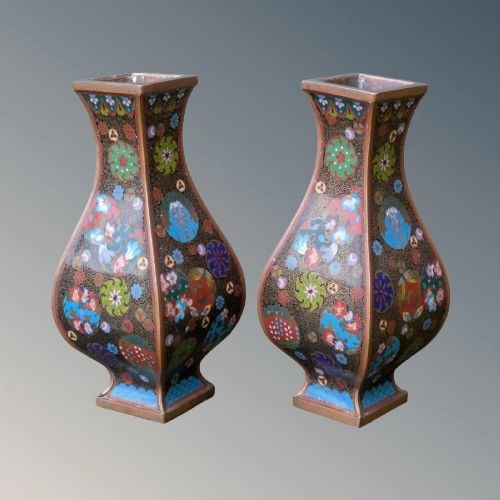
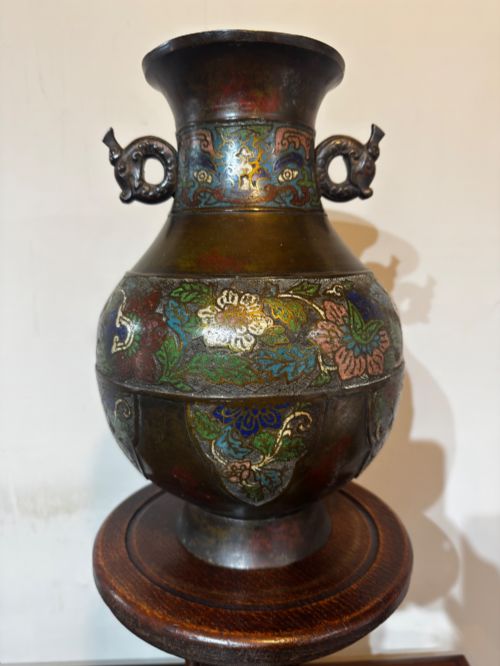
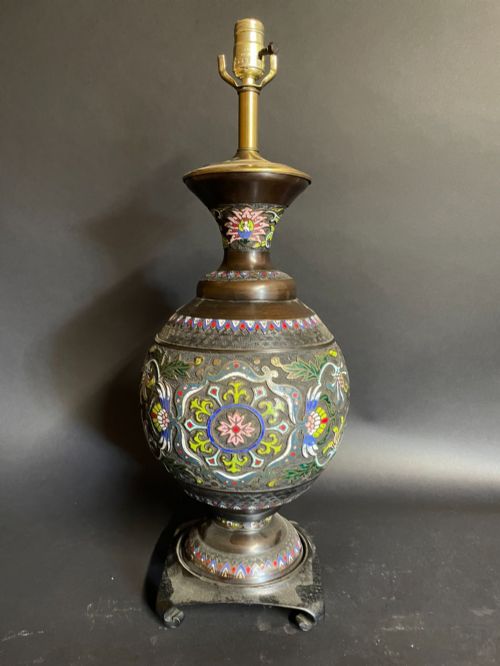
The versions most common on this page include Japanese bronze vases featuring raised floral and bird details alongside French porcelain and gilt bronze urns. Makers utilised mixed metals, champleve enamel, and cloisonne work to render flowers, foliage, and naturalistic scenes across bulbous and baluster forms.
Victorian and Grand Tour examples from Italy and France also appear, alongside Sevres style porcelain mounted in ormolu. Buyers select these items to introduce period craftsmanship and botanical ornament into interior spaces.
Materials and Construction
These items rely on bronze, gilt bronze, ormolu, and brass as foundational structural metals, frequently paired with porcelain, enamel, and copper. Artisans cast the metal components before applying chased, engraved, or patinated surface details.
Japanese Meiji examples incorporate mixed metal work with inlaid copper, silver, and bronze highlights to depict flowers and birds. Chinese and French pieces employ champleve and cloisonne techniques, fusing coloured enamel within wire partitions soldered to the metal base.
Listings feature items spanning the 1880s through the 1930s, including Victorian, Edwardian, Meiji, and Qing periods.
Distinctions in Quality
Quality rests in the crispness of the casting and the precision of the surface decoration. Superior examples display sharply defined floral motifs, clean chasing, and harmonious colour integration in the enamel or porcelain components.
The weight of the metal and the subtlety of the patina separate ordinary production from finer studio output. Signed Japanese bronzes or documented French mounts exhibit a superior command of proportion and finishing work.
Charles Korschann
The Bronze Floral Urns Glossary
- Ormolu
- Gilded bronze applied to furniture, clocks, and decorative vessels during the eighteenth and nineteenth centuries. This technique involves a mercury amalgam process to bond gold to a bronze surface.
- Cloisonne
- An enamelling technique where metal wire forms compartments on a base to hold coloured glass paste. The piece is then fired and polished smooth.
- Jardiniere
- An ornamental pot or stand designed to hold growing plants or cut flowers. These vessels appear in ceramic, bronze, and mixed metals.
- Grand Tour
- Extended travel through Europe undertaken by upper-class individuals during the nineteenth century. Souvenirs included classical bronze sculptures, goblets, and decorative urns.
- Baluster
- An architectural term describing a vase-shaped support or vessel profile with a rounded lower body tapering to a narrower neck.
Bronze Floral Urns: Frequently Asked Questions
What are bronze floral urns?
These decorative vessels combine cast metal construction with botanical ornamentation, spanning various nineteenth and early twentieth-century international styles.
They encompass Japanese Meiji bronze vases, French Rococo revival urns, and Chinese cloisonne pieces designed for display or functional lighting.
How were bronze floral urns used?
Historically, households displayed these vessels on mantelpieces, tables, and cabinets as ornamental focal points. Some served as jardinieres for plants, while others functioned as lamp bases or lidded ginger jars.
Their primary purpose remained aesthetic, intended to reflect refinement and an appreciation for global craftsmanship.
How do I identify a Meiji period piece?
Japanese Meiji period items typically exhibit precise mixed metal inlay, bronze patination, and naturalistic depictions of birds and flowers. Signatures or seals on the base frequently indicate the artisan or workshop.
These pieces reflect the opening of Japan to Western trade during the late nineteenth century.
How do I live with these items?
Place them on stable surfaces away from direct moisture to preserve patinated bronze, enamel, and gilt finishes. They integrate naturally into traditional and eclectic interiors as standalone sculptures or lamp conversions.
Gentle dusting with a soft cloth maintains the surface without disturbing the historical patina.