

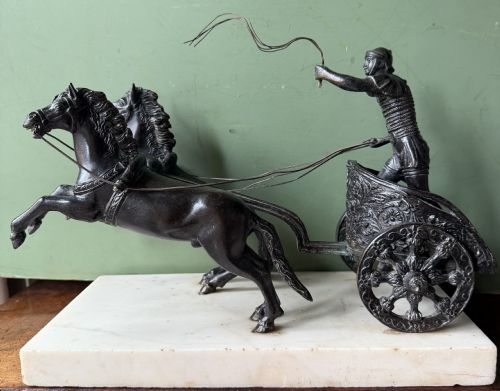
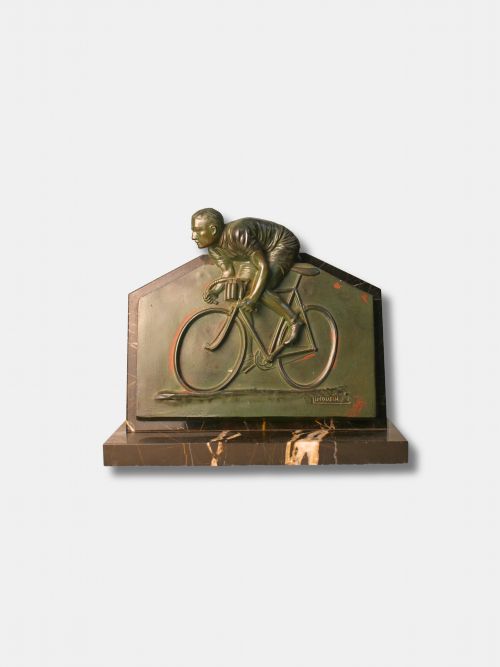




Bronze Figurine Marble Plinth
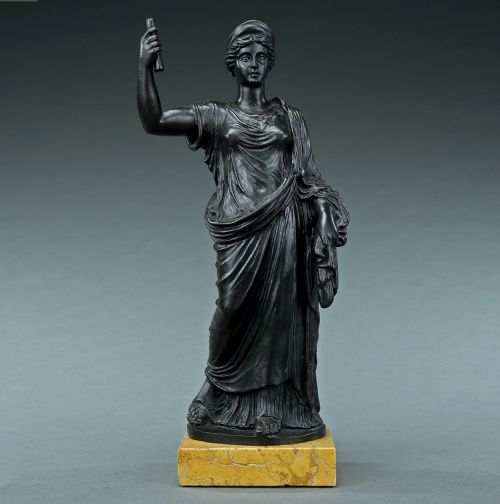
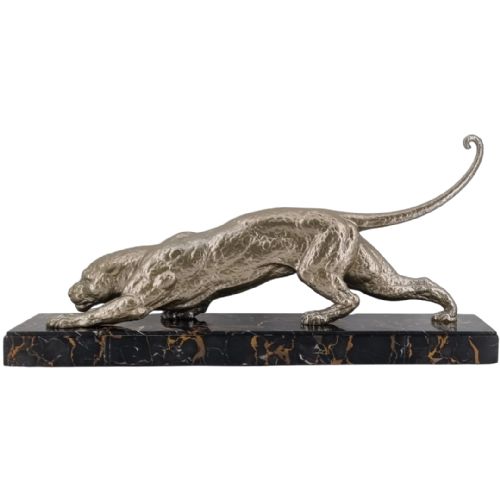
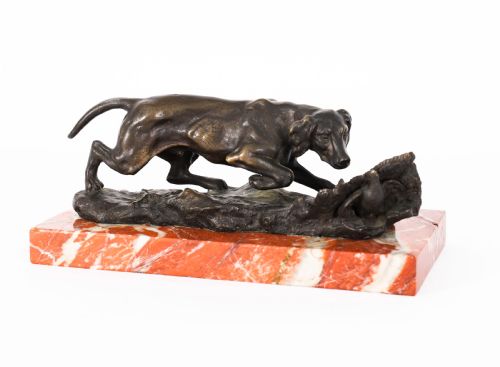
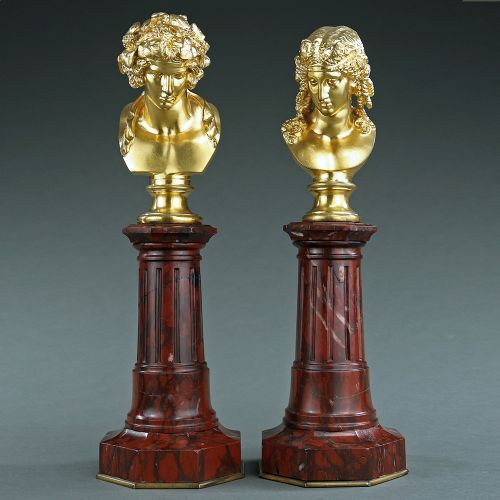
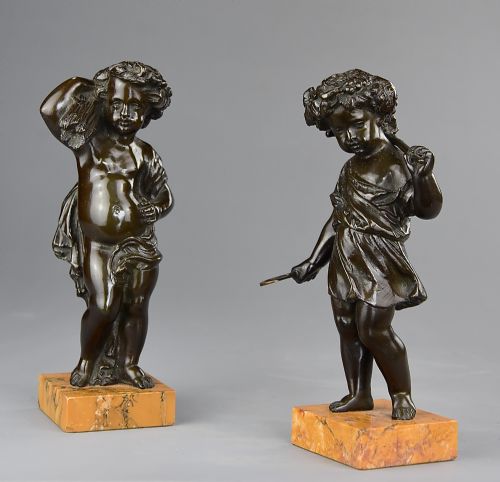
These bronze figurine marble plinth pieces combine classical metalwork with solid stone bases, bringing historical subjects and decorative sculpture directly into your interior.
Bronze Figurine Marble Plinth
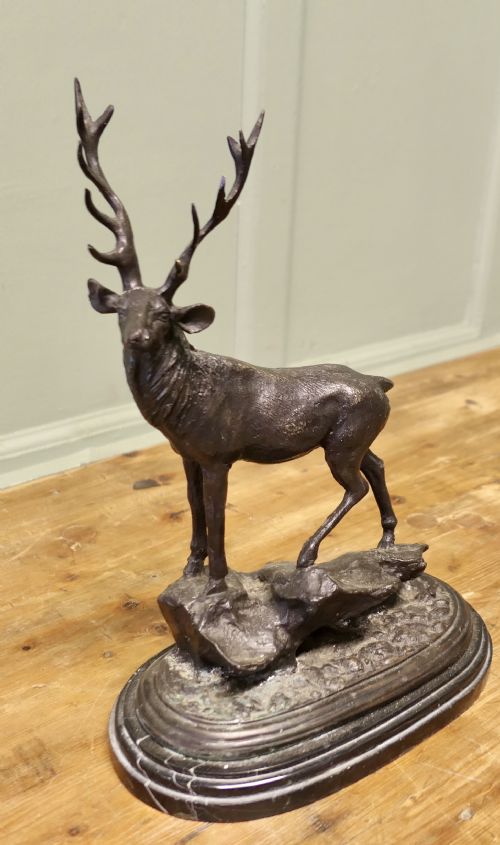
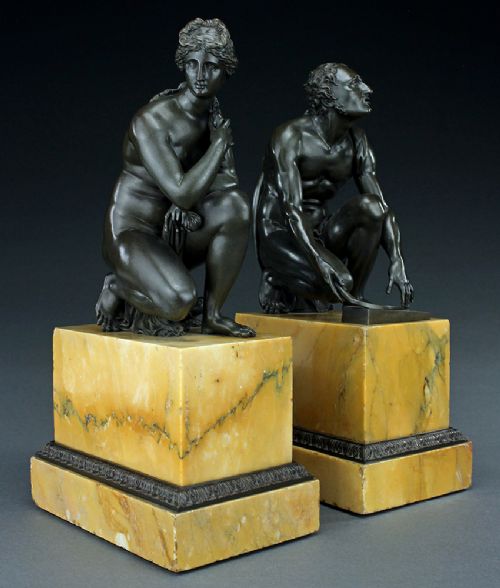
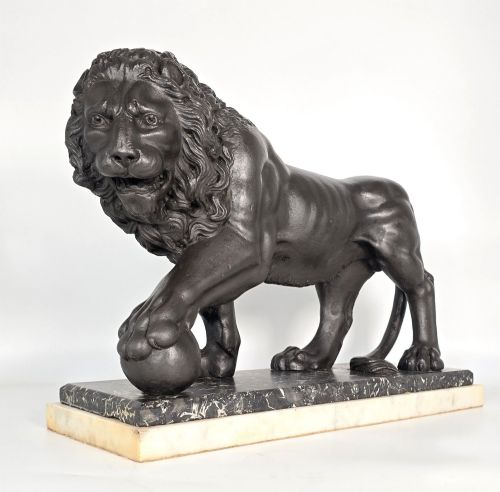
When searching for a bronze figurine marble plinth, you encounter nineteenth-century Grand Tour souvenirs, animalier studies, and twentieth-century Art Deco works. The selection spans classical mythological figures, literary philosophers, and sporting subjects mounted securely upon heavy stone supports.
The most common items on this page are nineteenth-century Grand Tour castings depicting classical deities, lions, and historical figures. These sit alongside later animal sculptures and athletic figures cast in spelter or bronze and fixed to variegated marble or onyx bases.
Makers and sculptors represented include Carl Kauba, Josef Lorenzl, and pieces after Claude Michael Clodion or in the manner of Aspetti. The forms range from small cabinet statuettes to substantial sculptural groups representing mythological narratives and historical events.
Materials and Casting Techniques
The figures are produced primarily through traditional metal casting methods utilising bronze, patinated metal, or spelter, sometimes with gilt finishes or cold-painted details. These metal components are then mounted onto weighty bases shaped from marble, red marble, Siena marble, or onyx.
The surface finishes rely on patination techniques to create varied tones on the metal, ranging from deep dark browns to bright gilt highlights. Stone plinths are cut, turned, and polished to provide a stable architectural contrast to the fluid lines of the figures above.
Bronze Figurine Marble Plinth Retail Price Guide 2026
Typical asking prices for bronze figurine marble plinth among the pieces listed under this phrase on Sellingantiques today, from the lower quarter to the upper quarter. They describe what is for sale here now, not the wider market.
Listings feature materials including bronze, gilt bronze, spelter, Siena marble, red marble, and onyx across various nineteenth and twentieth-century periods.
Distinguishing Quality and Execution
The selection of the base material also differentiates the range, with dense Siena marble or striking onyx plinths elevating the presentation compared to standard stone supports. The tightness of the fit between the figure's mounting pins and the stone plinth indicates the care taken during assembly.
Carl Kauba·Josef Lorenzl·Feridah Francis Forbes Taylor·R Henn·Claude Michael Clodion·Aspetti
The Bronze Figurine Marble Plinth Glossary
- Grand Tour
- A nineteenth-century tradition where wealthy travellers collected bronze souvenirs of classical antiquities and sculptures in Italy. These miniature bronzes were mounted on marble bases to serve as desk ornaments.
- Animalier
- A nineteenth-century artistic movement focused on the realistic portrayal of animals, particularly hunting dogs, stags, and lions. These figures capture beasts in natural motion, frequently set upon stone plinths.
- Spelter
- An alloy of zinc and lead utilised as a less expensive alternative to bronze for decorative figures. It is frequently patinated to imitate bronze and mounted on marble bases.
- Patinated Metal
- Metal treated with chemical solutions to produce a specific surface colour or aged finish. This process protects the underlying metal while enhancing the visual depth of the sculpture.
- Onyx
- A banded variety of chalcedony used frequently as a decorative stone base for Art Deco figures. Its translucent layers provide a distinctive contrasting plinth for metal sculptures.
Bronze Figurine Marble Plinth: Frequently Asked Questions
What periods do these bronze and marble pieces cover?
The listings span from early works through the nineteenth century, including Victorian Grand Tour examples, up to Art Deco and mid-twentieth-century productions.
Stylistic shifts trace the progression from classical Neoclassical revivals to the stylised forms of the 1920s and 1930s.
How do I distinguish bronze from spelter?
Bronze is a heavier, copper-based alloy that develops a durable natural patina and rings with a clear tone when tapped gently.
Spelter is a softer zinc alloy that feels lighter, may show grey metal beneath worn paint or patination, and is common in decorative statuettes from the late nineteenth century onwards.
What is a Grand Tour sculpture?
These are miniature bronze replicas of famous classical statues acquired by travellers touring European cultural sites during the eighteenth and nineteenth centuries.
They were cast in workshops across Italy and France, then mounted on marble plinths to decorate domestic studies and libraries.
How should I clean a marble plinth?
Dust the stone regularly with a soft, dry microfibre cloth to prevent the accumulation of grit in polished surfaces.
Avoid using abrasive cleaners, vinegar, or acidic solutions, which can etch and dull the polished finish of the marble or onyx.
Are the figures permanently attached to their bases?
Most figures are secured to their plinths using threaded rods, pins, or screws that pass through the stone from the underside.
This method keeps the sculpture stable while allowing the metal and stone components to be separated safely by a professional if restoration is required.