
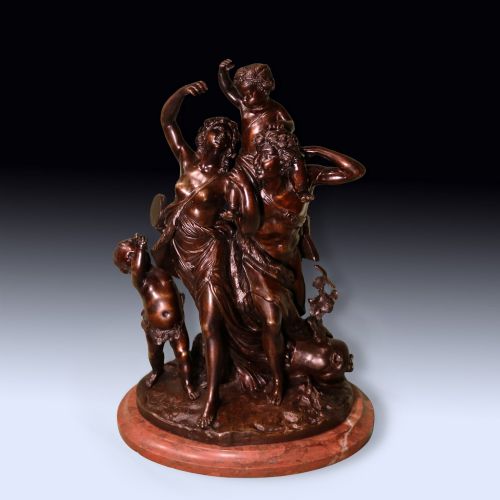
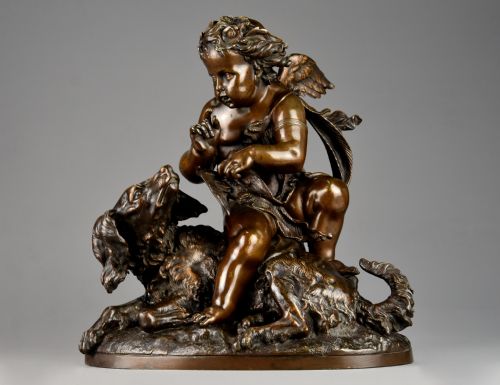


Bronze Figure Group
When you search for a bronze figure group, you encounter multi-figure sculptures cast to capture narrative scenes from mythology, nature and daily life.
Bronze Figure Group
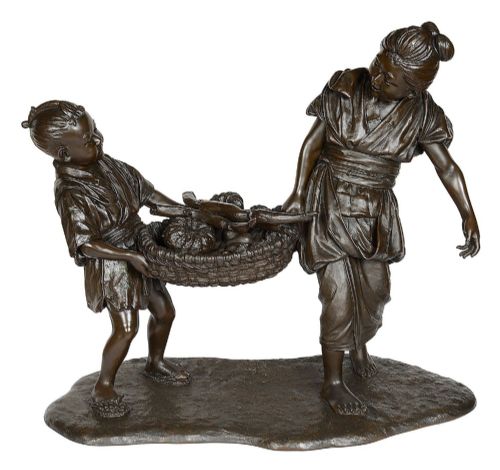
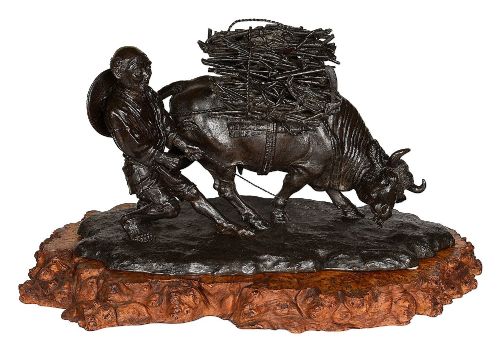
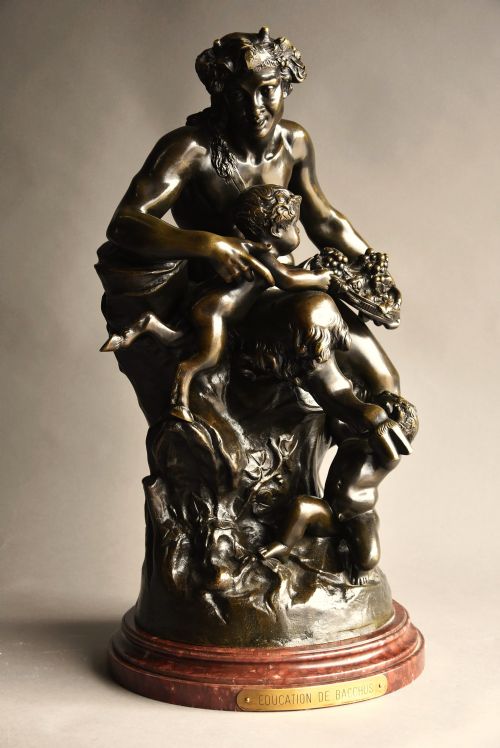
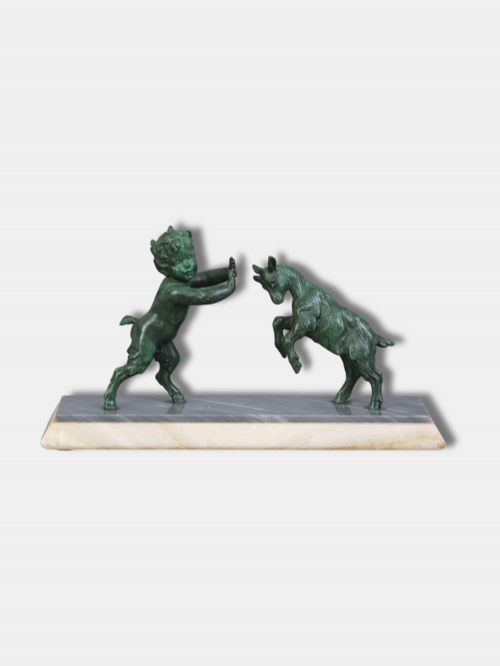
A bronze figure group brings together two or more interacting subjects within a single cast, ranging from mythological figures and putti to animals and human laborers. These multi-figure arrangements are frequently encountered in nineteenth-century French salon works and Meiji period Japanese bronzes.
Makers often drew inspiration from classical antiquity, the Grand Tour tradition, and the animalier movement, resulting in compositions filled with dramatic tension or domestic tenderness. Collectors find these pieces mounted on stone plinths such as marble and onyx or standing independently on integral cast bases.
Assessing quality and execution
The sophistication of the chasing work separates standard foundry output from masterworks, visible in the crispness of facial expressions, drapery folds, and musculature. Superior casts retain fine surface texture without obscuring details beneath heavy patination.
The balance of the composition and the integrity of the original foundry signature or cachet contribute significantly to the distinction of a piece.
Listings feature periods spanning from the eighteenth century through Art Deco 1930s works, utilising marble, onyx, and wood bases.
Claude Michel Clodion·Emile Carlier·E. Drouot·Kaniya Kuniharu·Auguste Moreau·Alfred Dubucand·Charles Cumberworth·Carl Kauba·P. J. Mene·I. Rochard·Chiparus
The Bronze Figure Group Glossary
- Patination
- The chemical treatment applied to the surface of the metal to alter its colour and tone. This process protects the bronze while enhancing visual depth.
- Animalier
- A nineteenth-century artistic style focused on realistic depictions of animals, often shown in naturalistic or combative groupings.
- Putto
- A representation of a small winged infant, frequently seen in classical revival and mythological groupings romping with grapes or marine creatures.
- Grand Tour
- The nineteenth-century travel tradition where wealthy collectors acquired small-scale classical bronzes as souvenirs of European journeys.
- Spelter
- A zinc alloy frequently utilised as a cost-effective alternative to bronze, commonly encountered in Art Deco figure groups.
Bronze Figure Group: Frequently Asked Questions
How do I clean an antique bronze?
Dust the surface gently with a soft dry brush to remove settled particles without disturbing the underlying chemical patination.
Avoid using water, metal polishes, or abrasive cloths, as these substances strip away historic finishes and damage the metal.
What is an animalier group?
An animalier group depicts animals acting in natural environments, often capturing predators and prey in dynamic encounters.
These pieces gained immense popularity across nineteenth-century European salons through specialised sculptors who studied anatomy closely.
How can I tell bronze from spelter?
Bronze feels heavier, displays a resonant metallic ring when tapped gently, and accepts a warm, rich patination.
Spelter is lighter, softer, and often shows a greyish metal beneath chips in the painted or bronze-toned surface finish.
Where were most nineteenth-century bronzes cast?
Foundries clustered heavily in Paris, producing works for international exhibitions and private collections through skilled lost-wax methods.
Japanese workshops also produced remarkable bronze and okimono figure groups during the Meiji period for global export.