



Bronze Figure Candlesticks
Bronze figure candlesticks combine functional lighting with sculptural form, bringing cast metal figures holding sconces into interior spaces.
Bronze Figure Candlesticks
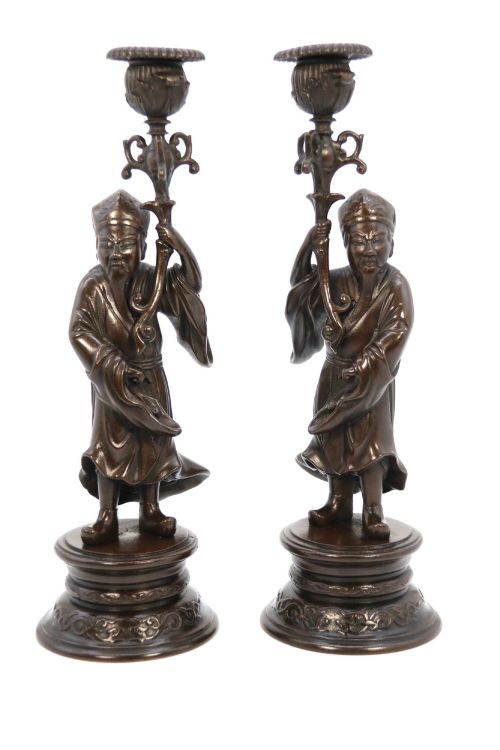
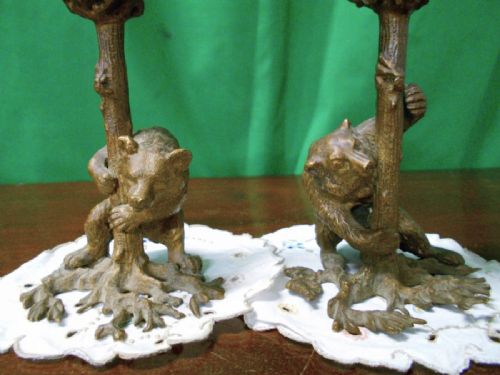
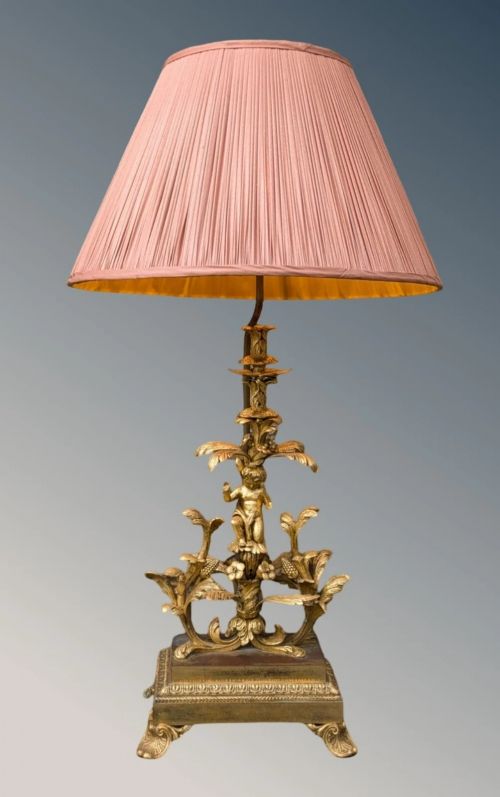
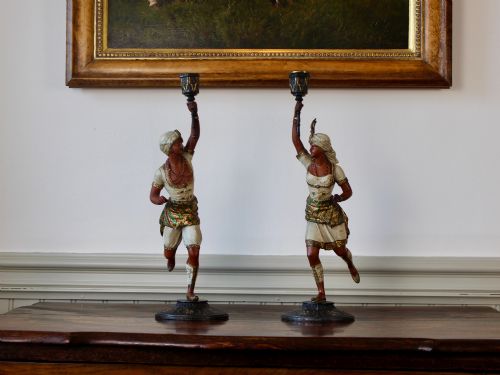
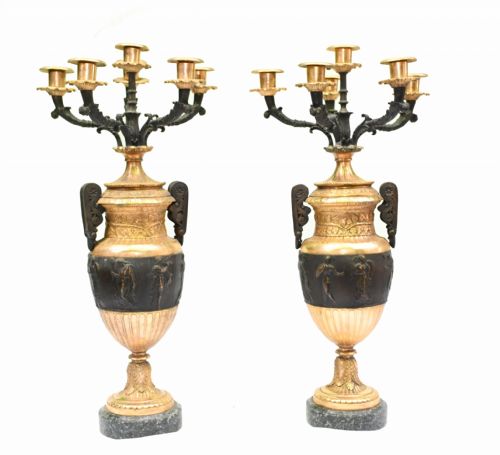
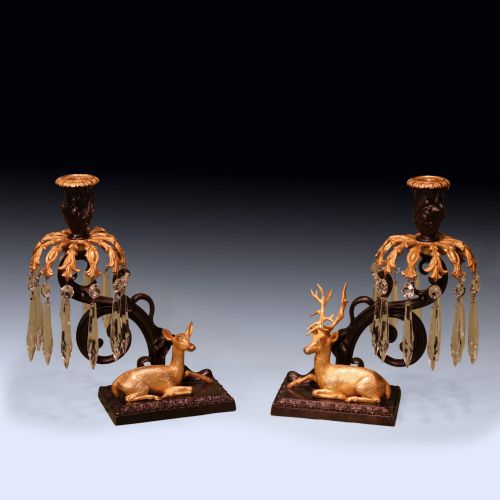
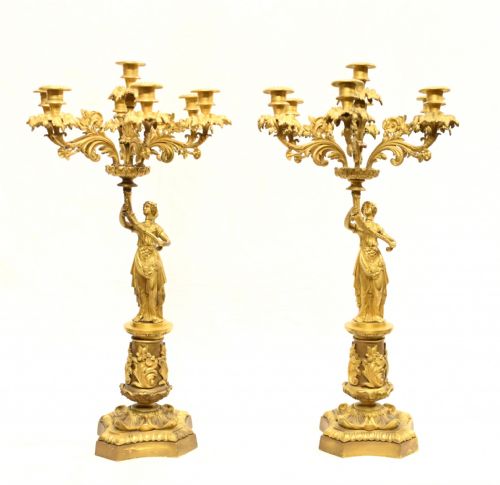
Bronze figure candlesticks unite metal sculpture with domestic illumination, depicting human figures, animals, and mythological characters supporting candle sockets. These objects emerge in various forms across the nineteenth century, including pairs designed for mantelpieces and tables.
The pieces on this page span the Regency period through the early twentieth century, with French Empire, Renaissance Revival, and Black Forest styles appearing frequently. Figures range from classical putti and caryatids to medieval characters, cavaliers, and exotic subjects.
Continental European workshops produced the majority of these items, with French, Italian, and English makers setting the dominant aesthetic trends. Buyers encounter both single candlesticks and matched pairs, often accompanied by multi-arm candelabra variants.
Materials and Casting Methods
Foundries utilised traditional lost-wax or sand-casting methods to shape the metal components, producing detailed figures in bronze, brass, patinated bronze, and spelter. These metal figures were then mounted upon heavy bases fashioned from marble, slate, or onyx to provide stability.
Surface finishing involved mercury gilding to create ormolu highlights, cold painting for added colour on spelter figures, and chemical patination to darken bronze surfaces. Gilt metal and cast iron also appear as alternative structural media across different workshop traditions.
Bronze Figure Candlesticks Retail Price Guide 2026
Typical asking prices for bronze figure candlesticks among the pieces listed under this phrase on Sellingantiques today, from the lower quarter to the upper quarter. They describe what is for sale here now, not the wider market.
Periods represented include the Regency era, 1860, 1870, 1880, 1890, 1900, and 1910.
Design and Execution
Material selection dictates durability and weight, with heavy genuine bronze and real marble bases offering a superior substance compared to lighter spelter and slate alternatives. The integration between the figural sculpture and the candle sockets reveals the original ambition of the maker.
Thomas Hope·Meissen
The Bronze Figure Candlesticks Glossary
- Ormolu
- Gilt bronze produced by applying a mixture of gold and mercury to a bronze base and heating it until the mercury vaporised. This technique creates a rich, durable golden surface.
- Spelter
- A zinc alloy utilised as a less expensive substitute for bronze in decorative figures. It is softer and lighter than bronze.
- Caryatid
- A sculpted female figure serving as an architectural support or pillar. In lighting, these figures often form the shaft of the candlestick.
- Patination
- The ageing or chemical treatment of a metal surface to produce a specific colour and finish. It protects the metal and adds visual depth.
- Putto
- A figure of a small chubby boy, often winged, derived from classical art. They appear frequently supporting candle arms.
Bronze Figure Candlesticks: Frequently Asked Questions
What periods do these candlesticks come from?
The pieces span the nineteenth and early twentieth centuries, capturing periods from Regency through to Edwardian production.
French Empire and Renaissance Revival influences dominate the manufacturing dates found across the selection.
How were figural candlesticks used?
These items functioned primarily as portable lighting for rooms before the advent of electricity, placed on mantelpieces, side tables, and desks.
They served as decorative sculptures during daylight hours and practical illumination sources at night.
What materials make up the figures?
Foundries used cast bronze, patinated bronze, gilt bronze, and spelter to shape the human, animal, and mythological figures.
Many examples incorporate marble, slate, or onyx for the structural bases supporting the metal figures.
How do you distinguish bronze from spelter?
Bronze is heavier, colder to the touch, and allows for sharper chiselled details during the finishing process.
Spelter is a softer zinc alloy that feels lighter and often shows painted surface treatments rather than natural patination.