
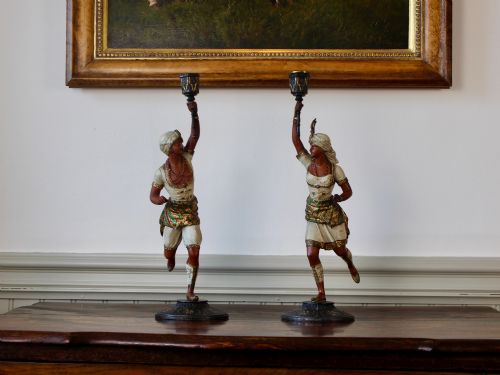


Bronze Figure Candle Holders
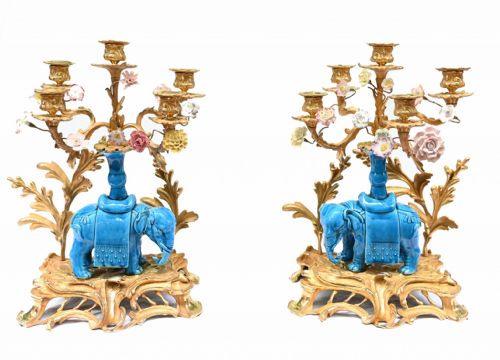
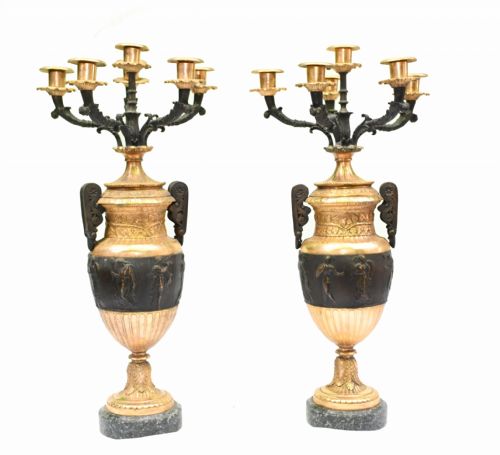
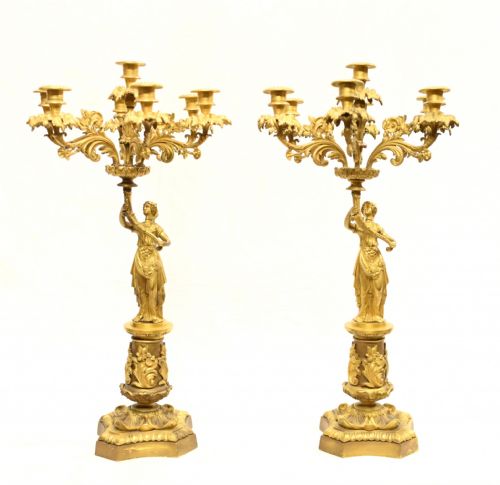
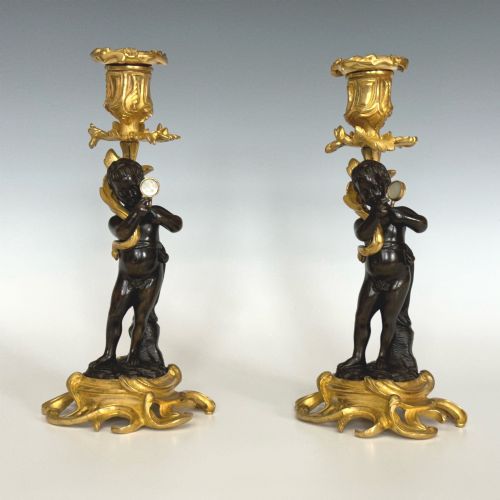
These bronze figure candle holders combine sculptural figures with functional lighting across French Empire, Regency, and nineteenth century European designs.
Bronze Figure Candle Holders
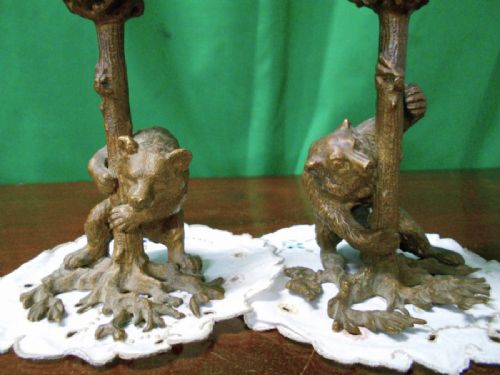
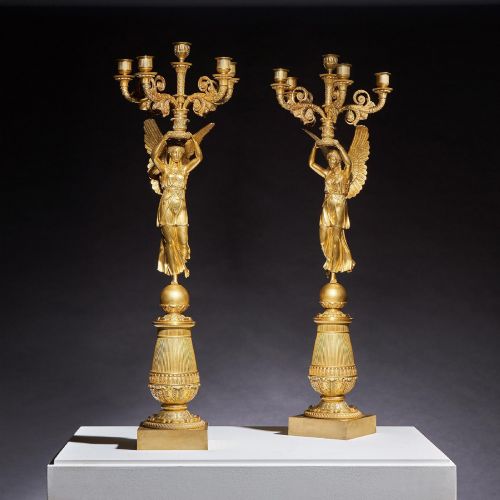
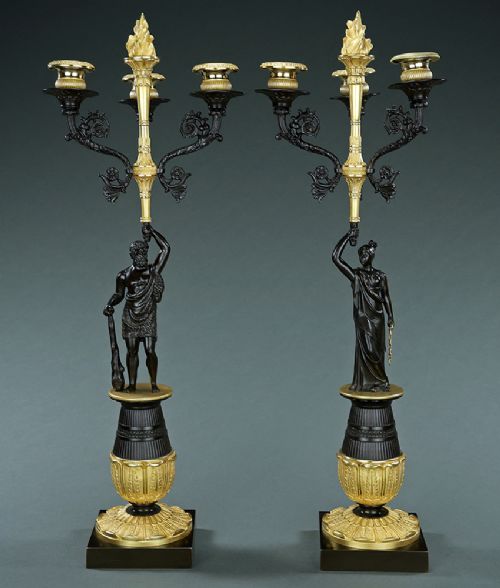
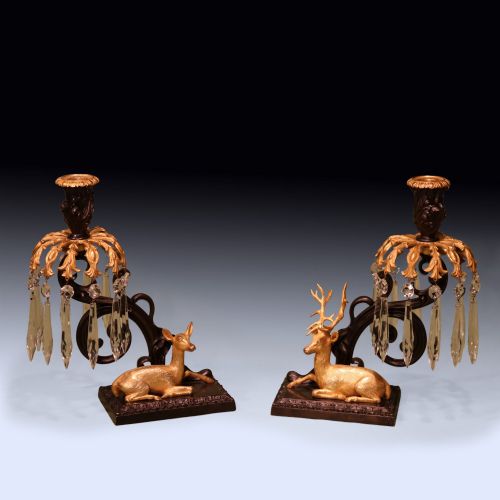
Bronze figure candle holders merge figural sculpture with domestic illumination, taking the form of candlesticks, multi-arm candelabra, torcheres, and wall lights. Buyers searching this phrase encounter pieces shaped as classical deities, animals, putti, human characters, and mythological subjects standing independently or mounted on bases.
The selections span from the mid eighteenth century through the nineteenth century and into the early twentieth century, with French Empire, Regency, and Napoleon III designs appearing frequently. Continental and English workshops produced these lighting devices to double as decorative mantel and table ornaments when unlit.
Materials and construction methods
Foundries utilised cast bronze, patinated bronze, and gilded metals including ormolu to shape the figural components and socket branches. Artisans combined these metallic elements with contrasting plinths and columns formed from marble, onyx, slate, and porcelain.
Medieval characters navigating their duties while balanced entirely on stilts.
Factors influencing quality
Materials contribute significantly to overall standard, with heavy natural marble and onyx bases supporting finely patinated figures showing superior weight and balance compared to lighter composite or plated alternatives.
Pierre Philippe Thomire·Thomas Hope·Humphrey Hopper
The Bronze Figure Candle Holders Glossary
- Ormolu
- Gilded bronze produced by applying a mercury and gold amalgam to a bronze base and heating it. This technique creates a durable golden finish seen on French Empire and Regency decorative objects.
- Patinated bronze
- Bronze treated with chemical solutions to create a dark or antique surface coloration. This finish protects the metal and highlights sculptural contours.
- Candelabra
- A branched lighting fixture holding multiple candles. These pieces often feature central figural shafts supporting two or more arms.
- Spelter
- An alloy of zinc used as a less costly alternative to bronze for figural castings. It is frequently painted or given a bronze finish.
- Grand Tour
- Souvenirs and classical antiquities acquired by travellers in Europe during the eighteenth and nineteenth centuries. These items often depict mythological figures or architectural bronzes.
Bronze Figure Candle Holders: Frequently Asked Questions
What periods do these holders date from?
The pieces span from the mid eighteenth century through the nineteenth century and into the early twentieth century. Many examples originate from the French Empire, Regency, and Napoleon III eras.
Design influences range from classical antiquity and Renaissance revivals to Orientalist and Black Forest themes.
How were these candle holders used historically?
They functioned as portable or stationary lighting for dining tables, sideboards, and mantelpieces. Wealthy households placed them in reception rooms to illuminate spaces while displaying sculptural artistry.
When unlit, they served purely as decorative mantel ornaments and figural sculptures.
What metals are used in these figures?
Foundries used cast bronze, patinated bronze, and ormolu alongside gilt metal and brass. Some items utilise spelter or cast iron as alternative base metals.
These metallic elements are frequently paired with natural stone plinths made from marble, onyx, or slate.
How do I identify different styles?
French Empire and Regency pieces often feature classical figures, caryatids, and gilt bronze mounts with strict symmetry. Rococo revival and Napoleon III designs display more flowing organic curves and naturalistic ornamentation.
Figural subjects like putti, animals, and historical characters help place pieces within specific nineteenth century revival movements.