




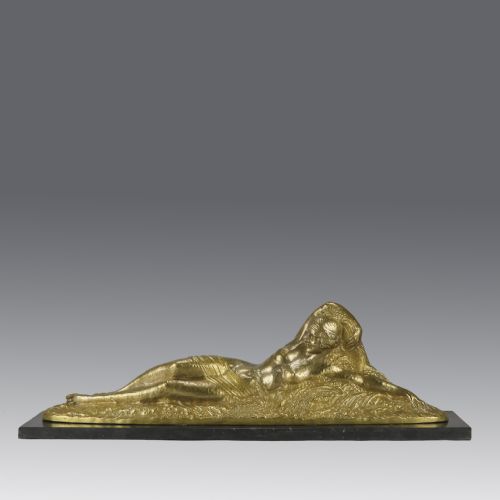


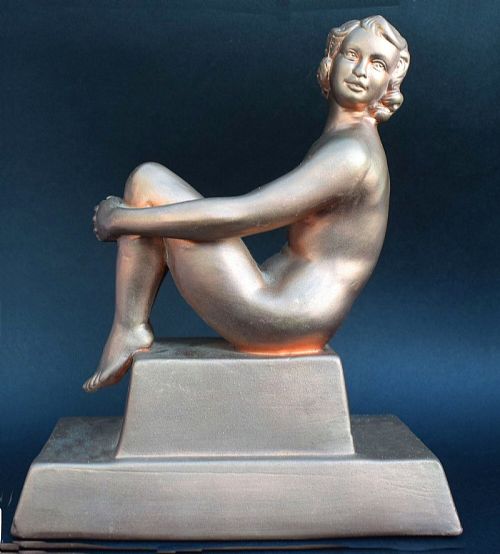

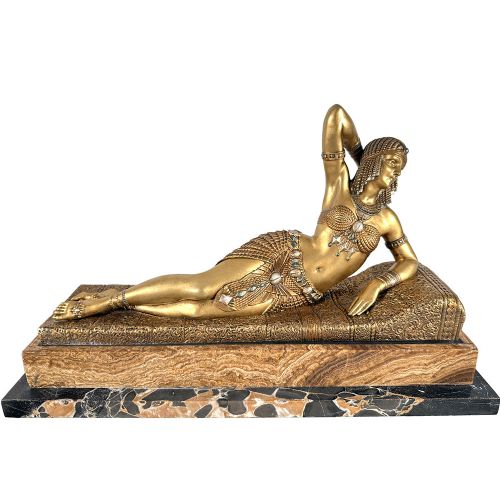


Bronze Female Nude Figure
When you seek a bronze female nude figure, you are viewing sculptural works spanning from the nineteenth century into the art deco period.
Bronze Female Nude Figure
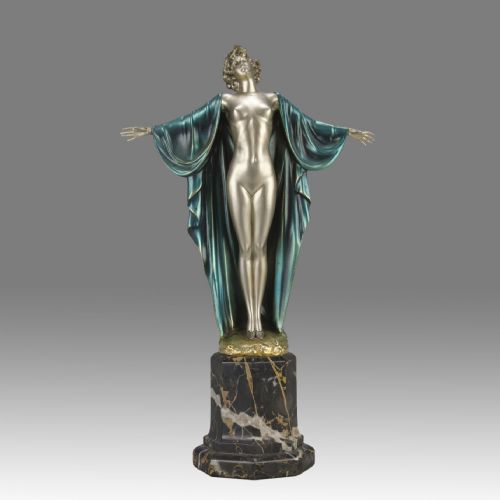
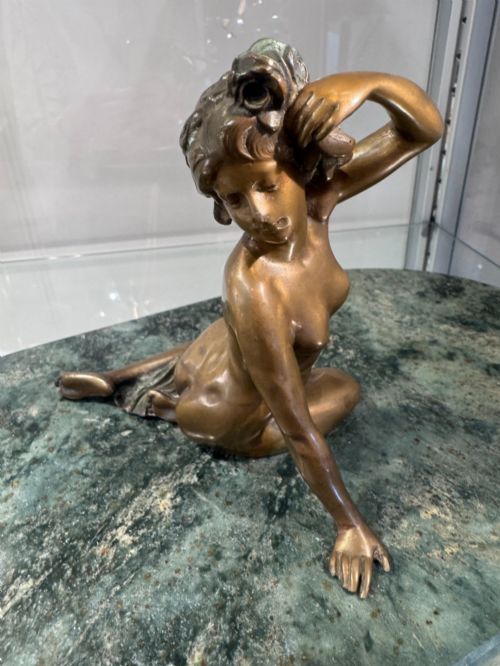
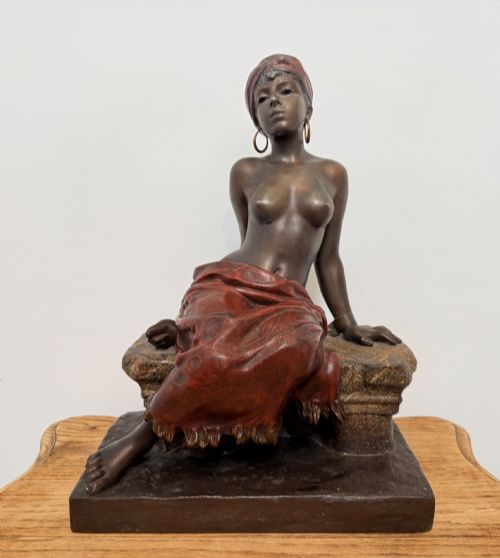
A bronze female nude figure captures the human form through sculptures, figurines, and table lamps originating from French, Austrian, and English workshops. These works span periods from the late nineteenth century through the 1930s, encompassing classical revival, art nouveau, and art deco movements.
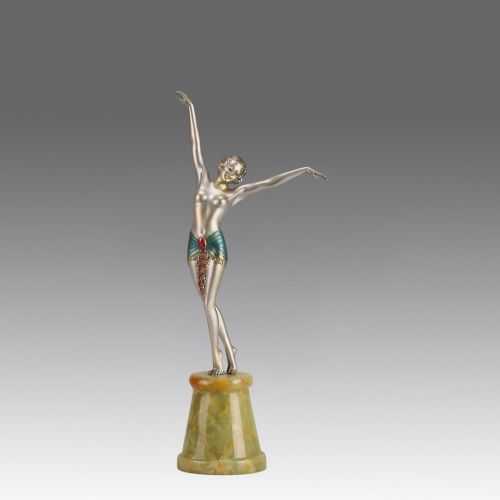
You will frequently encounter dancers, seated maidens, and mythological subjects mounted on marble or onyx bases. The selection ranges from grand classical reductions to stylised modernist figures created by prominent European artists.
Materials and construction
Foundry work relies primarily on bronze, alongside patinated metal and spelter, often enhanced with cold-painted polychrome details, silvering, or gilding. Many pieces incorporate enamel or sit directly upon heavy marble and onyxplinths.
Casting techniques dictate the surface finish, allowing artists to achieve smooth patination, intricate cold-painted hues, or bright metallic contrasts. Bases are selected to support the weight and posture of the standing or reclining figures.
Listings feature bronze, silvered bronze, patinated metal, and spelter paired with marble and onyx bases.
Distinguishing quality
The integrity of the mount, whether a fitted marble base or an integrated onyx plinth, distinguishes workshop execution. Superior examples retain original cold-painted surfaces or rich patinas without obscuring the underlying metalwork.
Ferdinand Barbedienne·Ferdinand Preiss·Josef Lorenzl·Demetre Chiparus·Franz Bergman
The Bronze Female Nude Figure Glossary
- Patinated bronze
- Bronze treated with chemical solutions to produce a distinct surface colour or tone. This finish protects the metal and defines the sculptural contours.
- Cold-painted bronze
- Pigment applied to metal after casting without subsequent firing. This technique is typical of Austrian foundry production.
- Spelter
- A zinc alloy utilised as a substitute for bronze in decorative figures. It accepts patination and paint while remaining lighter than bronze.
- Grand Tour
- The nineteenth-century practice of collecting classical antiquities and reductions of famous sculptures. These pieces served as travel souvenirs for affluent collectors.
- Lost-wax casting
- A metalcasting method where a wax model is melted from the mould to create a hollow bronze cast. This process permits intricate undercut details.
Bronze Female Nude Figure: Frequently Asked Questions
What periods do these figures represent?
The available works primarily date from the nineteenth century through the 1930s. They encompass nineteenth-century classical styles, art nouveau pieces, and art deco designs.
Each era brings distinct aesthetic priorities, moving from academic classical studies towards stylised modernist geometry and motion.
How were these bronzes mounted?
Many figures are secured directly to bases constructed from marble or onyx. These heavy stone plinths provide both physical stability and a contrasting visual frame for the metalwork.
Some pieces integrate the base into the narrative of the sculpture, such as reclining figures positioned atop polished stone slabs.
How do I care for a bronze figure?
Maintain the surface by gently dusting with a soft, dry cloth to prevent particulate accumulation. Avoid chemical cleaners or excessive handling that might strip the original patina.
Keep pieces away from direct sunlight and high humidity to protect both the metal patination and any underlying stone mounts.
What subjects are most common?
Dancers, mythological figures, and allegorical representations of time or nature appear frequently across the collection. Subjects range from classical deities like Venus to contemporary dancers captured mid-movement.
These varied motifs reflect the shifting artistic interests of European foundries from the 1880s onward.