




Bronze Enamel Dishes
These bronze enamel dishes are decorative metal and glass vessels from the nineteenth century, prized for rich colour and intricate patterns.
Bronze Enamel Dishes
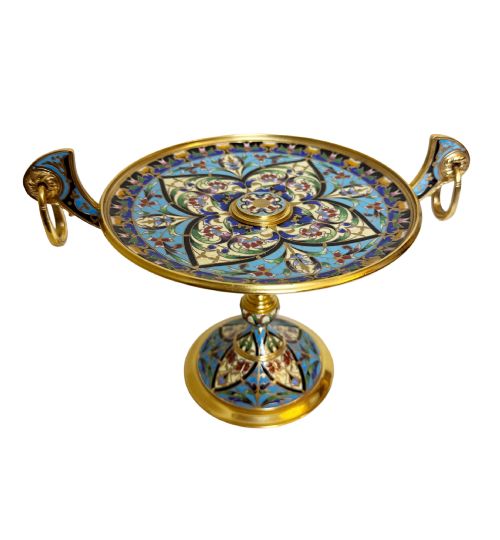
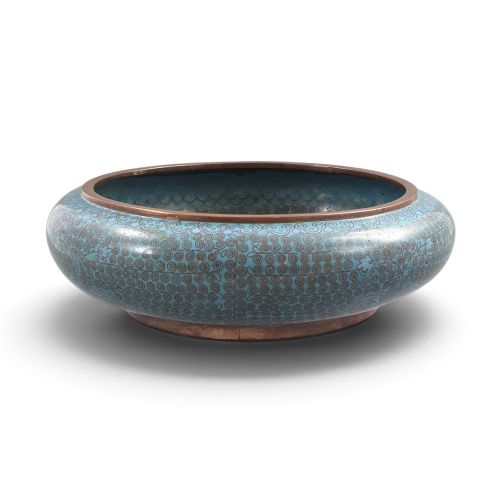
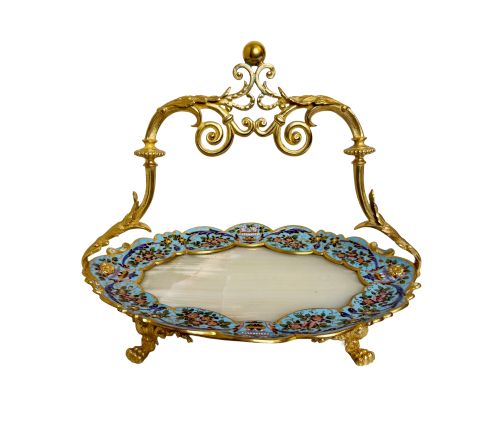
When you search for bronze enamel dishes, you encounter nineteenth-century decorative chargers, plates, bowls, centrepieces, and tazzas. These pieces range from large Japanese chargers measuring up to forty centimetres to smaller French ormolu trays and European tazzas.
The objects stem from distinct geographic traditions, including Japanese Meiji and Edo periods, Chinese Qing dynasty works, and French Rococo Revival or Belle Epoque creations. The selection balances Asian cloisonné masterpieces with European gilt bronze and porcelain mounts.
How they were made
Craftsmen built these items using bronze, brass, copper, and gilt bronze frameworks to support glass enamel designs. Techniques such as cloisonné and champlevé required soldering thin metal wires or carving cells directly into the metal body before filling them with coloured enamel pastes.
Once fired and polished, the metallic bases often received additional ornamentation including porcelain plaques, onyx inserts, or intricate ormolu mounts. Japanese workshops also utilised specialised pottery and porcelain cores beneath total cloisonné layers.
Bronze Enamel Dishes Retail Price Guide 2026
Typical asking prices for bronze enamel dishes among the pieces listed under this phrase on Sellingantiques today, from the lower quarter to the upper quarter. They describe what is for sale here now, not the wider market.
Materials recorded across the selection include cloisonne enamel, champleve enamel, gilt bronze, ormolu, copper, brass, porcelain, and onyx.
What varies in quality
Quality rests in the precision of the metalwork and the complexity of the enamel design. Masterpieces display finely delineated motifs like dragons, geese, chrysanthemums, and koi fish with minimal surface pitting and exceptional clarity in the coloured pastes.
Signatures by renowned makers elevate a piece, alongside the weight and richness of the gilt bronze mounts. Superior examples maintain crisp wirework and harmonious palettes that distinguish workshop masterworks from standard decorative output.
Kinkozan·Louis Pierre Malpass
The Bronze Enamel Dishes Glossary
- Cloisonne Enamel
- A technique where thin metal wires are soldered to a metal base to create compartments for enamel paste. These cells are then fired and polished smooth.
- Champleve Enamel
- A method involving troughs or cavities carved directly into a thick metal surface to hold the coloured enamel. The exposed metal outlines form part of the finished pattern.
- Ormolu
- Gilded bronze used widely in European decorative arts for mounts and frames. It provides a bright gold finish against contrasting enamel panels.
- Charger
- A large ornamental plate or dish intended for display rather than dining. They often feature elaborate pictorial scenes or symmetrical motifs.
- Tazza
- A shallow bowl or cup elevated on a stem and foot. These pedestal vessels function as centrepieces or decorative display pieces.
Bronze Enamel Dishes: Frequently Asked Questions
What are bronze enamel dishes used for?
These items serve primarily as decorative art for tabletops, sideboards, and wall display. Nineteenth-century households utilised large chargers and centrepiece trays to showcase wealth, artistic taste, and exotic interior aesthetics.
Today, collectors appreciate them as standalone focal points in a room. Their vibrant enamel surfaces bring colour and historic craftsmanship to traditional and contemporary interior settings alike.
How do I tell Japanese and French pieces apart?
Japanese examples from the Meiji and Edo periods typically employ copper or brass bodies with wirework cloisonné depicting natural motifs like birds, flowers, and dragons. They often bear artist signatures on the reverse or base.
French pieces from the Belle Epoque and Rococo Revival generally feature cast gilt bronze or ormolu mounts combined with champlevé enamel or porcelain plaques. The aesthetic leans toward European classical symmetry and architectural revival styles.
What is the difference between a charger and a tazza?
A charger is a large, flat or gently sloping decorative plate designed to lie horizontally on a surface or hang on a wall. They provide a broad canvas for complex pictorial enamel work.
A tazza is an elevated pedestal vessel featuring a shallow bowl raised on a central stem and foot. This three-dimensional form places the enamel decoration at a distinct height above the furniture.
How should I care for historic enamel dishes?
Keep these items out of direct sunlight to prevent any fading in the coloured glass enamels. Dust them gently with a soft, dry cloth without applying commercial cleaning liquids or abrasive polishes to the metal.
Handle pieces by their solid bases rather than fragile rims or applied mounts. Stable indoor humidity levels protect both the metal foundations and the glass pastes from stress.