



Bronze Decorative Mantel Urns
Bronze decorative mantel urns bring classical presence to a room, combining cast metal with marble, porcelain and enamel.
Bronze Decorative Mantel Urns
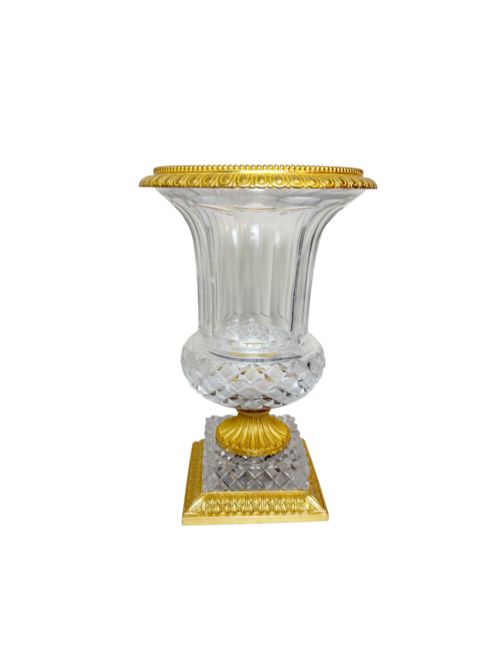
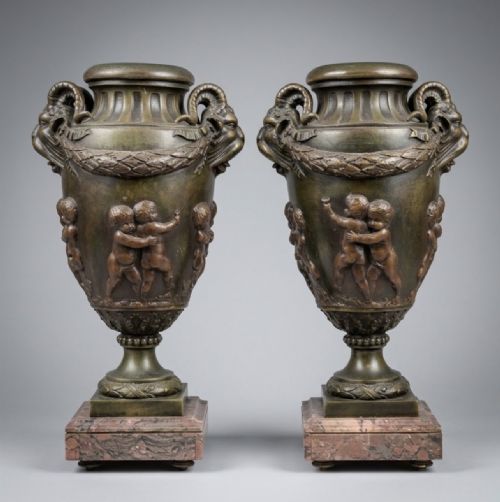
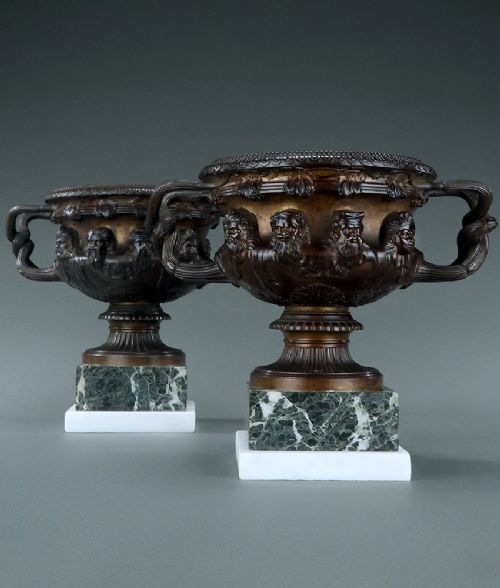
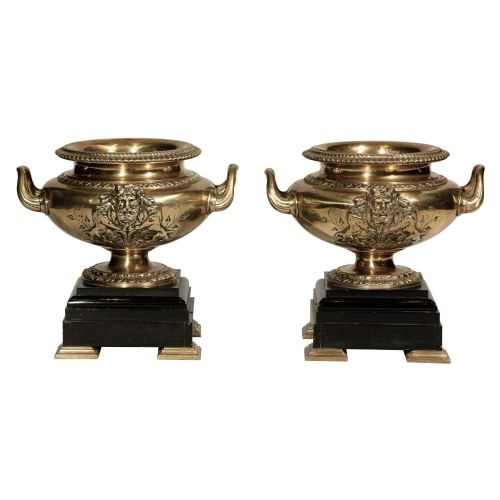
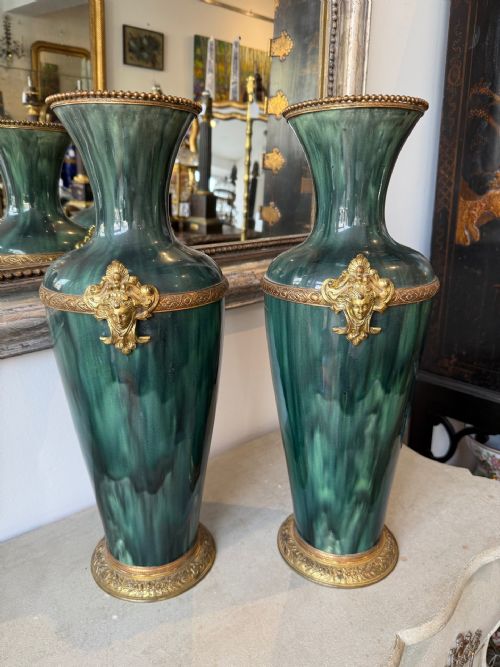
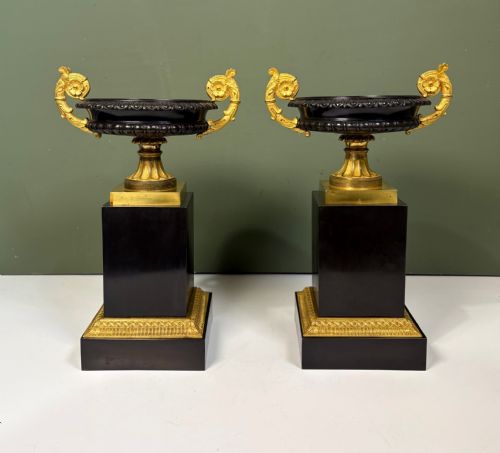
Bronze decorative mantel urns encompass ornamental vessels, campana urns, cassolettes and ewers designed for display on chimneypieces and consoles. The examples seen here belong largely to the nineteenth century, drawing heavily on French Empire, Neo-classical and Louis XVI revival styles.
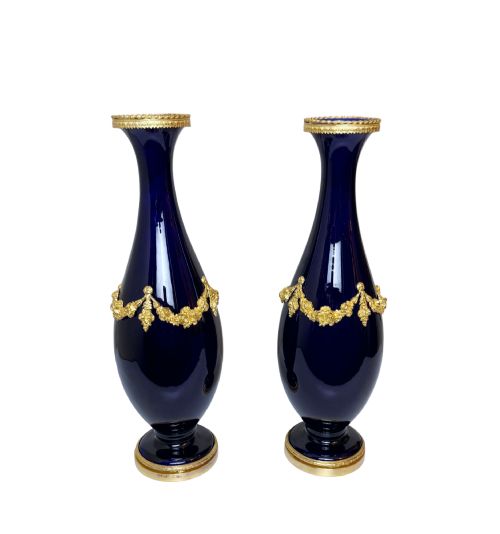
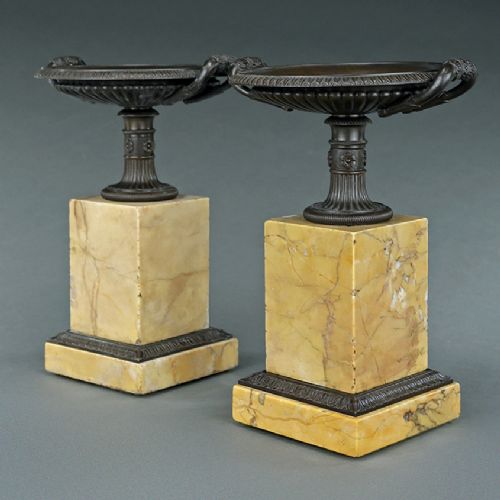
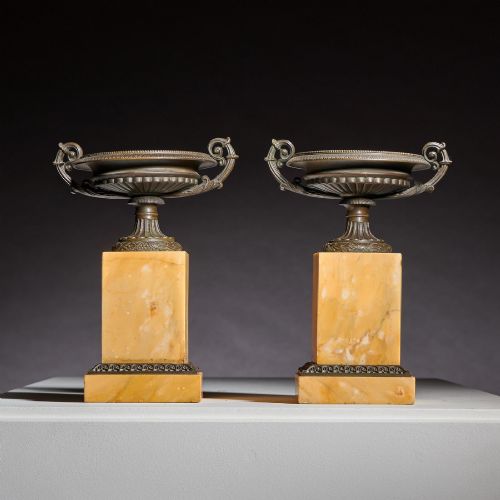
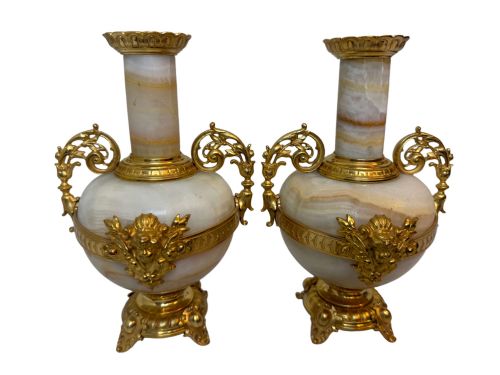
Makers frequently combined patinated or gilt bronze with white marble, Siena marble, onyx and porcelain bodies. Many of these decorative objects reflect the Grand Tour tradition, translating classical antiquity into refined household ornaments.
Pairs dominate the selection, intended to balance either end of a mantelpiece or anchor a garniture set alongside clocks and candelabra.
How they were made
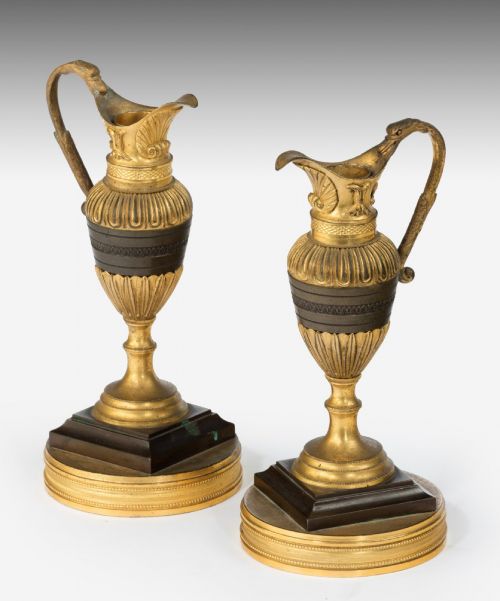
Foundries cast bronze and spelter using traditional methods, frequently applying fire gilding or ormolu to highlight surface details. Artisans then chased the metalwork by hand to sharpen the definition of foliage, masks and classical motifs.
stonemasons turned bases and bodies from blocks of marble, onyx and alabaster, fitting them precisely to the metal mounts. Porcelain components, such as Sevres-style bodies, were glazed and painted before being integrated into the bronze framing.
Bronze Decorative Mantel Urns Retail Price Guide 2026
Typical asking prices for bronze decorative mantel urns among the pieces listed under this phrase on Sellingantiques today, from the lower quarter to the upper quarter. They describe what is for sale here now, not the wider market.
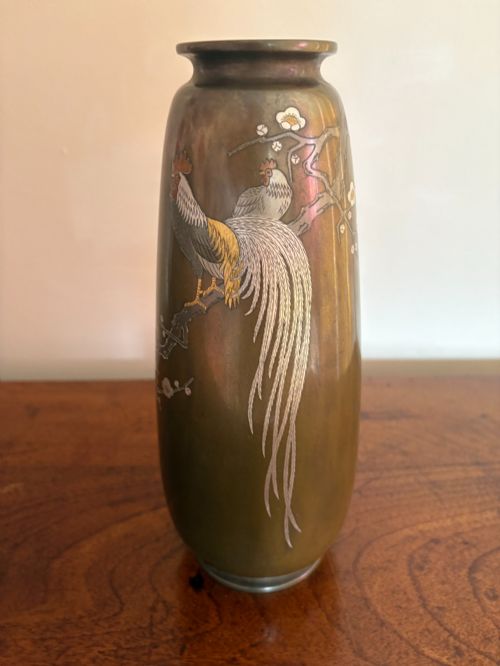
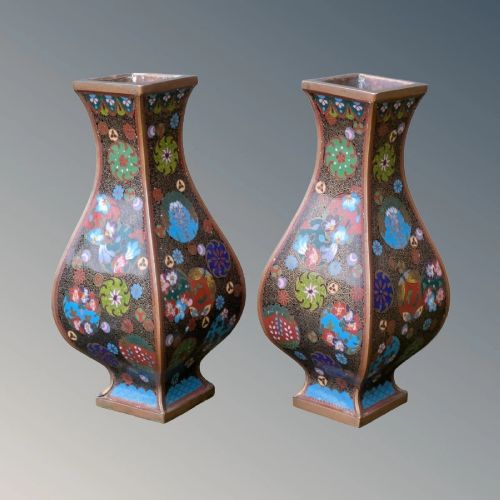
Listings feature nineteenth-century pieces spanning Victorian, Regency and Meiji periods, combining gilt bronze, porcelain and marble.
What varies in quality
The crispness of the bronze casting and the depth of the subsequent hand-chasing separate superior examples from routine production. Sharp relief in decorative mounts and refined detailing on figures indicate skilled workmanship.
The selection of materials dictates overall grade, with dense coloured marbles, heavy fire-gilded ormolu and fine porcelain bodies representing the higher tiers of nineteenth-century manufacture.
KANASAWA·Clodion
The Bronze Decorative Mantel Urns Glossary
- Ormolu
- Gilded bronze, where finely ground gold is amalgamated with mercury and applied to the metal surface through heat. This technique creates a rich, lasting metallic lustre characteristic of nineteenth-century French pieces.
- Cassolette
- A dual-purpose decorative vase featuring a reversible lid that transforms the vessel from an urn into a perfume burner or candle holder. These pieces frequently incorporate marble and gilt bronze mounts.
- Campana urn
- A bell-shaped classical vessel with flared rims and looped handles, popular in ancient Rome and revived during the neoclassical period for mantel decoration.
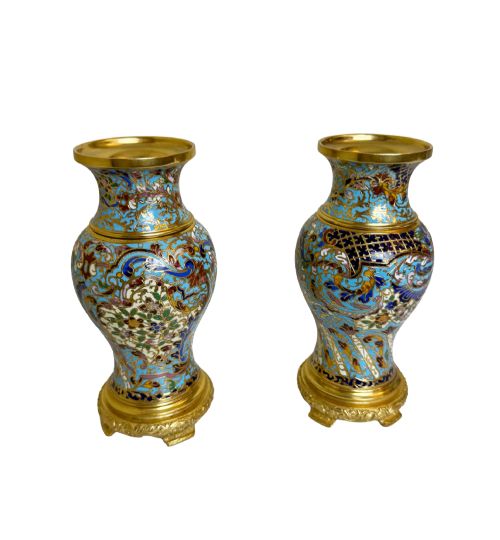
- Champleve
- An enamelling technique where troughs are dug into the bronze surface and filled with vitreous paste before firing. The resulting coloured patterns contrast sharply against the polished metal framework.
- Grand Tour
- A cultural journey undertaken by wealthy Europeans through France and Italy, leading to the acquisition of classical souvenirs such as bronze urns and marble tazzas.
Bronze Decorative Mantel Urns: Frequently Asked Questions
What is a bronze mantel urn?
A bronze mantel urn is an ornamental vessel cast in metal, frequently mounted on a stone or marble base, designed specifically for display on a fireplace mantel or console table.
These pieces served purely decorative roles in nineteenth-century interiors, often forming symmetrical pairs or acting as central components within larger garniture sets.
Where were these urns made?
The majority of these decorative vessels originate from nineteenth-century French workshops specialising in neoclassical and Empire revivals, though Italian, English and Japanese examples also appear.
French makers in Paris dominated the production of gilt bronze and ormolu mounts, supplying wealthy households across Europe.
How do I style a mantel urn?
Mantel urns work best when placed centrally on a chimneypiece or balanced as a matching pair at either end of a shelf.
They pair effectively with marble surfaces, mirrors and antique clocks, reflecting the formal arrangement typical of nineteenth-century domestic interiors.
How do I date a bronze urn?
Dating relies on examining the casting style, the quality of the ormolu finish and the type of stone used in the base. Nineteenth-century pieces frequently display specific revival motifs, such as Louis XVI swags or Bacchic masks, linked to the manufacturing trends of the period.