




Pair Bronze Vessels
Pair bronze vessels bring substantial weight and dark patination to a room, offering matching symmetry forged in metal across centuries.
Pair Bronze Vessels
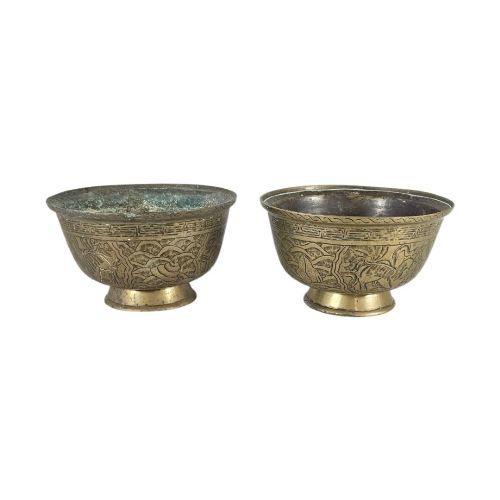
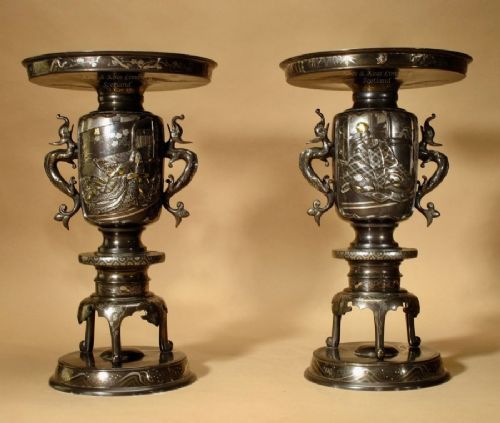
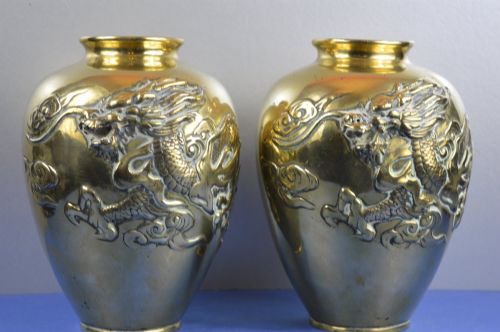
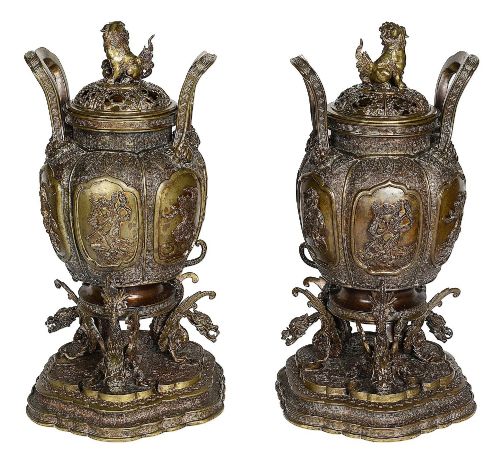
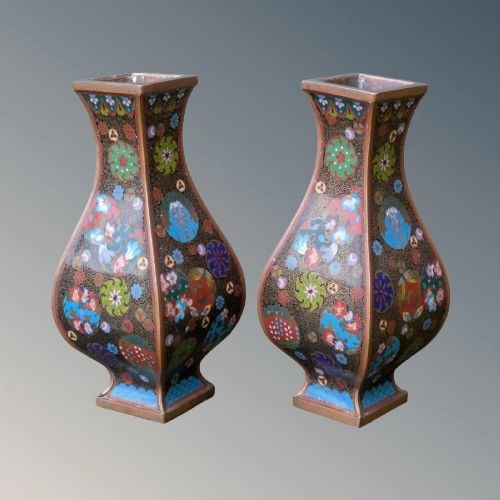
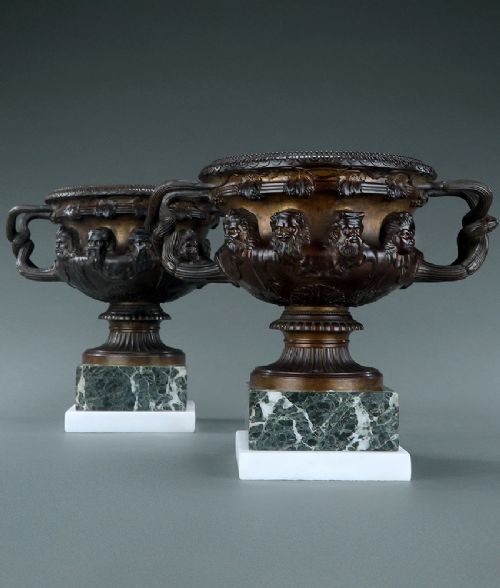
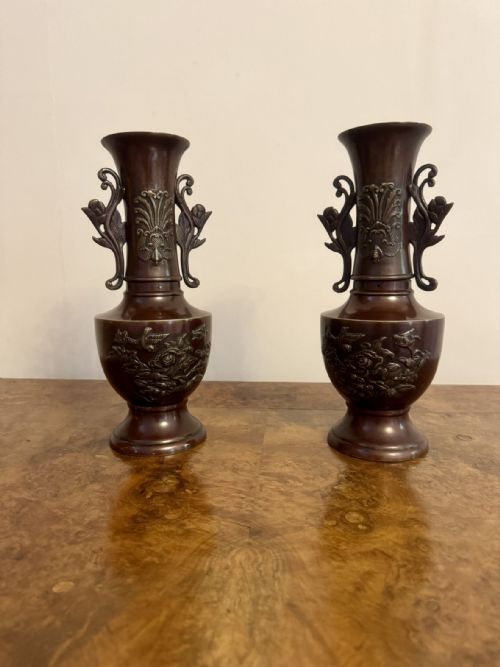
A search for pair bronze vessels uncovers matching pairs of heavy metal containers designed for display, function, or ritual use. These objects span periods from the nineteenth century into the early twentieth, originating from diverse cultural traditions including Japanese Meiji workshops, Chinese Qing dynasties, and European Grand Tour itineraries.
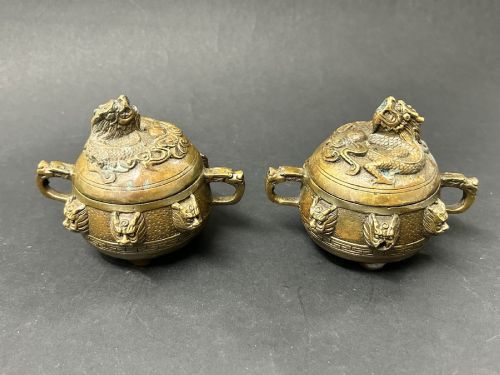
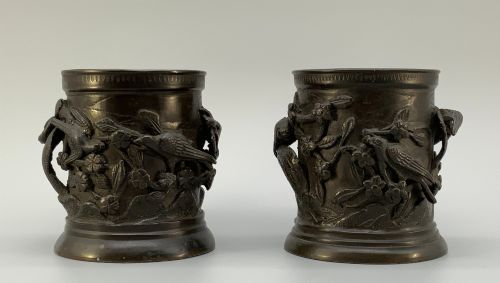
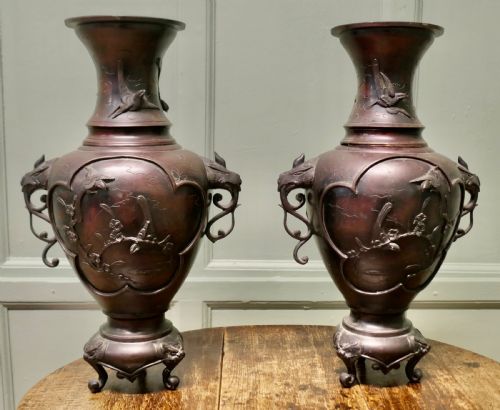
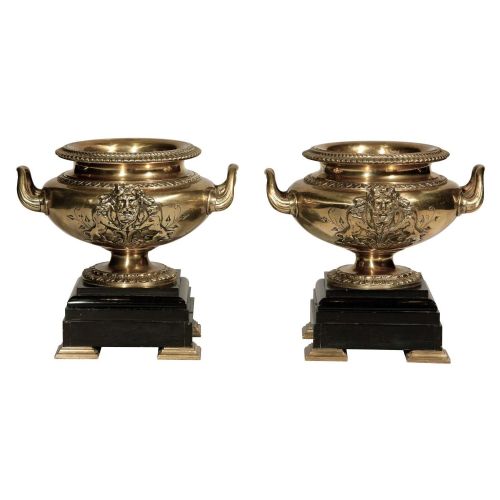
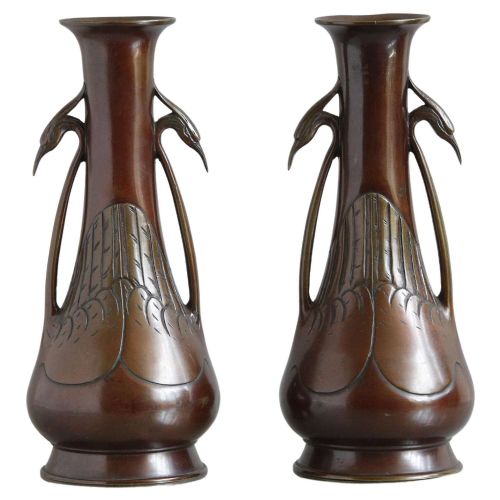
The most common forms encountered on this page are vases, urns, and jardinieres, alongside incense burners, ewers, and goblets. Buyers frequently find pieces decorated with birds, blossoms, dragons, and floral motifs, standing either alone or mounted upon marble bases.
Materials and construction
The pieces listed on this page rely primarily upon bronze, often enhanced through patination, gilt applications, or ormolu mounts. Makers also utilised brass, copper, and enamel details, alongside mixed metal techniques that introduced contrasting tones to the surfaces.
Casting methods produced forms ranging from slender baluster urns to massive garden vessels and delicate twin-handled vases. Surface ornamentation frequently incorporated raised relief work, inlaid details, and applied figural handles such as birds and egrets.
Listings feature periods spanning from the Victorian era and the 1860s through to the 1930s, alongside Qing dynasty and Meiji period origins.
Judging the range
Quality in these items rests upon the crispness of the casting and the sensitivity of the surface detail. Pieces showing sharp relief work, deliberate patination, and well-executed mixed metal integration stand apart from simpler production.
Proportion and weight also dictate distinction, with heavier items and balanced decorative schemes demonstrating superior workmanship. The integration of maker marks or specialised elements like marble plinths elevates individual pairs within the broader range.
The Pair Bronze Vessels Glossary
- Patinated bronze
- Bronze that has been chemically treated to alter its surface colour, creating darker or richer tones. This process protects the underlying metal while enhancing visual depth.
- Meiji period
- The era in Japanese history spanning from 1868 to 1912, known for highly detailed metalwork and bronze production. Pieces from this time often feature naturalistic motifs like birds and blossoms.
- Grand Tour
- A nineteenth-century cultural journey through Europe undertaken by wealthy individuals, collecting classical antiquities and souvenirs. Items from this context often reference ancient Roman or Italian forms.
- Ormolu
- Gilt bronze ornamentation applied to furniture, vessels, or bases during the eighteenth and nineteenth centuries. The technique involves fusing a gold-mercury amalgam to a bronze base.
- Censer
- A vessel designed for burning incense, frequently featuring pierced lids and ritual tripod or handled forms. These objects appear in both Chinese and Japanese traditions.
Pair Bronze Vessels: Frequently Asked Questions
How do I clean pair bronze vessels?
Dust the surfaces gently with a soft, dry cloth to prevent accumulation without disturbing the historic patination. Avoid chemical polishes or water, which can strip away aged finishes and damage the metal.
Maintain stable indoor humidity levels to protect any enamel or gilt details present on the pieces. Professional conservation advice should be sought before attempting any deeper cleaning.
Where were these metal vessels made?
The pieces originate from various international workshops, predominantly in Japan during the Meiji period and China during the Qing dynasty. European makers also contributed significant numbers, particularly through French or Italian Grand Tour production.
Regional techniques and stylistic motifs help distinguish between Asian casting traditions and European neoclassical interpretations.
What is patinated bronze?
Patinated bronze refers to metal that has developed an aged surface finish either naturally over time or through intentional chemical treatments. Dealers and artisans use these treatments to darken or colour the exterior.
This finish protects the bronze underneath while adding tonal variation that highlights the cast details and relief work.
Can I use these urns for fresh flowers?
Many historical vessels, particularly jardinieres and certain vases, were built to hold water or plants, but metal interiors can still suffer from corrosion. Using a discreet inner container prevents moisture damage to the antique bronze.
Displaying them dry as standalone decorative art remains the safest approach for preserving sensitive patinas and mixed metal inlays.