


Bronze Candlestick Lamps
These bronze candlestick lamps bring weight, history and a warm glow to a room.
Bronze Candlestick Lamps
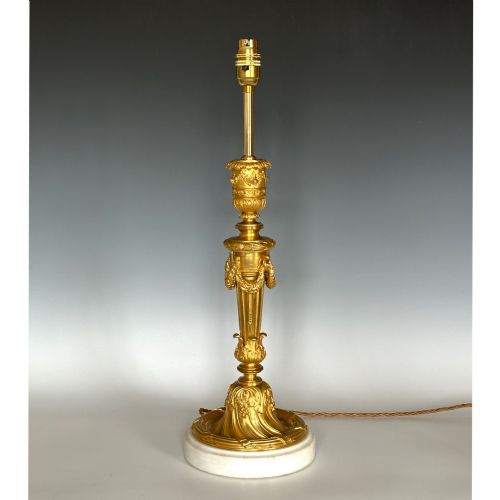
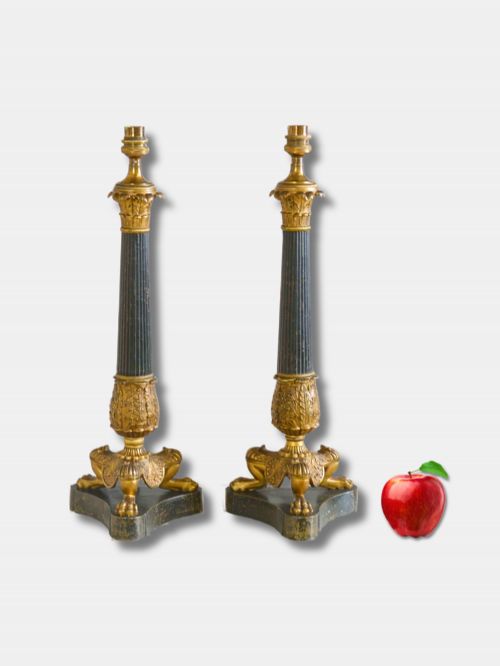
When you search for bronze candlestick lamps, you encounter lighting solutions derived from earlier lighting fixtures, often adapted from traditional candlesticks and candelabra. The selection includes French Empire, Regency and Victorian examples cast in bronze, brass and ormolu.
You meet pairs and single pieces, ranging from column lamps with lions paw feet to bouillotte adjustable desk lamps and multi-branch candelabra. Many items trace their origins to French workshops, reflecting neoclassical and Rococo Revival styles.
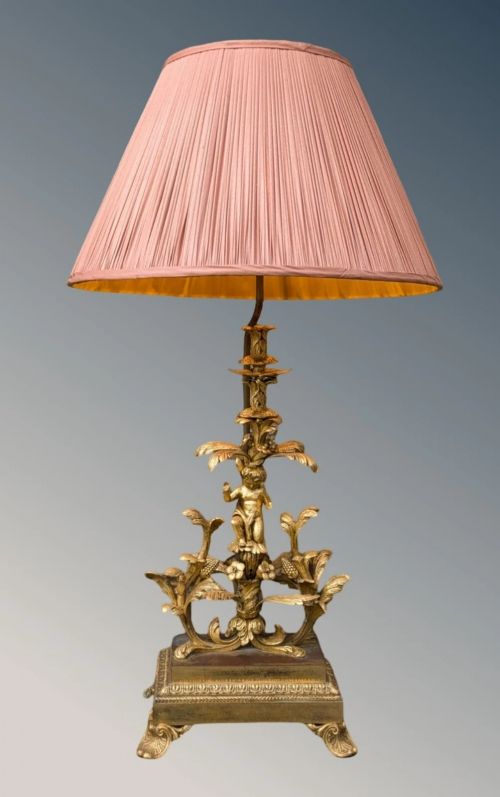
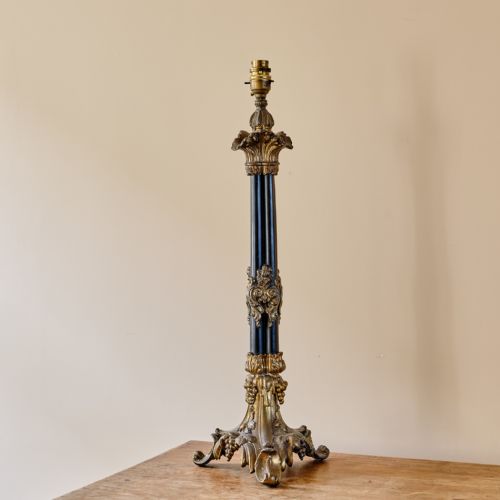
The objects combine functional illumination with classical ornamentation, utilising marble bases, blue glass bodies and fabric shades. These pieces function as table lamps, lamp bases and standard lamps within domestic interiors.
Materials and construction methods
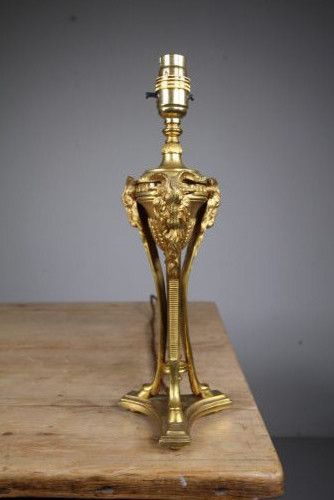
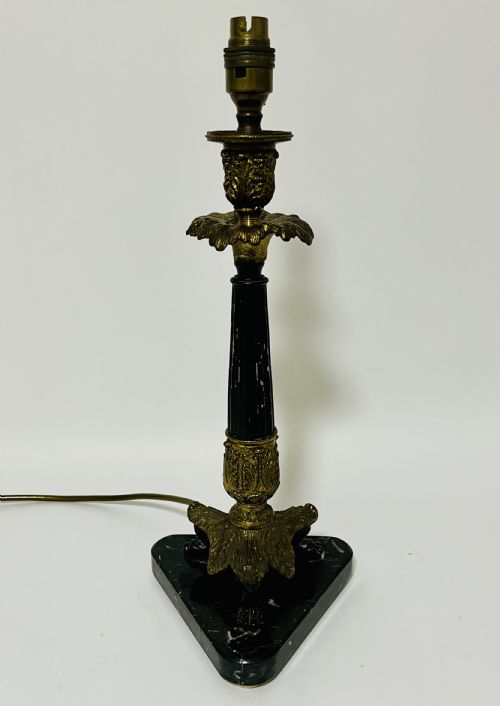
The construction relies on cast bronze, gilt bronze and ormolu, shaped into columns, rams heads and figural components. Craftsmen employed traditional foundry techniques to produce detailed mounts and bases, often incorporating white or dark marble elements.
Many items started life as altar candlesticks, bouillotte lamps or candelabra before later conversion to electrical table lamps. Metal components receive patination or gilding, while associated elements include silk and fabric shades or painted tole metal components.
Merman twin-arm candelabra bring mythical sea creatures into the lighting arrangement, quietly holding up lamps instead of candles.
Assessing quality in period lighting
Quality rests upon the crispness of the casting and the depth of the original gilding or patination. Finer examples display sharp chasing on the ormolu mounts and substantial weight in the bronze body.
The integrity of the conversion from candle to electricity and the preservation of original components, such as marble plinths and glass elements, dictate the standing of an individual piece.
Jean-Démosthène Dugourc
The Bronze Candlestick Lamps Glossary
- Ormolu
- Gilded bronze, where a layer of gold amalgam is applied to a bronze base. This technique creates a rich golden finish seen on many French lighting pieces.
- Patinated bronze
- Bronze that has been chemically treated to alter its surface colour. This process produces dark brown, green or near-black tones on the metal.
- Bouillotte lamp
- An adjustable desk lamp featuring a central shaft and a metal shade. Originally designed for the card game bouillotte, these pieces direct light downwards.
- Candelabra
- A branched lighting fixture holding multiple candles or lamp bulbs. Examples often feature twin arms or multiple branches.
- Altar candlestick
- A tall candlestick intended for church use, frequently converted into a standard or table lamp in later periods.
Bronze Candlestick Lamps: Frequently Asked Questions
How do I wire a converted candlestick lamp?
Conversion work usually involves running a cord through the existing central channel without damaging the historical metal structure. Professional electricians ensure internal wiring meets safety standards while preserving the original bronze or ormolu body.
Many pieces arrive with prior conversions completed decades ago. Inspecting the cord and lampholder ensures safe integration into modern domestic electrical circuits.
Where should I place a bronze candlestick lamp?
These lamps suit side tables, desks and mantelpieces where their height and weight anchor the surrounding decor. Their classical columns and patinated surfaces complement traditional libraries and drawing rooms.
Because many examples originate as pairs, they work effectively on matching sideboards or flanking a mirror. Single pieces serve as focused desk or accent lighting.
How do I clean patinated bronze and ormolu?
Dusting with a dry, soft cloth prevents the accumulation of grime on the detailed casting. Avoid abrasive cleaners and chemical polishes that strip away the patination or thin layer of gilding.
Gentle care preserves the surface finish achieved over centuries. Professional conservation is recommended for deep cleaning or restoration of damaged gilding.
How do I distinguish Regency from Victorian examples?
Regency pieces, dating from the early nineteenth century, lean heavily on strict neoclassical lines, incorporating Roman motifs, columns and lions paw feet. They display restrained elegance and precise casting. <Br><br> Victorian examples often embrace revival styles, including Rococo Revival and Italianate-Baroque, with heavier ornamentation and varied material combinations like blue glass or marble. These later pieces reflect the eclectic tastes of the later nineteenth century.