



British Watercolour Scene
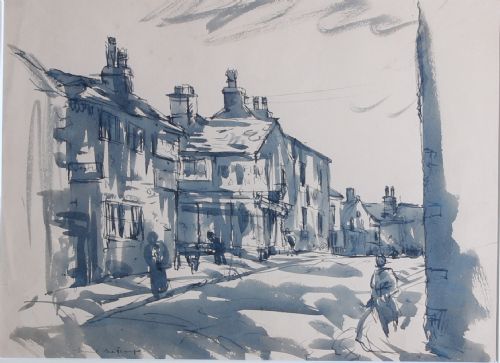
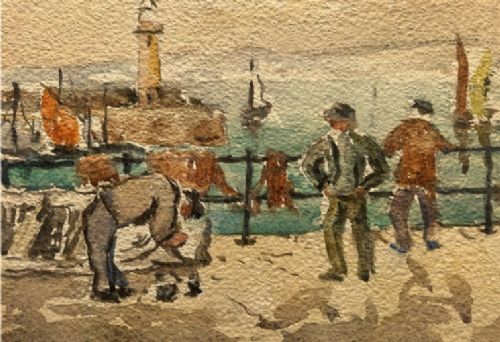
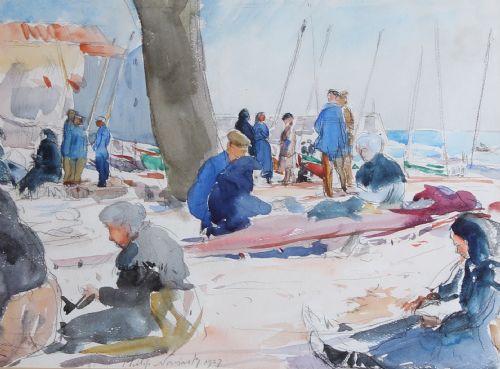
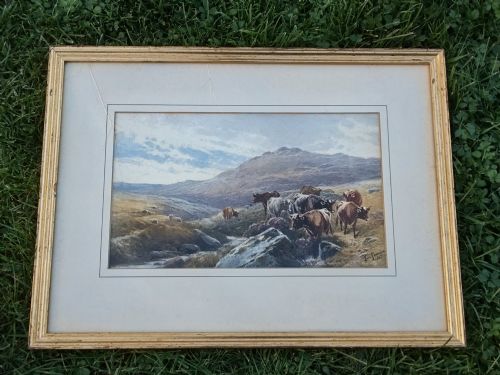
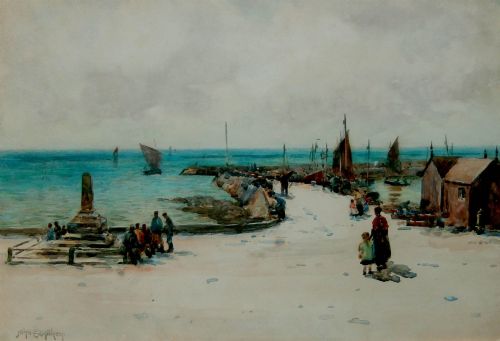
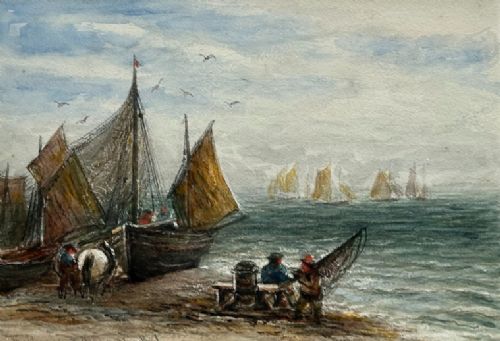
A British watercolour scene captures nineteenth and twentieth-century landscapes, coastal harbours and townscapes on paper.
British Watercolour Scene
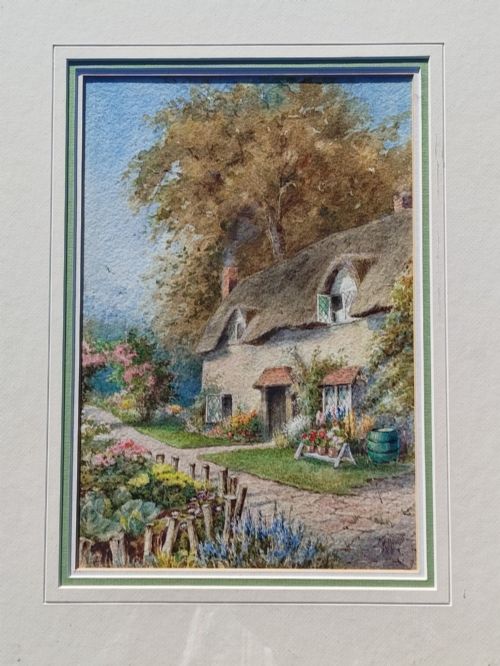
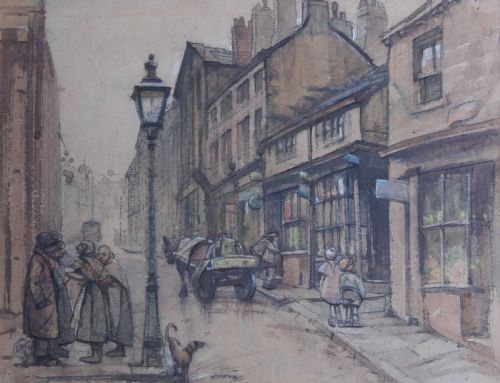
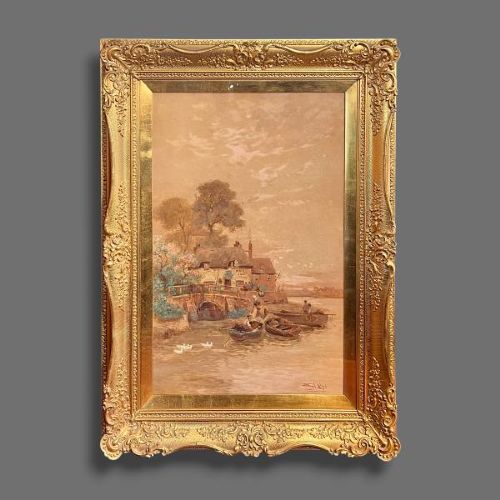
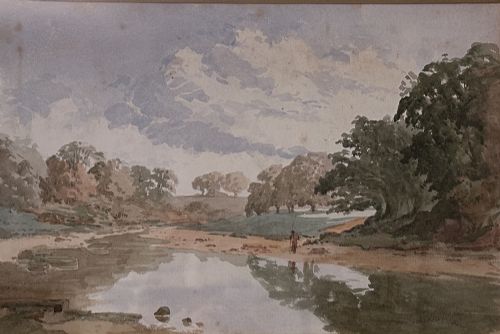
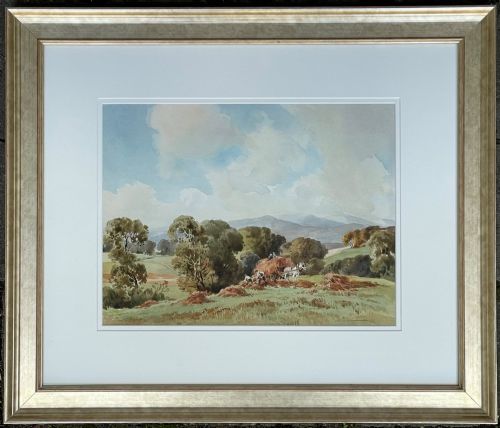
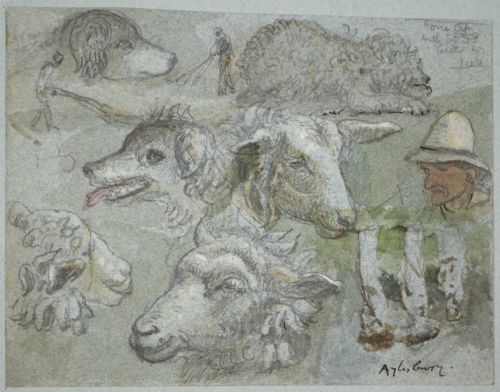
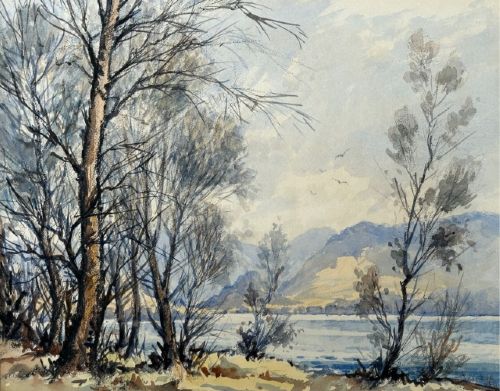
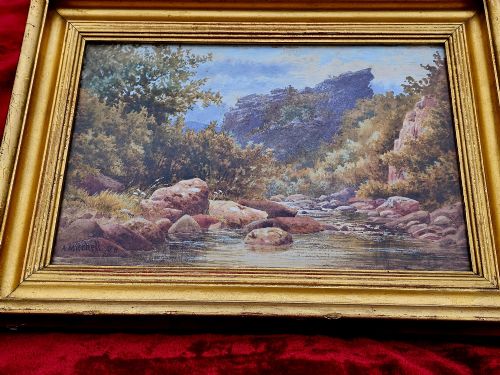
A british watercolour scene represents framed paintings executed on paper using pigment and ink, originating primarily from the Victorian and Edwardian periods up through the nineteen-thirties. Buyers encounter coastal views, rural farming landscapes, and townscapes depicting villages and rivers across Britain.
The works span styles from British Impressionism and Victorian Fine Art to English Country Pastoral and realism. Common subjects range from agricultural harvest fields and fishing boats in harbour to street scenes and domestic cottages.
How They Were Made
These works utilise watercolour pigment and ink applied directly onto paper supports, often framed behind glass within wooden surrounds. Certain examples incorporate touches of gold leaf to highlight details within the composition.
Artists employed fluid washes of water-based pigment alongside precise ink linework to build depth, atmospheric light, and texture across the paper surface.
British Watercolour Scene Retail Price Guide 2026
Typical asking prices for british watercolour scene among the pieces listed under this phrase on Sellingantiques today, from the lower quarter to the upper quarter. They describe what is for sale here now, not the wider market.
The listings span periods from Victorian times through nineteen-sixty, featuring paper, watercolour pigment, ink, glass, wood, and gold leaf.
What Varies In Quality
Quality rests upon the artist's ability to command light and atmosphere across the paper, distinguishing accomplished practitioners from lesser hands. Works by Royal Academy exhibitors or listed historical painters display superior handling of tone and composition compared to anonymous or derivative pieces.
The strength and clarity of the pigment remaining on the paper determine the visual impact of the scene. Strong brushwork and distinct regional topographical detail elevate individual paintings within the wider range.
Thomas Rowden·Stuart Lloyd·James Orrock·Percy Lancaster·James Smetham·John McDougal·Robert Leslie Howey·Henry Silkstone Hopwood·Robert Thorne Waite·Hector Caffieri·George Oyston·Arthur Tucker·Charles James Lauder·Ernest Pile Bucknall
The British Watercolour Scene Glossary
- Watercolour
- A paint consisting of a pigment suspended in a water-based solution. It is applied in translucent washes onto paper to create luminous effects.
- Topography
- The detailed mapping or depiction of particular places and local scenery. In these works, it refers to recognisable towns, rivers, and regional landscapes.
- Impressionism
- A style of painting emphasising small, thin brush strokes and open composition. It focuses on accurate depiction of light in its changing qualities.
- Pastoral
- A genre portraying rural life and agricultural landscapes in a romanticised or idealised manner. These scenes typically feature farms, cottage gardens, and grazing livestock.
British Watercolour Scene: Frequently Asked Questions
What is a British watercolour scene?
A British watercolour scene is a painting on paper depicting landscapes, coastal harbours, and townscapes from the nineteenth and early twentieth centuries.
These artworks record regional views and rural life across Britain using water-based pigment and ink.
How should I hang these watercolours?
These works require framing behind glass to protect the paper surface from airborne moisture and dust.
Keep them away from direct sunlight to prevent the watercolour pigments from fading over time.
How do I identify the period?
Dating relies on stylistic clues, framing materials, and artist signatures recorded on the paper.
Victorian and Edwardian works often feature traditional pastoral or maritime subjects executed with fine brushwork.
Are these works original paintings?
The listings comprise original hand-painted watercolours and drawings rather than mass-produced prints.
Each piece shows individual brush marks and pigment application unique to the artist.