


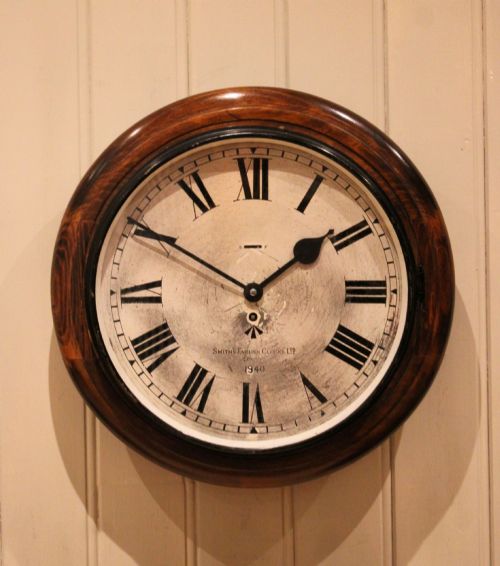


British Wall Clock
A british wall clock brings utility and purpose into a room, forged from the brass, mahogany and iron of railway stations, post offices and factories.
British Wall Clock
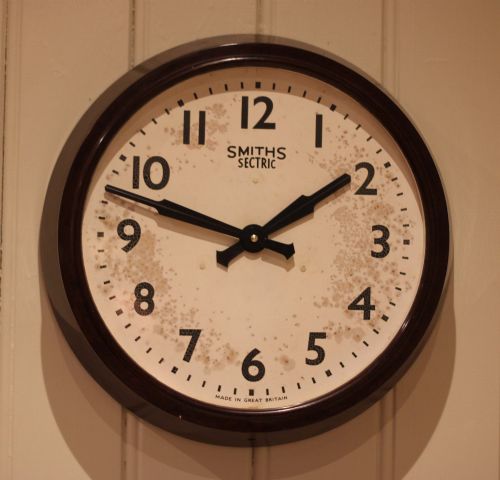
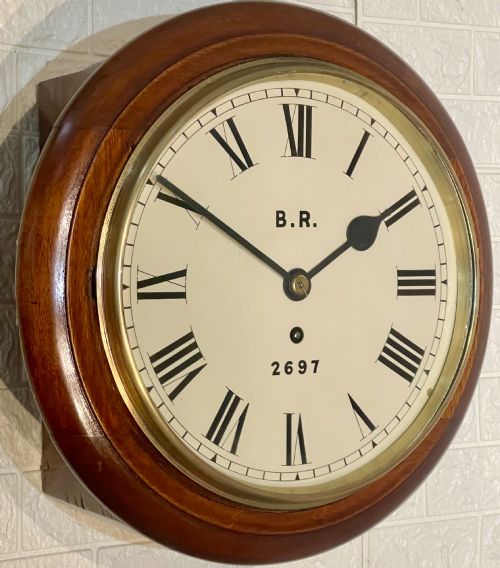
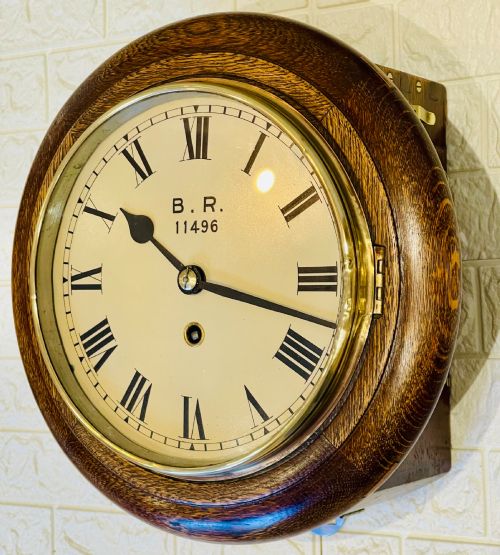
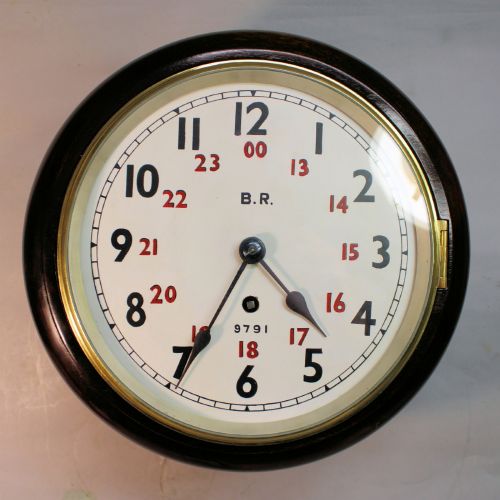
A british wall clock is a timepiece originally built for service in railway stations, telegraph offices, government departments and industrial workplaces. These pieces range from heavy fusee dial clocks housed in mahogany or oak cases to mid-century bakelite and metal utility issues.
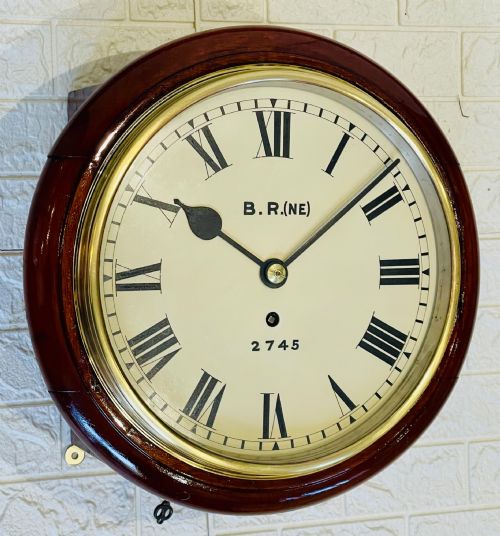
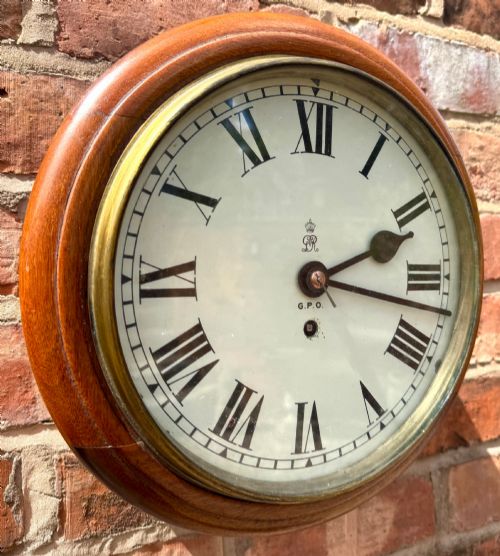
The most common examples encountered on this page are railway and post office fusee clocks, alongside factory and military timepieces dating from the Victorian era through the mid-twentieth century. Pieces originating from networks like the Great Western Railway or the General Post Office carry specific operational provenance.
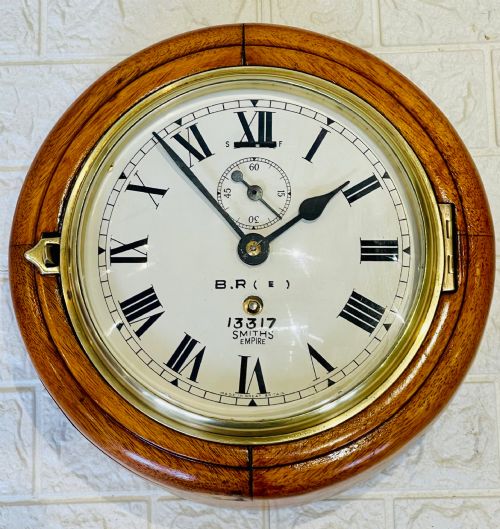
Beyond standard wall clocks, related items such as banjo clock barometers, engine room ships clocks and drop-dial wall clocks appear within these forms. Each type reflects the strict functional requirements of British institutions and transport systems.
Materials and construction
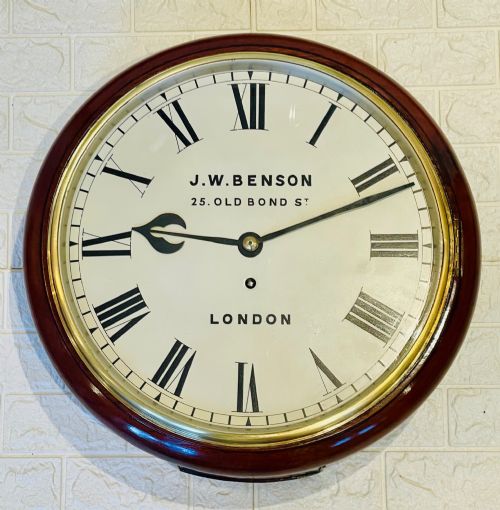
Cases are constructed from durable timbers such as mahogany, oak, beech and brass, or later utilitarian materials including bakelite and iron, designed to withstand heavy daily use in public spaces. Dial faces feature glass covers protecting painted wooden or metal chapters.
Movements rely upon traditional fusee mechanisms or eight-day mechanical systems to maintain consistent tension and accurate timekeeping over long periods. Cabinets often incorporate hinged side doors and secure bottom box knots for routine maintenance by station masters or technicians.
British Wall Clock Retail Price Guide 2026
Typical asking prices for british wall clock among the pieces listed under this phrase on Sellingantiques today, from the lower quarter to the upper quarter. They describe what is for sale here now, not the wider market.
A pork pie clock earns its nickname from the distinctive raised shape of its wooden case.
What separates the grades
Quality rests in the crispness of the original case carving, the preservation of painted dial markings and the historical integrity of the movement. Examples bearing maker signatures and verified station or regional stamps command greater attention from collectors.
The choice of housing timber and the retention of original brass bezels, locking keys and stamped case numbers distinguish standard utilitarian issues from superior workshop pieces.
John Walker·Smiths English Clocks Ltd·Camerer Cuss And Co·Armstrong of Manchester·Elliott GVR
The British Wall Clock Glossary
- Fusee
- A conical pulley used in clock movements to maintain even force on the gear train as the mainspring unwinds. This mechanism ensures steady timekeeping throughout the duration of the wind.
- Drop Dial
- A clock case featuring an extended lower wooden box beneath the circular dial, often housing a pendulum and allowing for a longer drop.
- Dial Clock
- A wall-mounted timepiece dominated by a large, clear face designed for public legibility in offices and waiting rooms.
- Bakelite
- An early synthetic plastic utilised for mid-century clock surrounds due to its resilience and smooth moulded finish.
- Signal Box Clock
- A robust timepiece issued specifically for railway signal boxes to govern train movements safely.
British Wall Clock: Frequently Asked Questions
How do I wind a fusee wall clock?
Open the side door or lift the glass bezel depending on the case design, then insert the winding key into the dial aperture. Turn gently clockwise until resistance is felt, avoiding over-winding.
Ensure the pendulum is hanging freely and properly seated on its suspension spring before setting the minute hand to the correct time.
Where were these clocks originally hung?
These timepieces were mounted on the walls of railway station ticket offices, platform halls, post office sorting rooms, military barracks and factory floors. They were positioned high for clear visibility by staff and the public.
Many bear stamps or numbers indicating their specific regional deployment, such as the Great Western Railway or the General Post Office.
How do I tell an 1880s clock from a 1950s one?
Victorian and late nineteenth-century examples typically feature solid mahogany or oak fusee cases with hand-painted wooden dials and heavy brass bezels. They reflect traditional cabinet-making standards.
Mid-century pieces from the 1940s and 1950s often utilise industrial metals, bakelite or plain beech, driven by wartime utility standards or post-war mass production.