
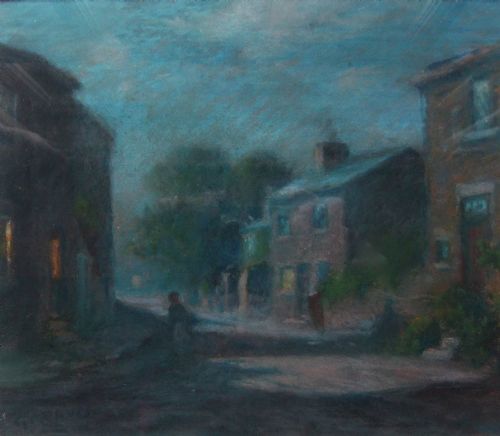


British Village Painting
A british village painting captures rural life, coastal harbours and country lanes across different periods and regional schools.
British Village Painting
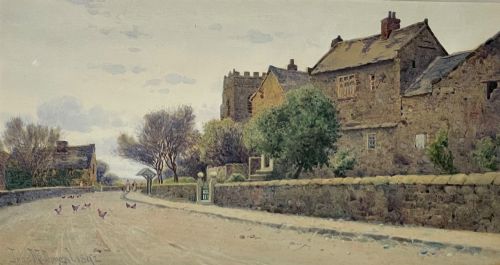
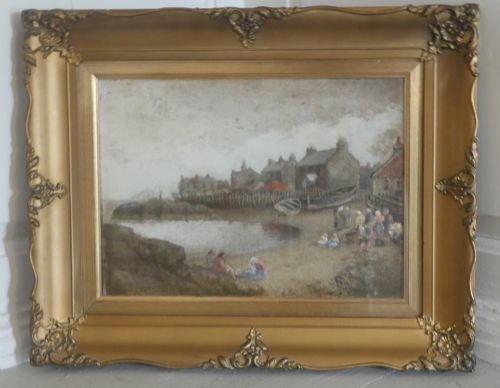
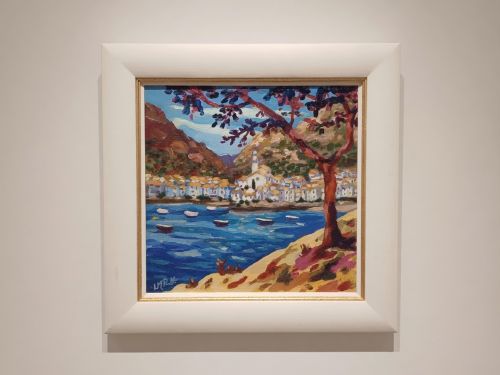
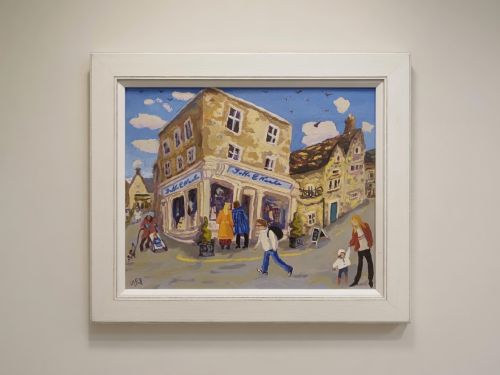
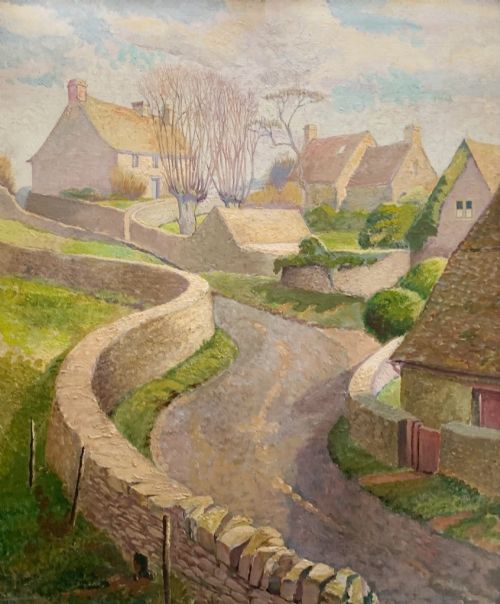
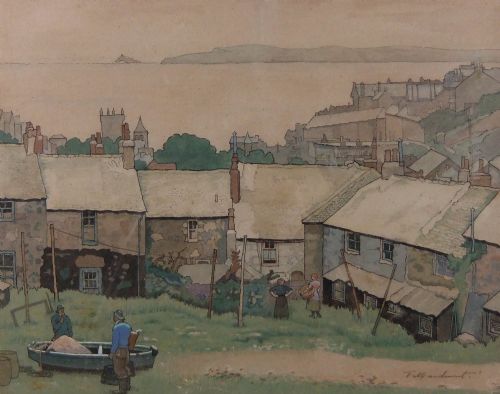
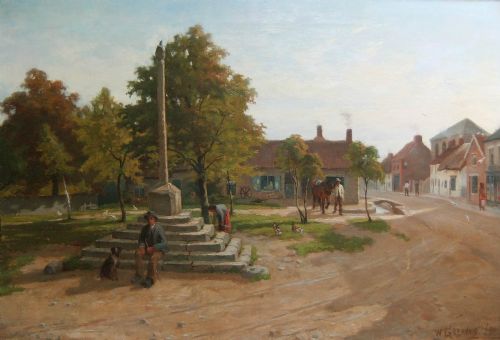
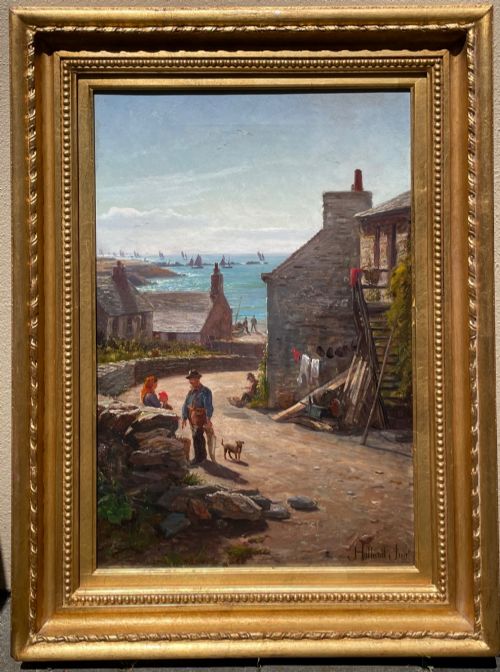
A british village painting typically depicts rural settlements, country streets, and coastal communities across England, Wales, and the Isle of Man. Buyers will find works ranging from nineteenth-century watercolours to mid-century modernist oils.
The selections on this page feature specific locations such as St Ives, Wensleydale, and Thameside villages. These pieces document local architecture, rural trades, and changing rural landscapes over successive decades.
Materials and execution
Artists worked primarily in watercolour pigment on paper or applied oil paint to canvas and wood panels. Pastels and chalks also appear among the rural landscape studies.
Framed works under glass protect delicate watercolours and pastel drawings from moisture and handling. Canvas and board supports allow richer impasto textures in oil-based compositions.
Materials span paper, canvas, wood panels, watercolour pigment, and oil paint across Victorian to mid-century periods.
Distinguishing quality in works
Quality rests upon the artist's handling of light, atmospheric perspective, and architectural detail within the composition. Stronger pieces convey a convincing sense of place and local character rather than relying on formulaic topographical sketches.
The preservation of the paper or canvas surface, along with the retention of original pigments without excessive fading, influences the visual impact of the painting.
John McDougal·Thomas Maidment·William Greaves·Fred Lawson·Arthur Tucker·Frederick Mayor·David Woodlock·Herbert Royle
The British Village Painting Glossary
- Watercolour pigment
- Colour suspended in a water-soluble binder, traditionally applied to paper to create transparent washes.
- Oil on canvas
- Pigment mixed with drying oil applied to a stretched woven fabric support, allowing rich blending and texture.
- Newlyn School
- An art colony based in Cornwall focusing on naturalistic plein air painting of coastal and rural subjects.
- St Ives School
- A group of artists associated with the Cornish fishing port, noted for developments in landscape and modernist painting.
British Village Painting: Frequently Asked Questions
What periods do these paintings cover?
The works span from the nineteenth century through the Edwardian era and into the mid-twentieth century. Many reflect regional artistic movements of their respective decades.
Individual artists often sign and date their watercolours and oils, helping to place them within specific historical periods.
Where were these village scenes painted?
Locations range from Yorkshire dales and Devon coastal parishes to Welsh valleys and Thameside settlements. Artists frequently recorded specific named streets, inns, and local landmarks.
Such topographical detail grounds the artwork in a recognisable British landscape of the past.
How should I hang and protect my painting?
Watercolours require placement away from direct sunlight to prevent fading of the delicate pigments on paper. Glazed frames protect works from dust and atmospheric moisture.
Oil paintings on canvas tolerate ambient indoor light better but benefit from stable humidity levels.
How do I identify a regional art school?
Regional groupings like the Newlyn or St Ives schools share specific palettes and plein air techniques. Their subject matter often centres on coastal harbours and fishing communities.
Signatures, exhibition labels, and stylistic traits help connect an unsigned canvas to a particular group or circle.