


British Seascape Oil
A british seascape oil captures the shifting light and temperamental waters of the coast through rich brushwork.
British Seascape Oil
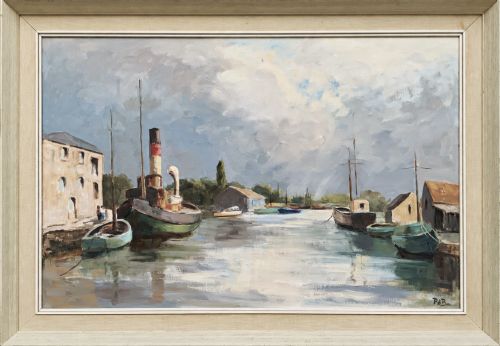
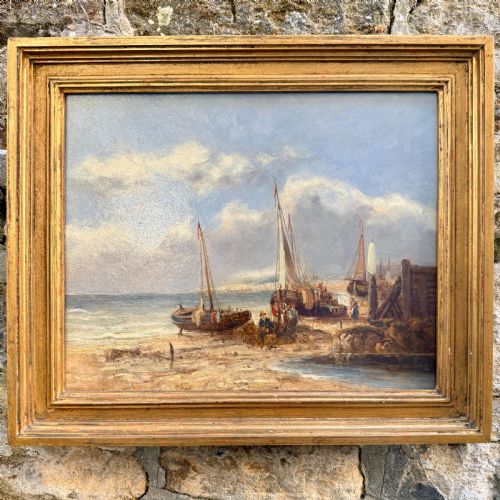
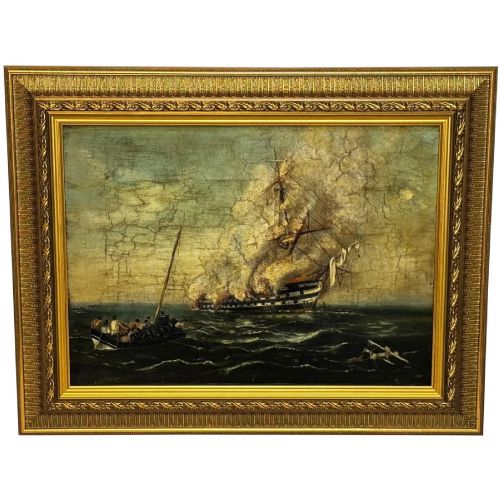
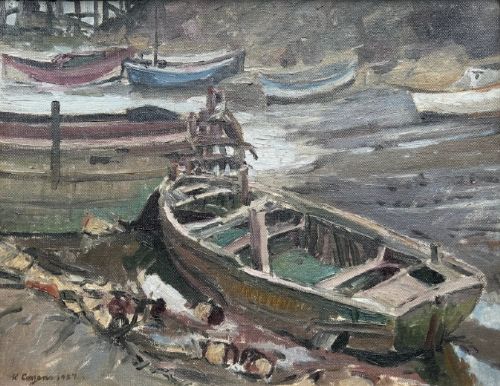
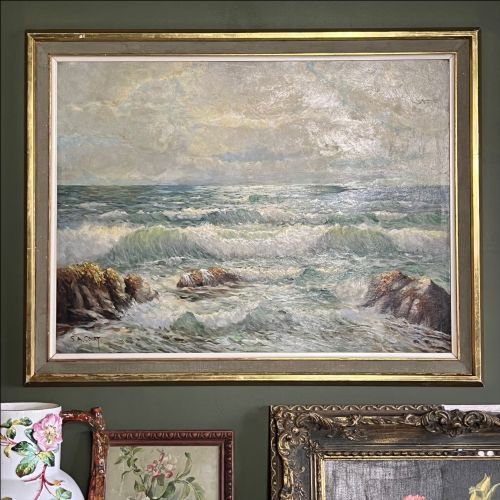
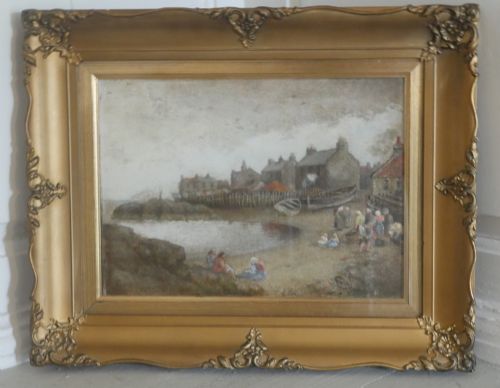
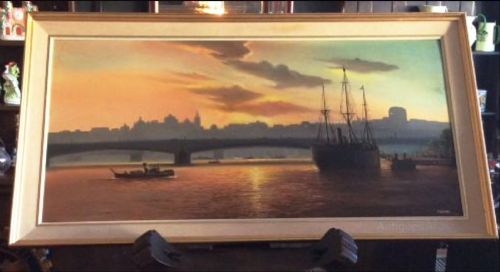
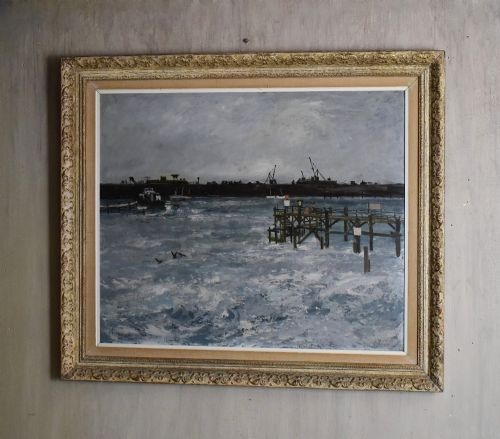
A british seascape oil encompasses coastal views, maritime scenes, and river estuaries created across the nineteenth and twentieth centuries. These works range from calm shoreline harbours to dramatic storms involving merchant ships and warships.
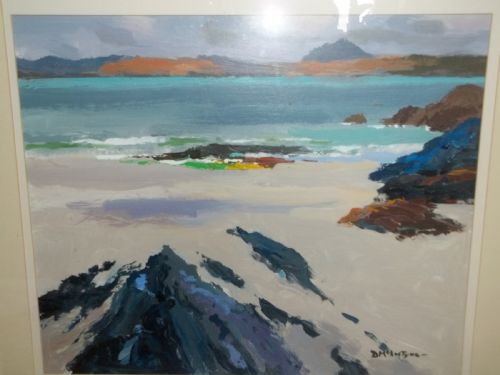
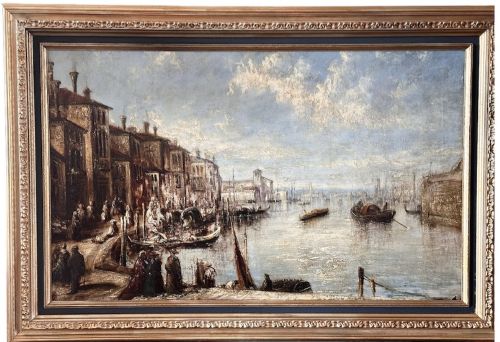
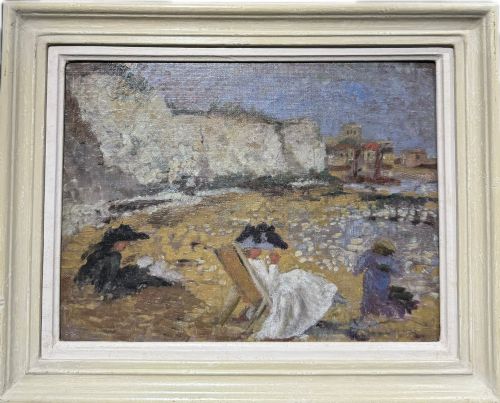
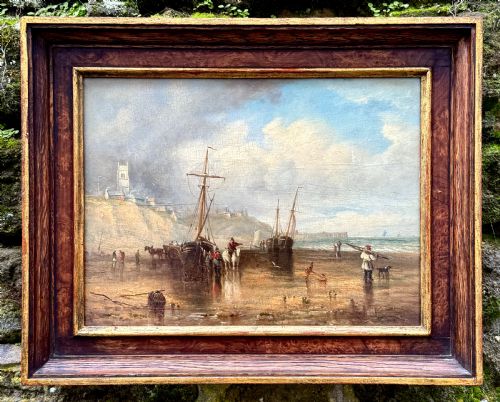
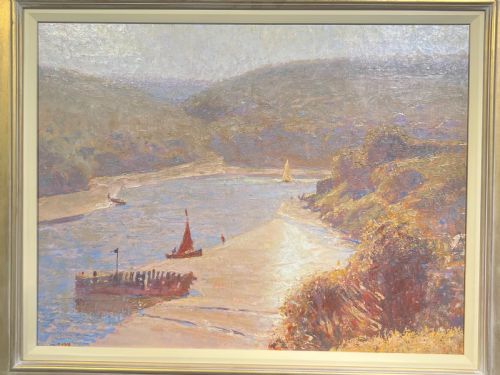
Buyers seeking a british seascape oil will encounter works executed in styles varying from Victorian marine art to British Impressionism and mid-century modernism. Canvases depict recognisable locations such as Cornwall, the River Thames, and Venice alongside anonymous coastal inlets.
The selection includes paintings on canvas, board, and card, often retained in period frames of gilt wood and gold leaf. Formats span from intimate panel studies to large scale works designed to command a room.
Materials and methods
Artists relied primarily on oil paint applied to stretched canvas, wooden panels, or card supports. Pigments were manipulated with brushes and palette knives, occasionally resulting in textured impasto surfaces that capture the rough movement of sea and wind.
Many nineteenth-century marine works involved studio composition based on preliminary sketches, while later twentieth-century pieces frequently embraced en plein air execution to record immediate atmospheric conditions along the shore.
British Seascape Oil Retail Price Guide 2026
Typical asking prices for british seascape oil among the pieces listed under this phrase on Sellingantiques today, from the lower quarter to the upper quarter. They describe what is for sale here now, not the wider market.
Listings feature works spanning from the eighteenth century to the mid-twentieth century, employing oil paint on canvas, wood, and card.
Distinctions in execution
Quality rests in the artist's command of maritime atmosphere, spatial depth, and light reflecting upon water. Superior examples demonstrate confident brushwork that conveys the weight of a rolling sea or the translucency of a wave crest without relying on laboured detail.
The sophistication of the composition and the fidelity of maritime architecture or rigging distinguish professional output from amateur work. Frame originality and condition further separate standard decorative items from collectible pieces.
William Shayer·Donald McIntyre·Francis Moltino·Thomas Creswick·Edward Seago
The British Seascape Oil Glossary
- Impasto
- Paint applied thickly to a canvas or board, standing visibly above the surface. This technique allows artists to build physical texture into the representation of crashing waves or clouds.
- En plein air
- The practice of painting outdoors directly from the subject. This method captures transient effects of natural light and weather encountered along the coast.
- Maritime
- Pertaining to ships, shipping, and navigation. In art, it denotes scenes where vessels form the primary subject rather than the surrounding landscape.
- Gilt wood
- Wood coated with a thin layer of gold leaf or metallic paint. Antique frames often utilise this finish to complement the warm tones of an oil painting.
British Seascape Oil: Frequently Asked Questions
How do I date a maritime oil painting?
Dating relies upon stylistic evidence, canvas stamps, stretcher construction, and the type of vessel depicted in the composition. Fashion in ship design and clothing provides a reliable chronological anchor.
Framing styles also offer clues, though frames are frequently replaced over the centuries. Signatures and exhibition labels on the reverse help narrow the period further.
What distinguishes Victorian marine art from later works?
Victorian marine art typically prioritises narrative detail, precise rigging, and dramatic weather events such as shipwrecks or naval battles. Brushwork tends to be controlled and academic.
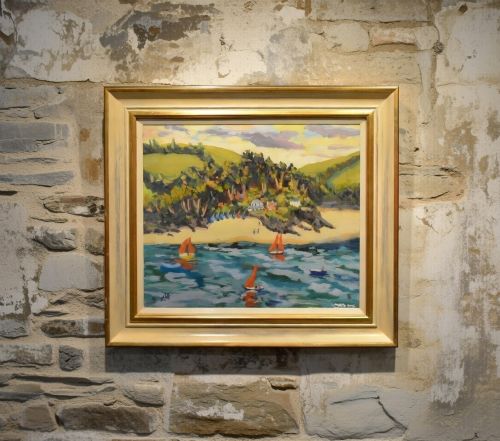
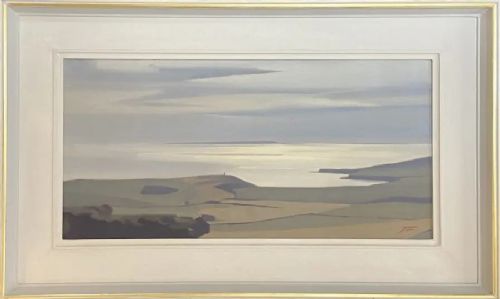
Later twentieth-century works lean towards impressionistic interpretation, focusing on colour harmony and light rather than topographical accuracy or strict maritime mechanics.
Where should I hang a coastal oil painting?
These works require stable wall space away from direct sunlight, dampness, and heat sources such as radiators. Natural indirect light enhances the layered tones of the oil pigments.
Ensure the wall can support the weight of the piece, particularly if the painting retains a heavy original gilt wood frame.