


British Post Impressionist Painting
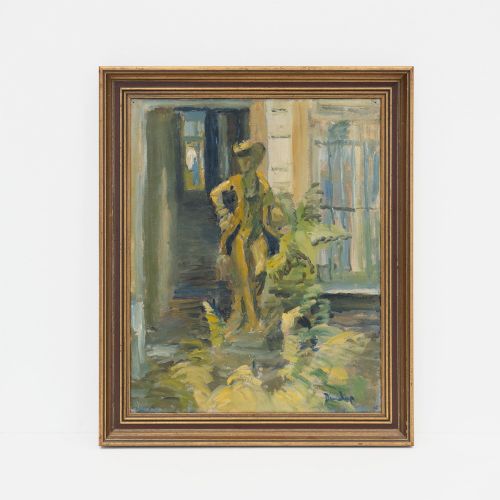
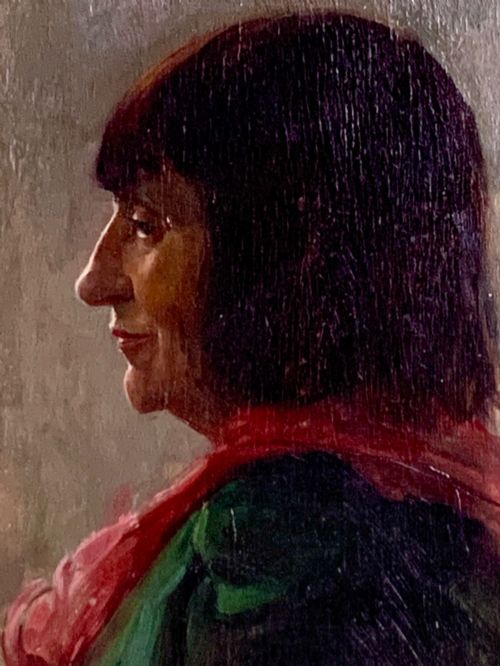
British post impressionist painting captures the light and atmosphere of twentieth-century life through expressive brushwork and vibrant colour palettes.
British Post Impressionist Painting
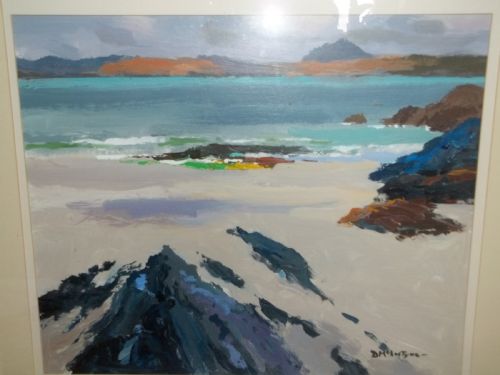
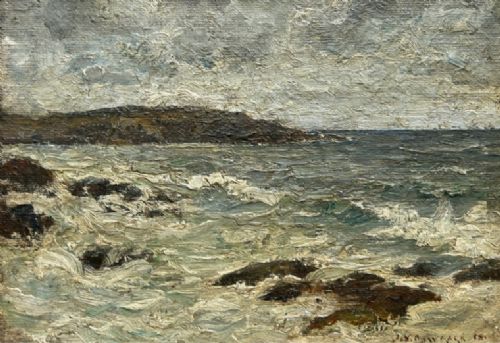
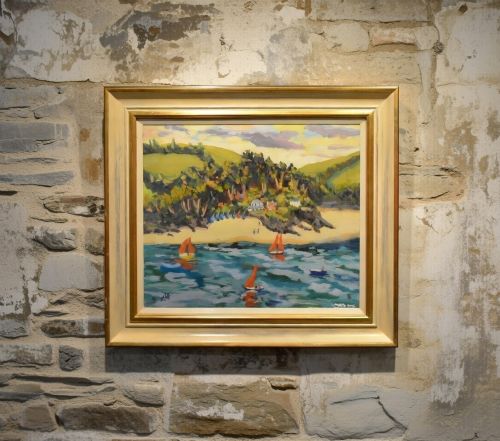
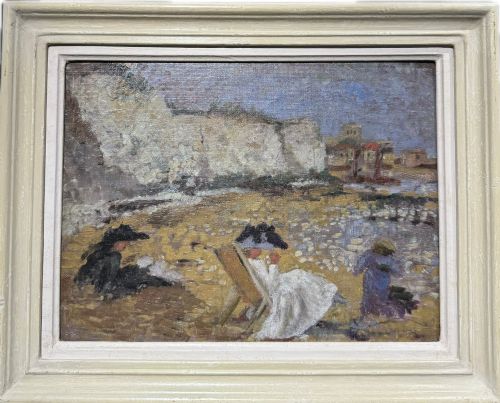
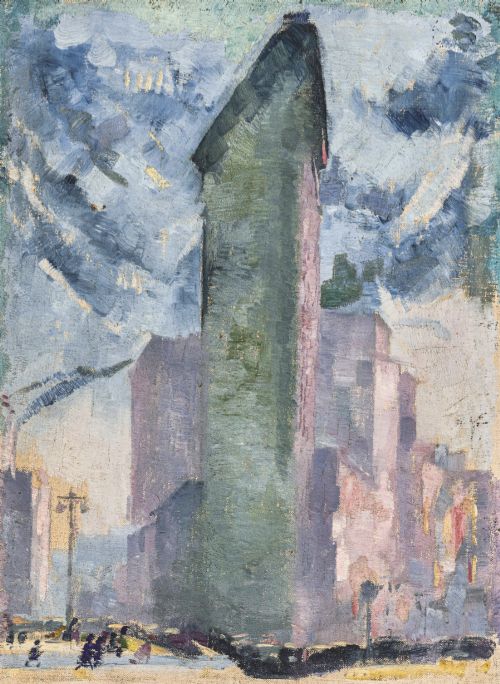
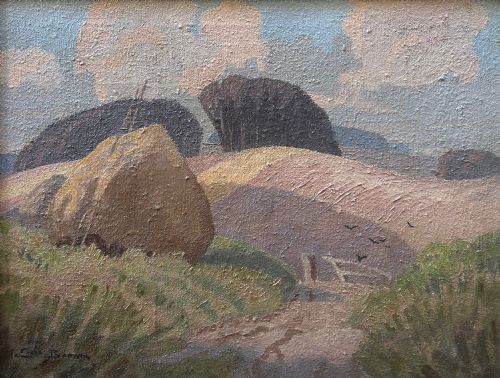
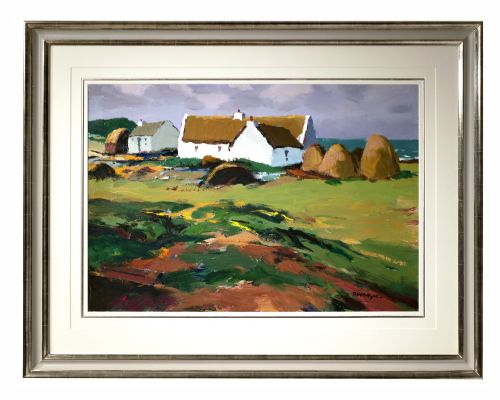
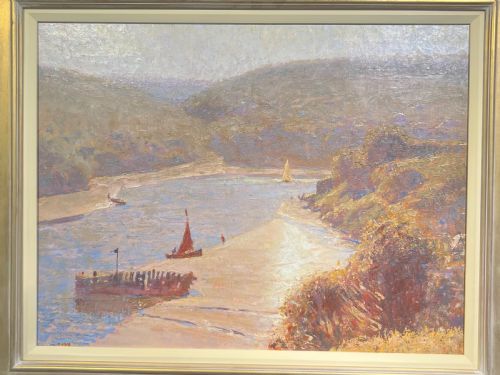
When you search for british post impressionist painting, you encounter works spanning from the nineteen-tens through to the nineteen-sixties. These pieces capture landscapes, coastal scenes, and intimate portraits executed by artists working within movements such as the Bloomsbury Group, the St Ives School, and the Newlyn School. The selection primarily includes original oil paintings on canvas, board, and wood panel, alongside occasional watercolours on paper.
You are most likely to meet mid-century townscapes, Welsh valleys, and Norfolk broads created during the nineteen-twenties and nineteen-sixties. These works reflect the evolution of modern British art away from strict academic realism toward personal expression. Painters utilised visible brushstrokes and simplified forms to convey the essence of a subject rather than its exact photographic detail.
Materials and Technique
Artists painted primarily with oil paint on stretched canvas, wooden panels, and heavy cardboard supports. The application ranges from thin, rapid sketches to thick impasto that leaves physical texture on the surface. Watercolours on paper appear in landscapes and floral studies from the early decades of the century.
Makers set their compositions using tonal colour harmonies rather than traditional academic glazing. Canvases often retain raw areas or visible underdrawing, showing the direct working method characteristic of the period. Wood panels and boards provided rigid grounds for plein-air painting trips across coastal and rural locations.
Several canvases retain faint traces of seaside sand embedded in the thick impasto layers from windy painting days on the beach.
Evaluating the Range
Quality rests upon the strength of the composition and the confidence of the brushwork. A superior canvas displays deliberate mark-making that structures the space, whereas weaker examples rely on repetitive formulas without spatial depth. The handling of light and colour relationships dictates whether a piece succeeds as a cohesive modern statement.
Signatures and attribution also influence the standing of a work. Pieces by documented members of established regional schools or nationally exhibited painters command greater interest than anonymous sketches. The preservation of the original paint surface, free from clumsy restoration, maintains the visual integrity of the maker's hand.
Lucy Pratt·Alfred Wolmark·Eric Brown·Donald McIntyre·Cecil Allan Mould·Ronald Ossory Dunlop·Hubert Wellington·George Turland Goosey·Edward Seago·Matthew Smith·Cecil R. Doyly-John·Rowland Henry Hill·Jeffrey Pratt·Hirst Walker·Ernest Higgins Rigg·Nora Munro Summers·Fred Stead·Augustus William Enness·Bernard Meninsky·Peter Greenham·Allan Gwynne-Jones·Herbert Davis Richter·Alastair Flatterly
The British Post Impressionist Painting Glossary
- Impasto
- Paint applied thickly to a canvas or panel, leaving the marks of the brush or palette knife visible in relief. This technique adds literal texture and catches real light on the picture surface.
- Plein-air
- The practice of painting outdoors directly from nature to capture transient effects of light and weather. Artists carried portable wooden boxes containing paints and small panels across landscapes.
- Canvas
- A heavy woven fabric stretched tightly across a wooden frame to serve as a support for oil paint. It remains the standard substrate for easel painting throughout the twentieth century.
- Bloomsbury Group
- An association of English writers, intellectuals, and artists who rejected Victorian conventions in life and art. Their decorative painting style featured flattened perspective and vibrant domestic subjects.
- St Ives School
- A group of artists based in Cornwall who developed distinct modernist and abstract approaches inspired by coastal light. Their works bridge traditional landscape and mid-century abstraction.
British Post Impressionist Painting: Frequently Asked Questions
What is british post impressionist painting?
These works are twentieth-century fine art pieces created by British artists influenced by continental European modernism. They focus on subjective colour, expressive brushwork, and everyday subjects.
The category encompasses oils and watercolours produced from the nineteen-tens through to the nineteen-sixties. Artists painted landscapes, coastal harbours, and domestic interiors with a strong emphasis on personal mood.
Where were these paintings made?
Many works were created on location during outdoor painting excursions across British and European landscapes. Popular regions included the Welsh valleys, the Norfolk Broads, and Cornish coastal colonies.
Studio work also took place in London and university towns like Oxford. Painters recorded local scenes, gardens, and architectural views during their travels.
How do I hang a vintage oil painting?
Hang paintings away from direct sunlight and damp environments to protect the canvas and wood supports. Ensure the wall fixings match the weight of the framed artwork securely.
Keep pieces at eye level in rooms with stable temperature conditions. Adequate spacing allows the brushwork and colour harmony to be viewed properly.
How do I identify the period of a painting?
Examine the materials, stretcher frames, and stylistic markers visible on the canvas or board. Twentieth-century works often bear dates, signatures, or exhibition labels on the reverse.
Stylistic shifts from early post-impressionist experimentation to mid-century modernism provide clear chronological clues. Framing styles can also help narrow down the decade of creation.