



British Portraiture Artwork
British portraiture artwork captures centuries of individual likenesses through oil on canvas, panel, and pastel.
British Portraiture Artwork
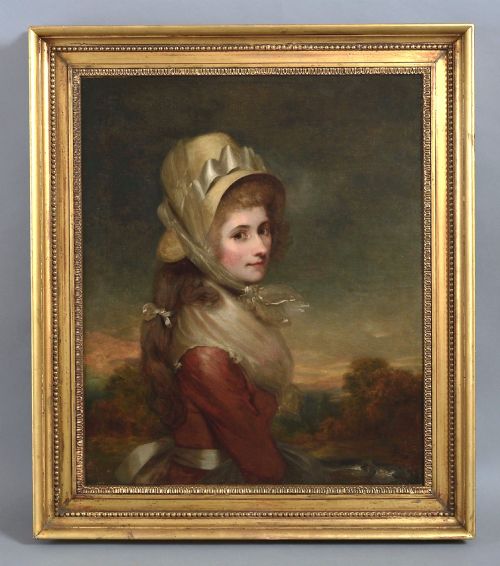
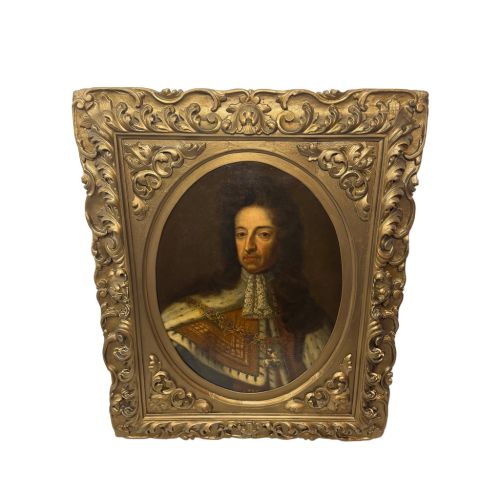
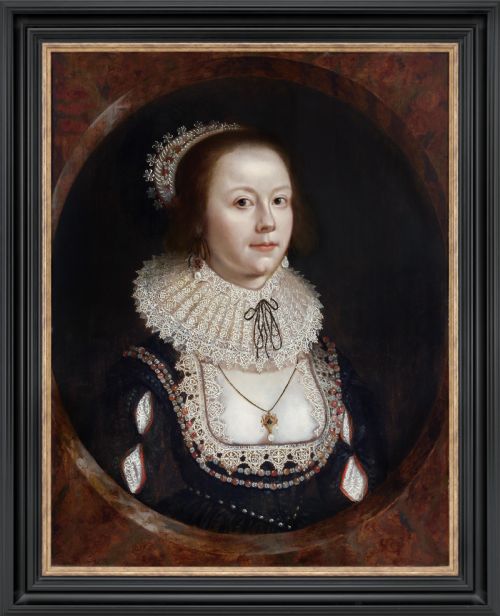
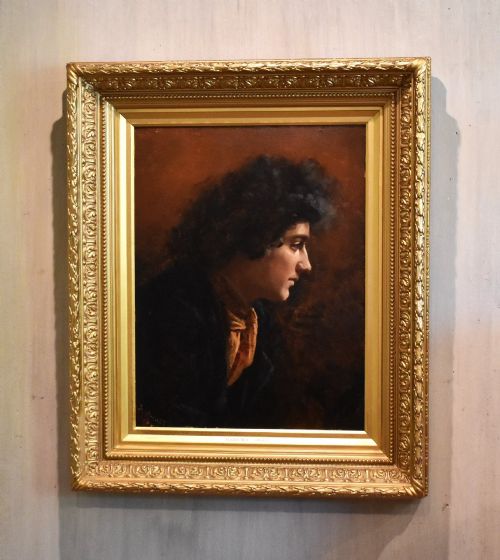
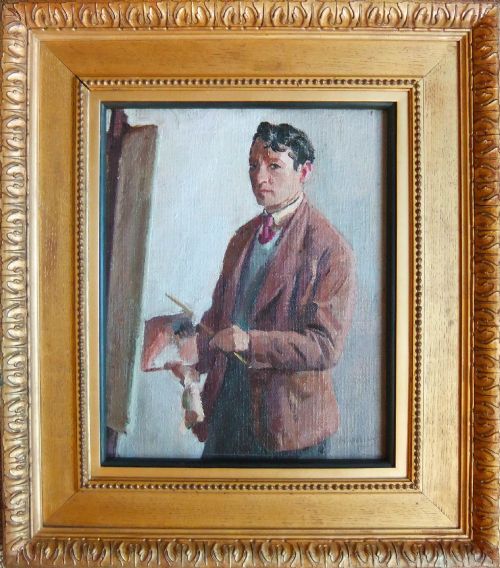
British portraiture artwork spans centuries of depiction, capturing nobility, clergy, literary figures, and everyday sitters in various media. When searching this phrase, a buyer encounters oil paintings, pastels, and watercolours reflecting changing aesthetic priorities across distinct British periods. The works range from formal 17th-century panel paintings in heavy gilt frames to 20th-century character studies.
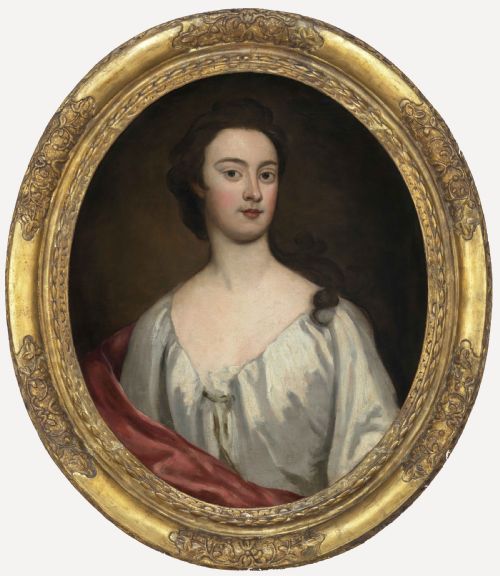
The most common pieces met on this page are oil on canvas paintings originating from the 18th and 19th centuries, alongside mid-century works. These pieces frequently present subjects in half-length or bust formats, sometimes recording specific uniforms, academic robes, or domestic dress. Victorian and Edwardian examples sit alongside Georgian and Baroque compositions.
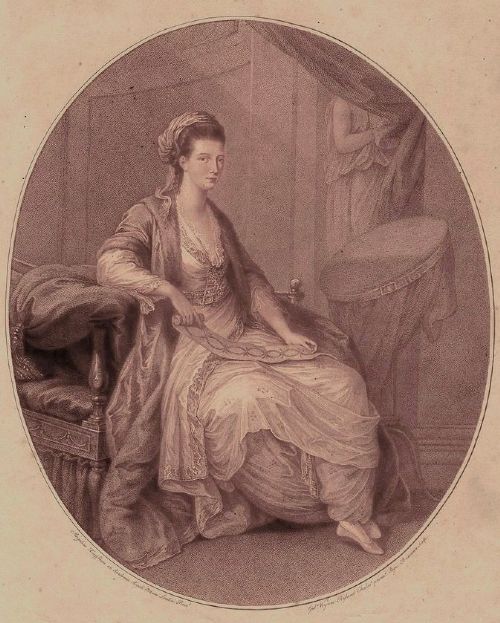
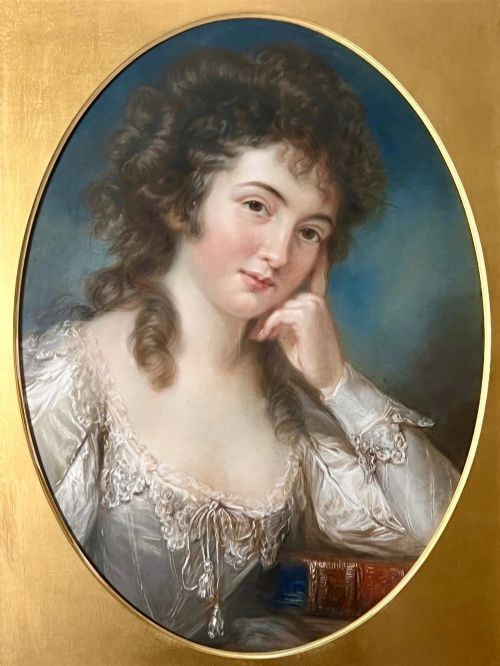
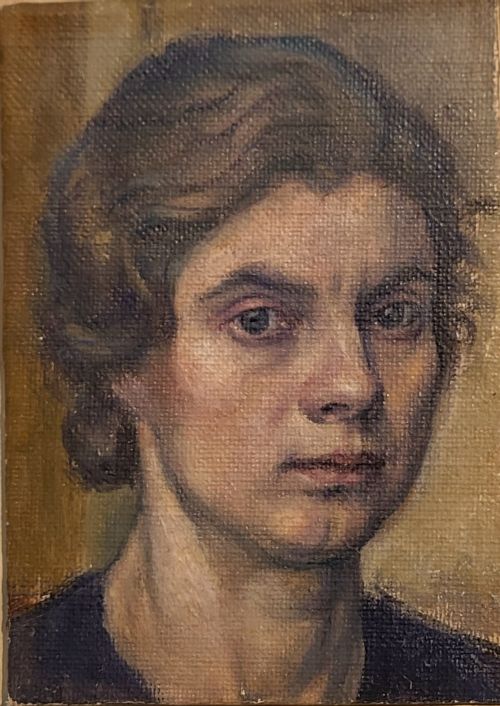
Beyond grand oil paintings, the selection includes intimate portrait drawings and watercolours executed on paper. These smaller works often preserve the immediacy of a preparatory sketch or a finished pastel study by named artists. Together, the offerings chart the evolution of British portrait painting from court commissions to modernist interpretations.
Materials and construction
The physical foundation of these works relies primarily on woven canvas stretched over wooden frames, or dense wooden panels for earlier 17th-century pieces. Artists applied oil paint in layered glazes and opaque passages to build depth in skin tones and garments. Pastel and watercolour on paper appear in works where artists sought a softer, more direct application of pigment.
Gilt wood frames are an integral component of many pieces, often contemporary to the artwork or selected to complement the period aesthetic. Pigments varied by era, with early works utilising natural earths and ground minerals bound in oil, while later centuries introduced synthetic formulations. Panel works required seasoned timber preparations to prevent warping beneath the painted surface.
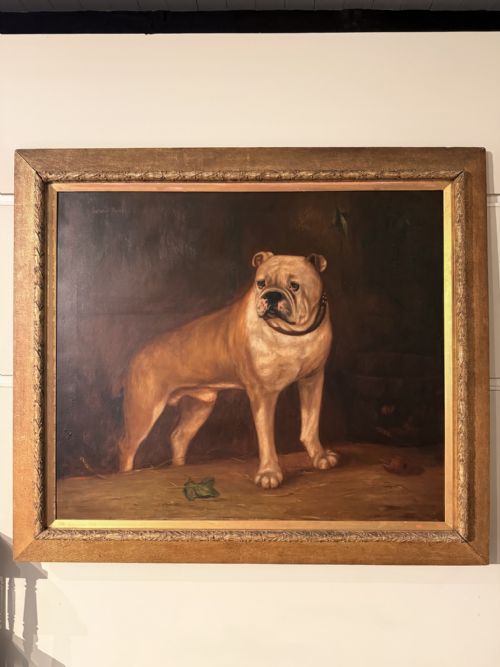
Several portraits preserve the solemn gazes of esteemed individuals alongside the watchful presence of their cherished spaniels.
Evaluating the standard
The preservation of the original paint layer significantly influences the standing of a piece, distinguishing untouched surfaces from heavy overpainting. Furthermore, the presence of a documented attribution to a notable painter or a detailed provenance elevates the historical importance of the artwork. Original frames matching the period of creation also contribute to the integrity of the ensemble.
Sir Martin Archer Shee·Emily Eyres·Jeremiah Davison·Cornelius Johnson·Florence Small·Philip Naviasky·John Greenhill·Thomas Gainsborough·Frank Moss Bennett·Alan Ramsay·Charles Sillem Lidderdale·Enoch Seeman·Aubrey Sykes·Frank Owen Salisbury·Thomas Robson·Sir Godfrey Kneller·Paul Storr·William Albert Clark·Muriel Metcalfe·Bernard Meninsky·Josiah Gilbert·John Gilroy·Charlotte Blakeney Ward·Rudolph Lehmann·John Partridge
The British Portraiture Artwork Glossary
- Oil on Canvas
- A traditional painting medium utilising pigmented linseed oil applied to a stretched cloth support. This combination allowed artists to achieve rich tonal gradations and lasting durability.
- Panel Painting
- An artwork executed on a flat piece of treated wood rather than fabric. This method is typical of earlier centuries before canvas became the dominant support.
- Pastel
- A dry medium consisting of powdered pigment and a binder, shaped into sticks. It creates velvety colour textures requiring preservation beneath glass.
- Provenance
- The documented history of ownership of an artwork from its creation to the present day. Clear provenance assists in confirming attribution and authenticity.
- Baroque
- An artistic style prevalent in the 17th and early 18th centuries characterised by drama, rich colour, and deep shadow. Portraits from this movement often emphasise grand staging and opulent attire.
British Portraiture Artwork: Frequently Asked Questions
What defines British portraiture?
British portraiture encompasses painted, drawn, or engraved likenesses produced by artists working within Britain across multiple centuries. These works document the appearance, status, and clothing of historical subjects.
The tradition ranges from formal court commissions intended to project power to intimate domestic watercolours capturing family members. Each period brought distinct stylistic approaches to lighting and composition.
How should I care for an oil painting?
Oil paintings require stable indoor environments away from direct sunlight and dramatic humidity fluctuations. Canvas supports benefit from avoiding pressure on the reverse side.
Dusting should be undertaken gently with a soft, dry brush by a professional if needed. Avoid using chemical cleaning agents on the painted surface.
How do I identify the period of a portrait?
Clothing styles, hairstyles, and framing provide primary clues for dating historical portraits. Sitters frequently wore contemporary fashions that reflect specific decades.
Additionally, the stretcher construction, canvas type, and framing techniques offer physical evidence of the era of creation. Signatures and inscriptions on the reverse further confirm dates.
Were these portraits commissioned?
Many formal works were commissioned by wealthy patrons, institutions, or families to commemorate status, marriage, or public office. Sitters sat for artists over multiple sessions to achieve a likeness.
Smaller sketches and studies were sometimes created as preparatory works for larger canvases or produced independently by artists recording friends and family.