

British Portraiture Art
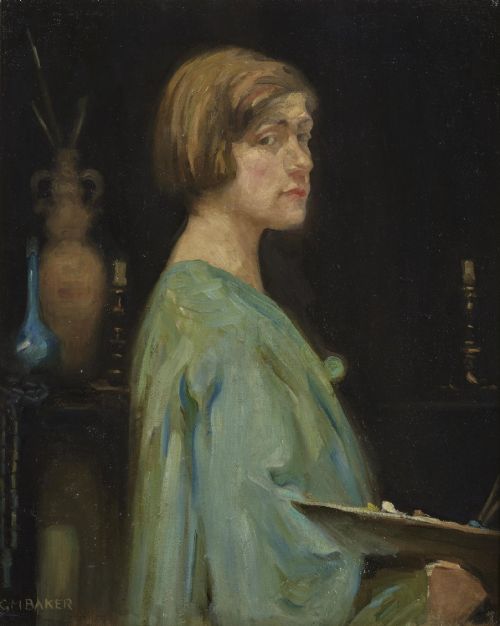
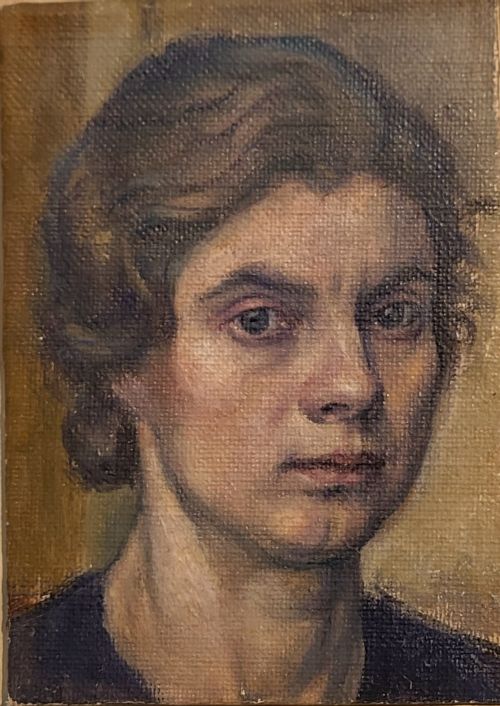
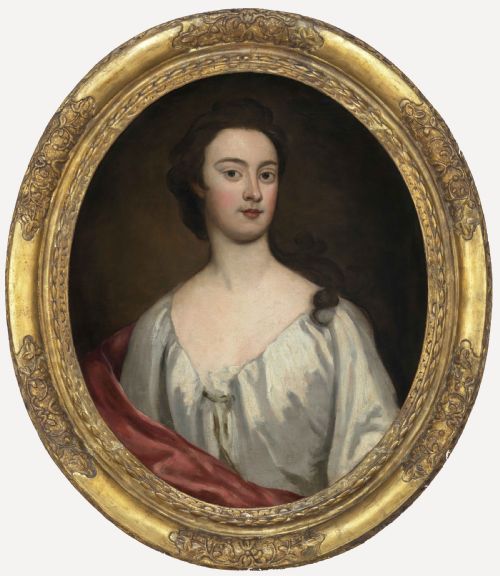
British portraiture art captures centuries of individual character through oil paintings and pastels created across the seventeenth, eighteenth, and nineteenth centuries.
British Portraiture Art
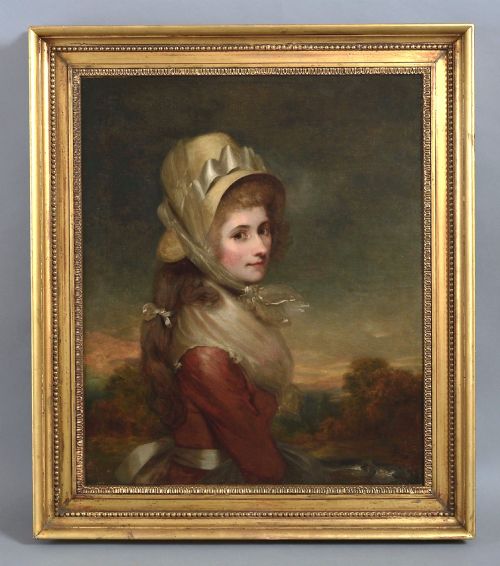
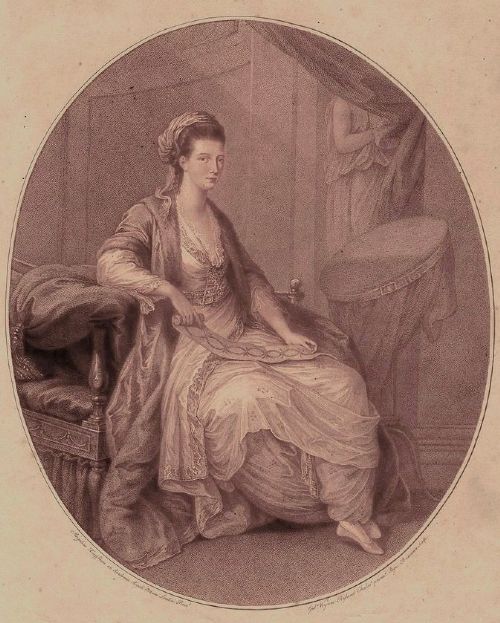
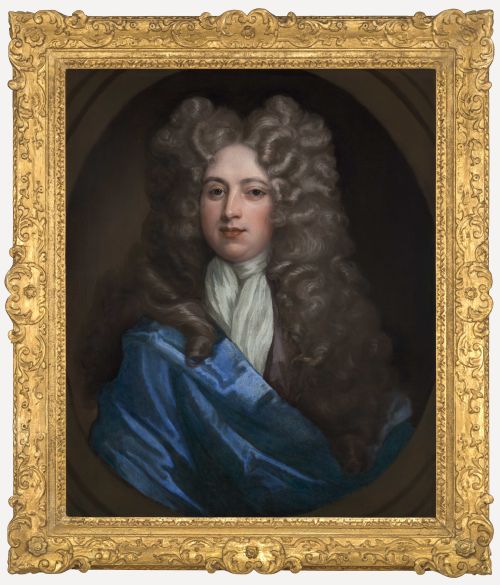
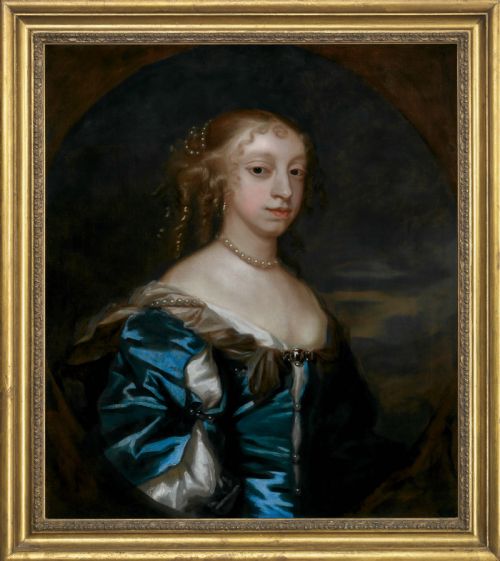
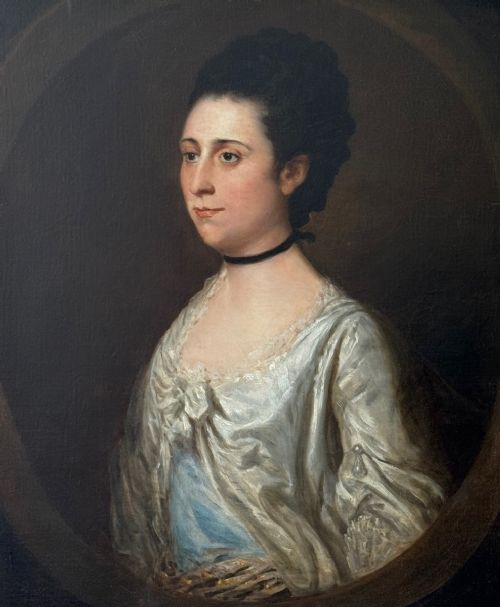
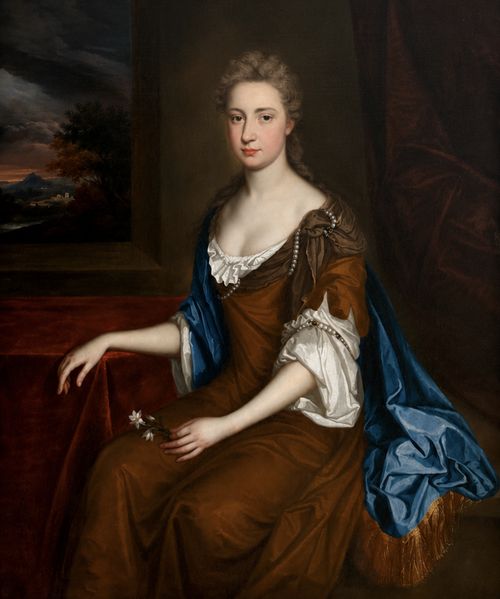
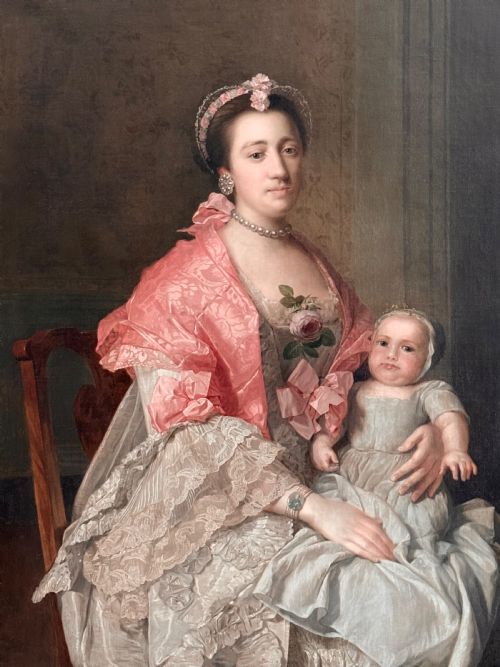
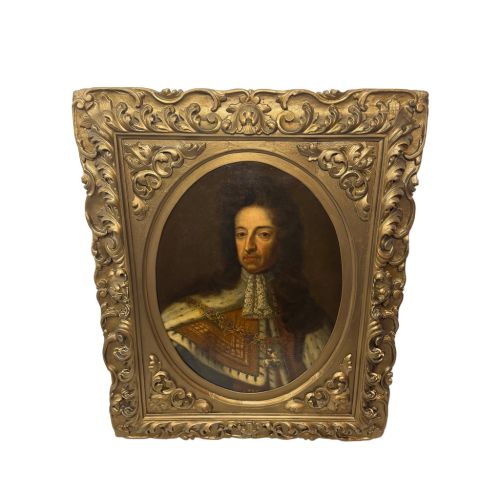
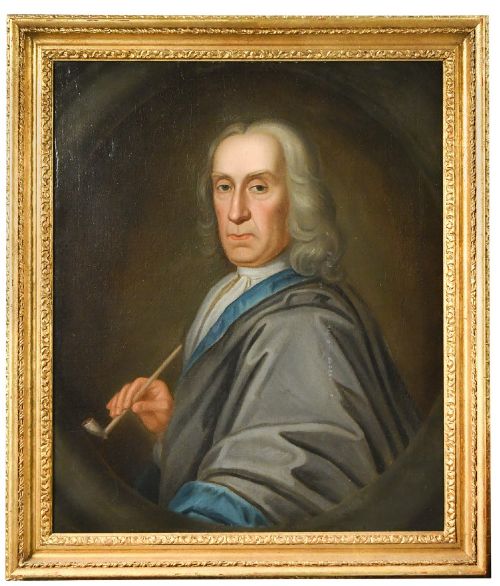
British portraiture art encompasses oil paintings, pastels, and engravings depicting sitters ranging from nobility to ordinary citizens. Buyers exploring this selection will encounter seventeenth-century oils on canvas and panel, eighteenth-century Georgian works, and later Victorian and twentieth-century interpretations.
The dominant forms on this page are oil paintings on canvas or wood, spanning Baroque, Georgian, and modern British styles. Subjects include named historical figures, military officers, clergymen, and intimate family studies.
How they were made
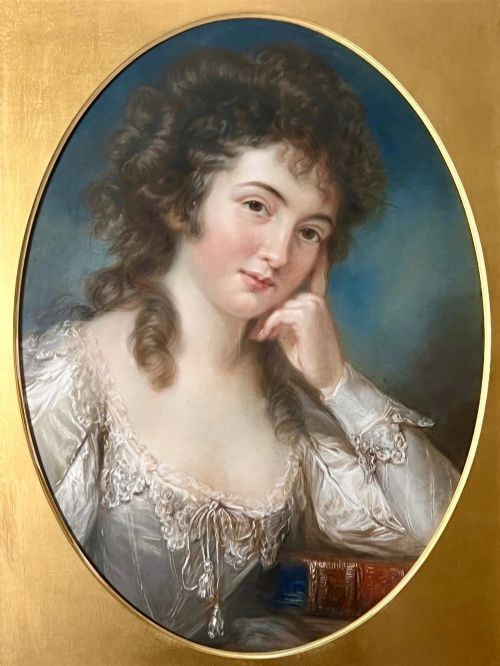
Makers applied oil paint to stretched canvas or wooden panels, often building rich layers to render fabrics, lace, and facial expressions with depth. Pastels on paper offered artists a medium for immediate, textured detail, while engravings translated painted compositions into printed form.
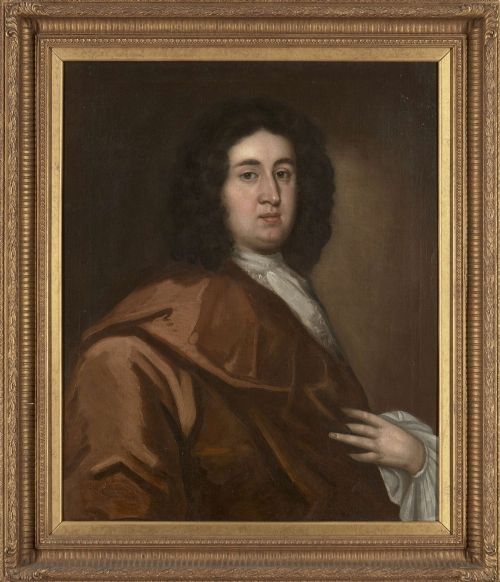
Framing played an integral role, with many surviving examples retaining period giltwood or carved wooden frames that complement the depth of the pigment.
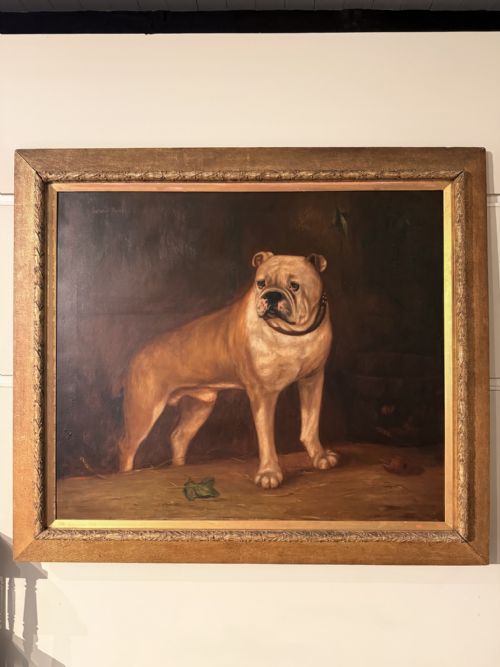
Several portraits thoughtfully include the sitter's loyal spaniel joining them on the canvas.
What varies in quality
The preservation of the original paint surface and the authenticity of the associated period frame significantly influence the standing of each piece within the tradition.
Sir Martin Archer Shee·Emily Eyres·Thomas Murray·John Closterman·Sir Allan Ramsay·John Russell·Jeremiah Davison·Cornelius Johnson·Florence Small·Philip Naviasky·John Greenhill·Sir Godfrey Kneller·Robert More·Charles Sillem Lidderdale·Aubrey Sykes·Frank Owen Salisbury
The British Portraiture Art Glossary
- Oil on canvas
- A painting medium where pigments are suspended in drying oils and applied to a woven fabric support. This technique allowed artists to achieve subtle tonal gradations and rich textures.
- Giltwood
- Wood carved and coated with a thin layer of gold leaf or gilt powder. It provides reflective, ornate borders for historical frames.
- Baroque
- An artistic style prevalent in the seventeenth century characterised by drama, deep contrast, and rich detail. Portraits in this manner emphasise movement and grandeur.
- Pastel
- A dry painting medium consisting of powdered pigment and a binder. It produces velvety surfaces with soft, luminous colour transitions.
- Georgian
- A period spanning the eighteenth century known for refined elegance and realism in portraiture. Works from this era often display balanced compositions and subdued palettes.
British Portraiture Art: Frequently Asked Questions
How do I identify a seventeenth century portrait?
Seventeenth-century works often feature distinct clothing styles such as lace collars, periwigs, and heavy cloaks, combined with darker, dramatic lighting characteristic of the Baroque period.
Artists during this era utilised oil on panel or canvas, frequently inscribing the sitter's age and date directly onto the background.
Where should I hang an oil painting?
Position your oil painting away from direct sunlight and fluctuating heat sources to protect the canvas and the historical frame from warping or cracking.
Ensure the wall can support the weight, particularly for larger canvases housed in heavy giltwood frames.
What is the difference between oils and pastels?
Oil paintings utilise pigment mixed with drying oil on canvas or wood, offering durable surfaces and rich colour depth that can be cleaned by conservators. Pastels consist of dry pigment bound into sticks, creating a delicate matte finish that requires protective glass.
Pastel portraits often capture an intimate immediacy, while oils provide grander scale and permanence.
Are these portraits of real historical figures?
Many listings depict named individuals, including nobility, military officers, bishops, and monarchs such as King William III and King Charles II. Other pieces portray sitters from the English School whose identities remain anonymous.
Inscriptions on the canvas reverse or frame often record the subject's name and dates.