




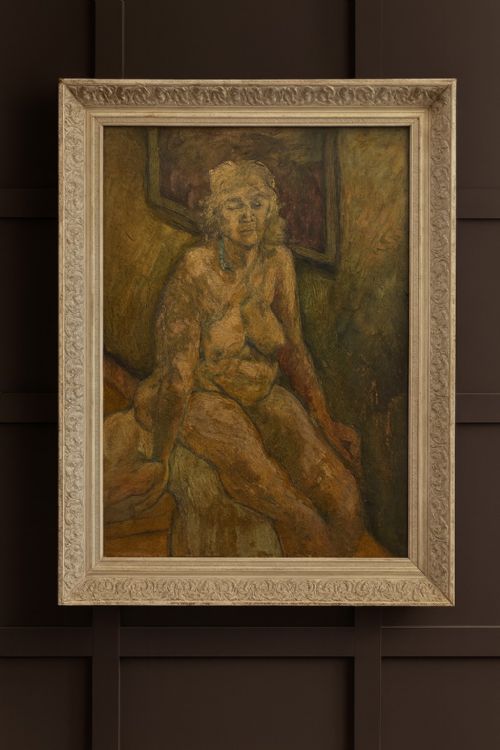


Seated Figure Portrait
A seated figure portrait captures a subject at rest, offering a glimpse into personality and posture across various historical periods.
Seated Figure Portrait
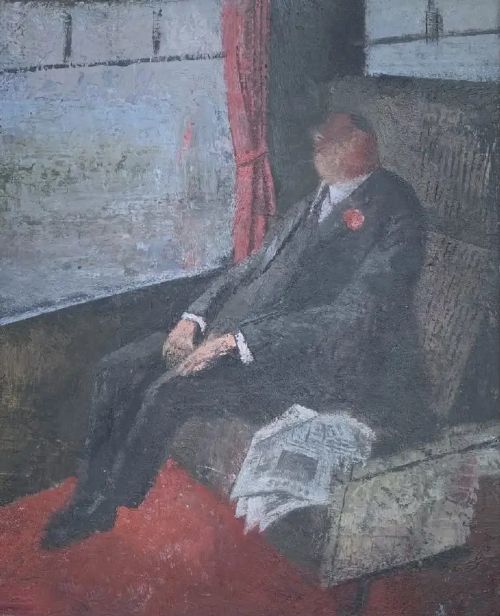
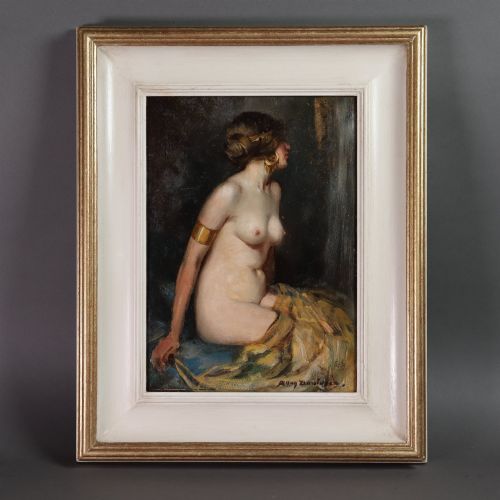
A seated figure portrait captures a subject in a composed posture, presenting a deliberate study of human form and character. These works range from early nineteenth-century academic paintings to mid-century modernist expressions.
You will most commonly encounter oil on canvas paintings and graphite drawings on this page. These pieces span multiple eras, including Regency, Edwardian, and mid-century modern movements.
The subjects depicted vary widely, from formal historical figures to intimate studies of models and anonymous sitters. Each piece reflects the aesthetic conventions of its specific decade of creation.
Materials and techniques
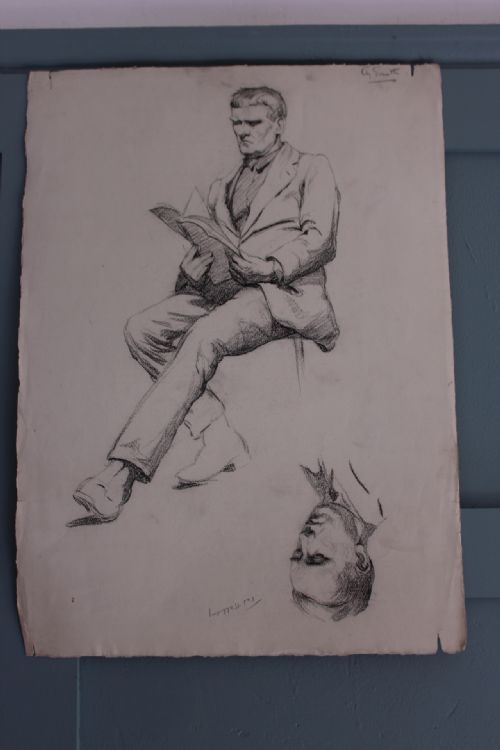
Artists utilise oil paint on canvas or board to build rich colour depth and texture. Graphite and chalk drawings on paper offer a more immediate, linear approach to capturing the sitter.
Frames play a structural and aesthetic role, with period examples often housed in wood or worn gilt surrounds. Support materials vary from traditional stretched canvas to sturdy wooden boards.
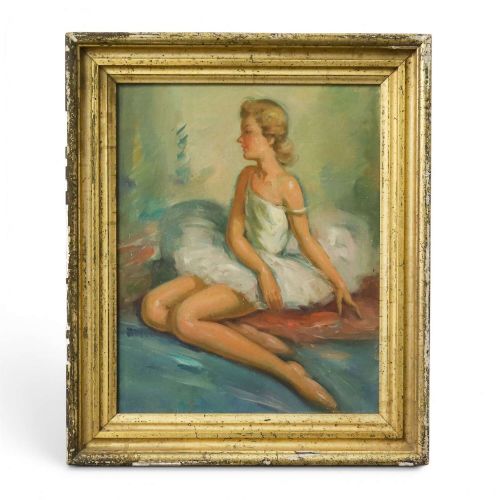
A solitary ballerina contemplates her next step inside a delightfully worn gilt frame.
Distinctions in quality
Quality rests on the sureness of the draughtsmanship and the artist's command over anatomy and light. Stronger works demonstrate confident brushwork or precise pencil lines that define volume and presence.
The harmony between the subject and the surrounding palette dictates the visual success of the piece. Superior examples maintain balance across the composition without losing the psychological focus on the sitter.
Augustus John·Allan Douglas Davidson·Pinchus Krémègne·Raymond Arthur Roadnight·Ramsay Richard Reinagle·Muriel Metcalfe·Francis Dodd·Frank Samuel Eastman·Gaston Bouy
The Seated Figure Portrait Glossary
- Academic Realism
- A style of painting and sculpture produced under the influence of European academies of art. It emphasises traditional standards and precise anatomical accuracy.
- Graphite
- A form of crystalline carbon used as a drawing medium. It yields a grey or black mark that can be smudged or layered for tonal variation.
- Impressionism
- A nineteenth-century movement characterised by relatively small, thin, yet visible brush strokes. It prioritises an open composition and accurate depiction of light.
Seated Figure Portrait: Frequently Asked Questions
What defines a seated figure portrait?
A seated figure portrait focuses on a subject positioned on a chair, bench, or floor. The composition centres on the posture and expression of the individual.
These artworks utilise various mediums like oil, graphite, or pastel to record the likeness and mood of the sitter.
How are these portraits displayed?
Framed paintings and drawings hang securely on walls using appropriate picture wire and hooks. Wall art requires stable indoor environments away from direct sunlight.
Works on paper benefit from UV-protective glass to preserve the graphite, chalk, or watercolour mediums over time.
How do I identify the period?
Period identification relies on clothing styles, framing materials, and artistic movements. Regency and Victorian works show distinct formal attire and academic techniques.
Mid-century and modern pieces reveal looser brushwork and simplified forms characteristic of twentieth-century aesthetics.
What materials are common?
Oil paint on canvas or board forms a large portion of the collection. Artists also rely on graphite, chalk, pastel, and watercolour on paper.
Frames incorporate wood, gesso, and gilt finishes that match the prevailing style of the era in which they were made.