





British Naive Art Painting
These british naive art painting examples offer a direct and charming window into historical domestic and working life.
British Naive Art Painting
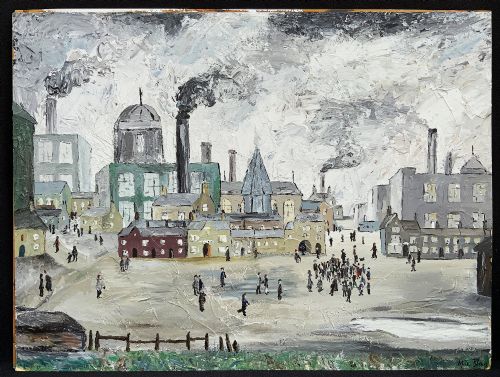
When you search for british naive art painting, you encounter works defined by an honest disregard for formal academic perspective and proportion. These pieces capture subjects with an earnest directness that academic art often misses.
The selections span from the Georgian period through the nineteenth century and into the mid-twentieth century. Portraits of children, townscapes, and maritime scenes dominate the available selection.
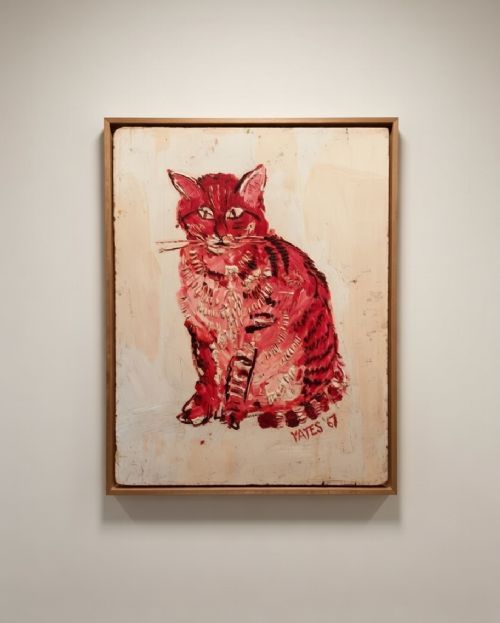
Makers working within this tradition often lacked formal training, relying instead on personal observation and raw skill. This provincial approach results in characterful depictions of everyday people, animals, and local scenes.
Materials and Construction
Painters utilised oil paint applied to stretched canvas, wooden board, or wood panels. Some works incorporate gold leaf details or watercolour mediums to accent specific areas of the composition.
Support materials range from sturdy wooden panels to woven canvas substrates typical of nineteenth-century practice. These traditional supports often display the natural ageing of the wood or fabric over time.
Listings feature works executed in oil paint upon canvas, wood, and board across the eighteenth, nineteenth, and twentieth centuries.
Distinctions in Quality
Quality rests upon the strength of the composition and the confidence of the brushwork. Stronger examples display a bold arrangement of colour and form that transcends mere technical simplicity.
Expressive power separates remarkable works from ordinary ones. Pieces that capture vivid personality in a portrait or striking atmosphere in a landscape hold greater visual presence.
J Brown·E H Windred·Gertrude Halsband·Fred Yates
The British Naive Art Painting Glossary
- Naive art
- Artwork created by a person without formal training, typically characterised by a childlike simplicity in perspective and scale. This style prioritises emotional truth over academic accuracy.
- Folk art
- Utilitarian and decorative items created within a community culture, often reflecting traditional motifs and regional practices. Paintings in this category record local customs and domestic scenes.
- Oil on board
- A painting technique where oil paint is applied directly to a rigid wooden panel or stiff card substrate. This method was frequently utilised by provincial artists for its convenience and durability.
- Provincial school
- A term describing regional artists working outside metropolitan artistic centres and academic institutions. These creators developed distinct local styles independent of prevailing urban fashions.
British Naive Art Painting: Frequently Asked Questions
How do I identify a naive painting?
Look for a distinct lack of traditional perspective, flat planes of colour, and unpretentious proportions in figures and objects. These characteristics reflect the artist's personal vision rather than adherence to strict academic rules.
The subjects are usually drawn from immediate surroundings, including family members, local pets, familiar buildings, or nearby landscapes.
What periods do these paintings cover?
The works span from the eighteenth century through the Georgian era and the nineteenth century, extending into the mid-twentieth century. Each period brings its own choice of subject matter and material preparation.
Nineteenth-century examples frequently feature portraits and maritime views, while later twentieth-century pieces often capture industrial townscapes.
Are these paintings usually framed?
Many examples are presented in period frames that complement the age and rustic character of the artwork. Original or period-appropriate framing enhances the visual presentation of the canvas or board.
Buyers often appreciate frames that show honest patination matching the wear upon the painting within.
What subjects are most common?
Portraits of children and gentlemen appear frequently alongside domestic animals, sailing ships, and rural or industrial landscapes. These themes reflect the daily lives and immediate concerns of the painters and their commissioners.
Maritime subjects also feature prominently, recording local shipping and coastal vessels of the period.