





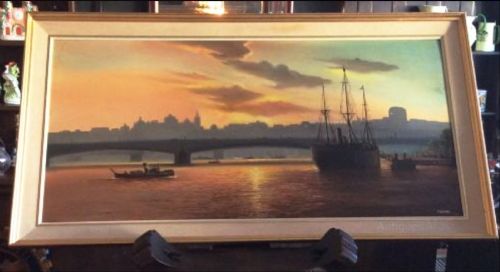
British Landscape Oil Art
British landscape oil art captures the topography, coastlines and rural life of the British Isles through the traditional medium of oil paint.
British Landscape Oil Art
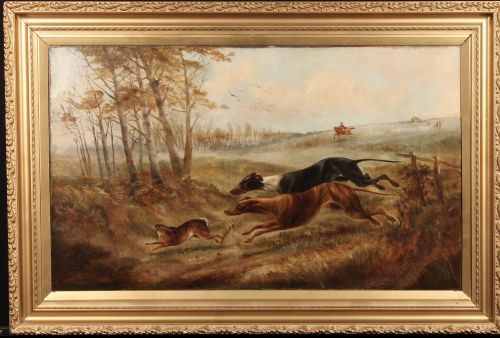
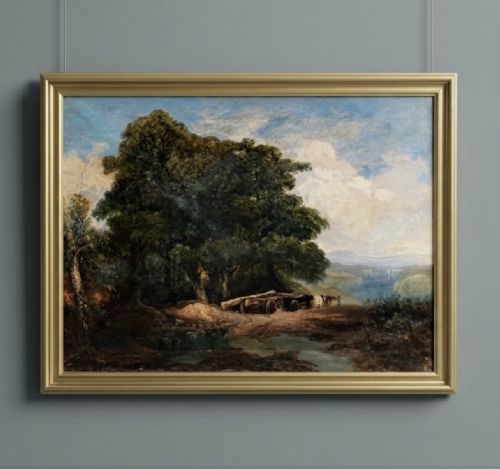
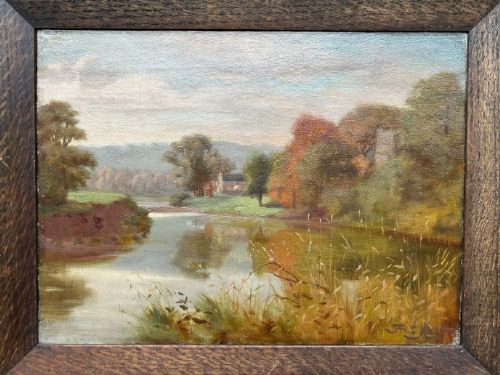
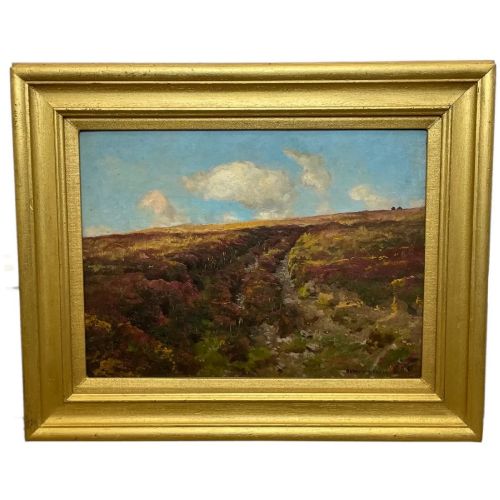
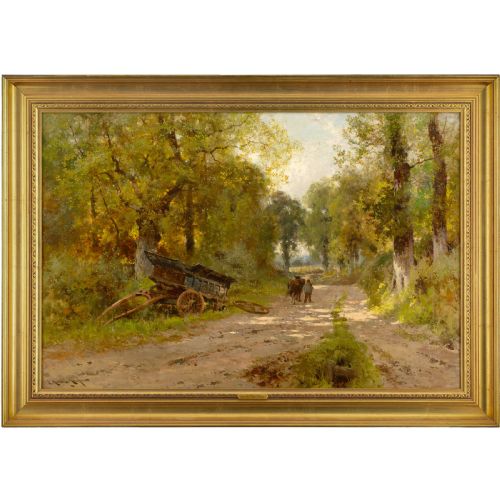
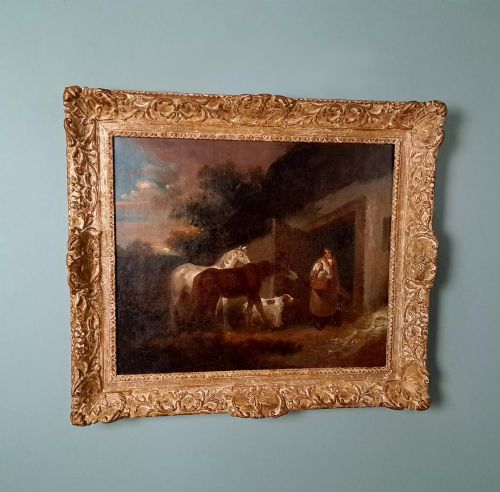
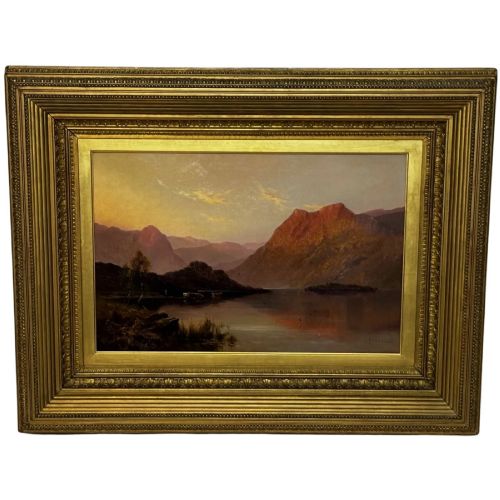
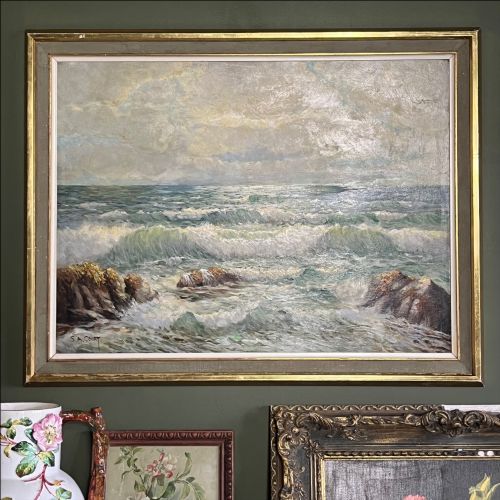
British landscape oil art encompasses original paintings created on canvas, wood panels and boards, depicting rural scenes, coastal views and river waterways. These works span from the eighteenth and nineteenth centuries into the twentieth century and contemporary periods, reflecting changing artistic movements across Britain.
Buyers will most frequently encounter nineteenth-century works and early twentieth-century examples on this page. Subjects range from pastoral valleys and Scottish highlands to coastal villages and maritime scenes painted by named artists and regional British schools.
What Varies In Quality
Quality in British landscape oil art is determined by the confidence of brushwork, the handling of light and shadow, and the depth of atmospheric perspective. Masterful composition and dynamic tonal balance separate accomplished academic and regional school works from simpler student or amateur efforts.
The preservation of the original paint surface, stability of the canvas or wood support, and the presence of a period-appropriate gilt frame contribute significantly to the standing of an individual painting.
Listings feature works created on canvas, wood panels and boards, spanning the nineteenth century through to contemporary periods.
Kenneth Cozens·Richard Sebastian Bond·William H Myers·George Graham·Tom Campbell·Clifford Hanney·William Howard Hardy·Frederick Marriott·Arthur Wardle·John Horace Hooper·William Joseph Shayer Senior·Alfred Fontville de Breanski Jr·Sidney A Court·Edward Mills·Kershaw Schofield·Herbert Royle·Robert Morson Hughes·Thomas Barker of Bath·Thomas W Lascelles·David Bates·Benjamin Barker of Bath·Thomas Smythe·Robert John Hammond·Walter Heath Williams·Clive Browne
The British Landscape Oil Art Glossary
- Impasto
- Paint applied thickly to a canvas or board so that it stands proud of the surface. This technique preserves the physical gesture of the brush or palette knife and adds tangible texture.
- En plein air
- Painting outdoors in direct natural light. This approach allows the artist to record transient atmospheric effects and immediate visual impressions.
- Gilt frame
- A wooden picture frame coated with gold leaf or metallic gilt paint. These frames are often period-specific and designed to enhance the visual depth of oil paintings.
- Wood panel
- A rigid wooden support used by artists instead of woven fabric. Panels provide a firm, stable ground for detailed brushwork.
- British School
- A loose grouping of artists working within Britain during a particular era. It often denotes regional painters sharing stylistic influences rather than a formal academy.
British Landscape Oil Art: Frequently Asked Questions
What periods do these paintings cover?
The works span from the late eighteenth century through the Victorian era and the early twentieth century, extending into mid-century and contemporary British art.
Nineteenth-century examples often focus on romantic landscapes and pastoral scenes, while later twentieth-century pieces incorporate modernist or impressionist tendencies.
Where were these landscape scenes painted?
Subjects include locations across the British Isles such as the Lake District, Scottish highlands, Cornish coasts, and the River Thames in London.
Artists frequently travelled to specific rural valleys, coastal villages and regional rivers to capture recognizable British topography.
How should I care for an oil painting?
Keep paintings away from direct sunlight and fluctuating humidity to protect the canvas, wood panel and oil pigments from degradation.
Dust the surface gently with a soft, dry brush and avoid using chemical cleaning agents on the paint or the gilt frame.
How do I identify the artist?
Look for signatures, monograms or inscriptions located near the corners of the canvas or on the reverse wooden board.
Examine biographical records, exhibition labels and stylistic traits associated with known regional British schools and historical painting societies.