





British Genre Canvas
A British genre canvas captures the domestic and social scenes of everyday life, offering a vivid window into past centuries that brings narrative depth to any room.
British Genre Canvas
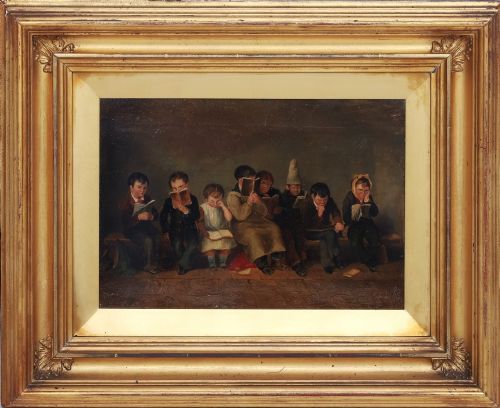
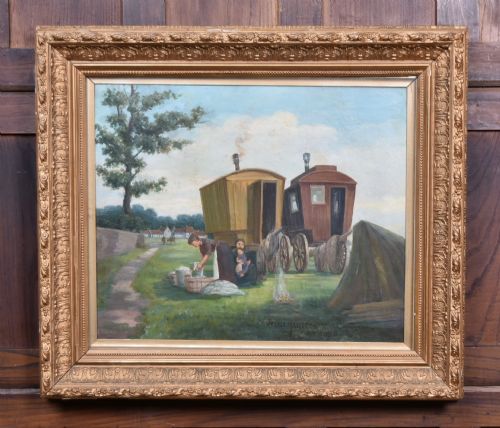
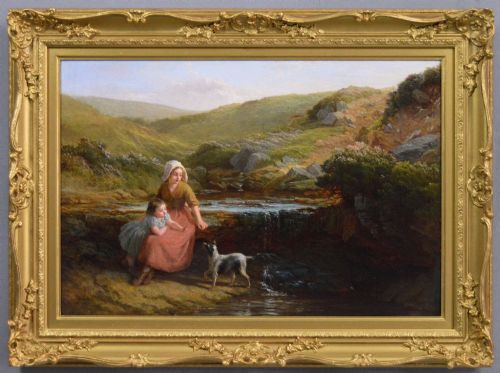
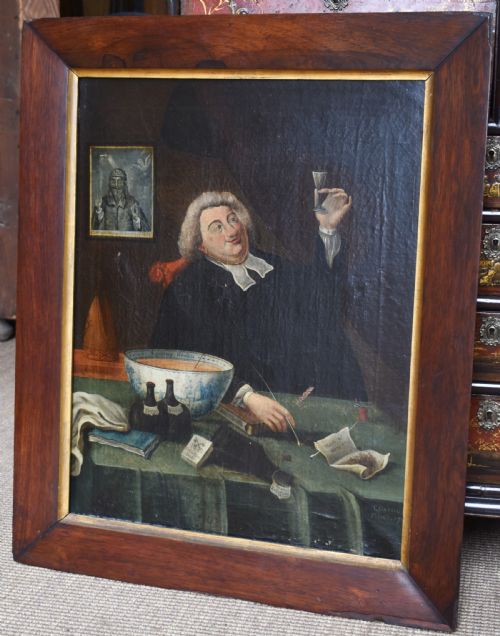
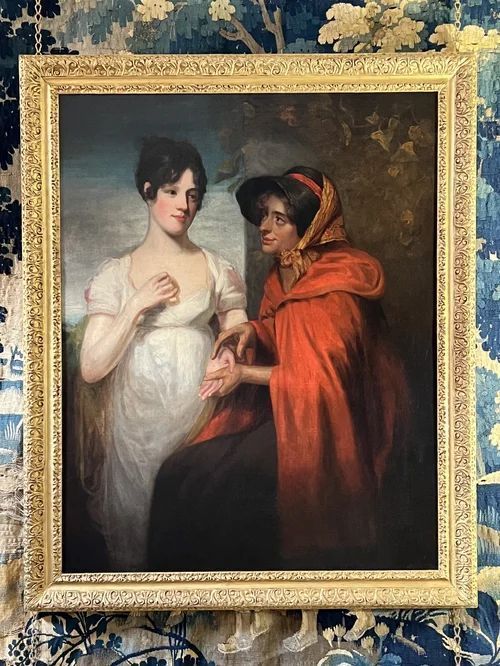
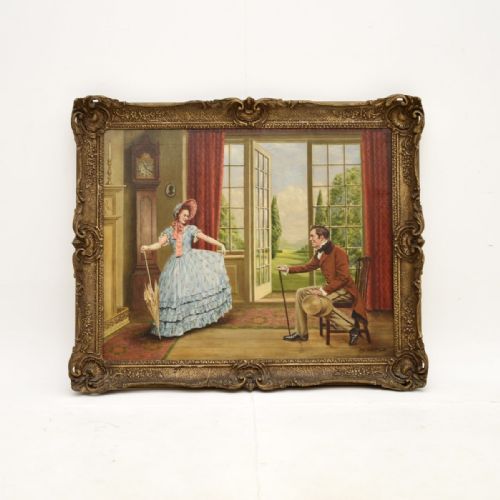
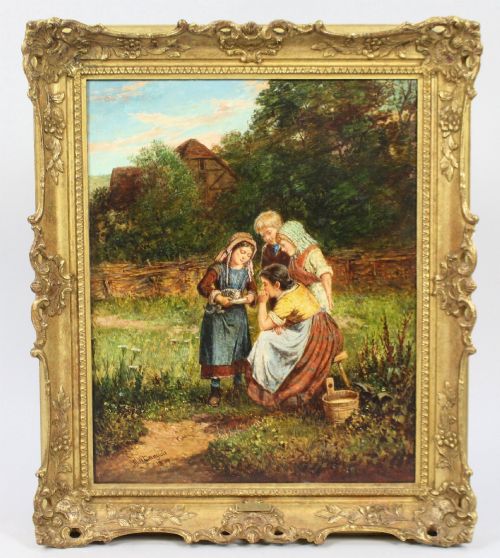
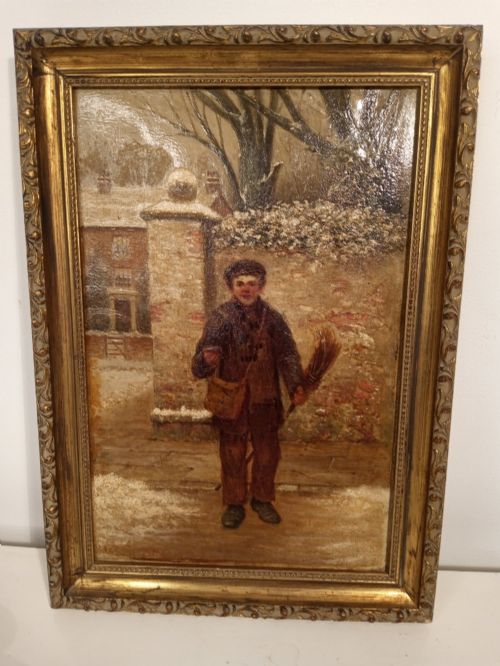
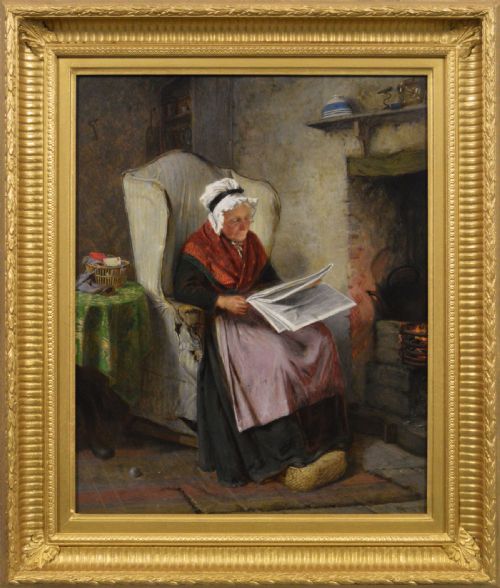
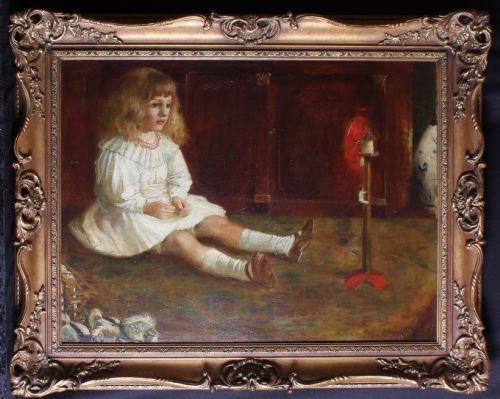
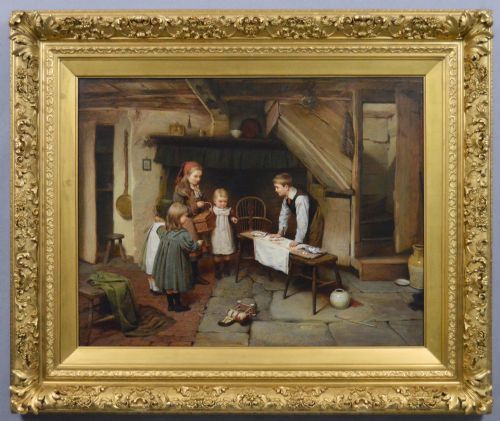
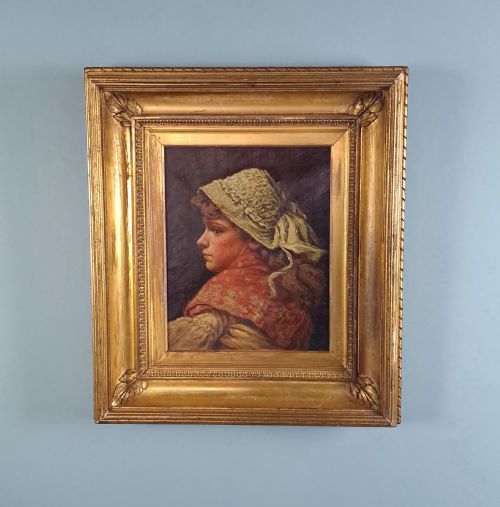
A British genre canvas depicts scenes of everyday life, ordinary people, and domestic interiors created across the nineteenth and early twentieth centuries. These paintings record domestic moments, rural tasks, and social encounters, reflecting the changing tastes of Victorian and Edwardian society.
The most common examples on this page date from the Victorian era up to the Edwardian period, often executed in oil on canvas. They range from intimate cottage scenes with children and mothers to historical genre pieces featuring figures in period costume.
Makers represented span known Royal Academicians and regional painters who specialised in figurative narratives. Works often bear the signatures or inscriptions of artists active in British artistic circles during the 1800s and early 1900s.
How They Were Made
These works rely on oil paint applied to woven canvas supports, allowing artists to build rich layers of colour and fine detail. Canvas was stretched over wooden frames, providing a stable surface for the oil medium.
Frames frequently incorporate wood, gesso, and giltwood, often finished with gold leaf to complement the warm tones of the oil painting within. The interaction between the painted surface and the gilded frame forms an integral part of the finished object.
British Genre Canvas Retail Price Guide 2026
Typical asking prices for british genre canvas among the pieces listed under this phrase on Sellingantiques today, from the lower quarter to the upper quarter. They describe what is for sale here now, not the wider market.
Several canvases capture domestic tranquility interrupted, including an unexpected shaving ritual and children feeding kittens.
What Varies in Quality
Quality in a British genre canvas rests upon the artist's ability to handle narrative expression and human anatomy. Finer works display subtle handling of facial expressions and interior light, whereas lesser pieces can feel stiff or overly formulaic in their composition.
The preservation of the original paint surface and the condition of the canvas heavily influence the integrity of the piece. Works that retain their original stretchers and period giltwood frames hold greater visual harmony than those altered or poorly restored over time.
Thomas Webster RA·Jessie Hamilton·Edward Holmes RBA·Valentine T Garland·John Opie RA·Mark William Langlois·Alfred Lyndon Grace·Harry Brooker·Byam Shaw·Alexander Rosell·John Arthur Lomax·John Watkins Chapman·Haynes King·John Sanderson Wells·Robert Alexander Hillingford·George Smith·Edwin Hughes·Alfred Holst Tourrier·Frank Moss Bennett·Ralph Hedley RBA·Andrew Young·Jane Maria Bowkett·Vernon Stokes·Daniel Pasmore·Sydney Kendrick
The British Genre Canvas Glossary
- Genre Painting
- A pictorial representation of scenes from everyday life, involving ordinary people engaged in common activities. This style contrasts with historical, portrait, or landscape art by focusing on the mundane and domestic.
- Oil on Canvas
- A technique where oil paint is applied to a stretched fabric support, usually made of linen or cotton. This combination allows for rich blending and textured brushwork.
- Giltwood
- Wood that has been coated with gold leaf or gold paint, frequently used for decorative antique picture frames. It adds a reflective border that enhances the depth of the oil painting.
- Gesso
- A paint mixture consisting of a neutral binder mixed with chalk, gypsum, or pigment, used to prepare wood or canvas surfaces. In framing, it provides a smooth base for subsequent gilding.
- Royal Academician
- An artist elected as a full member of the Royal Academy of Arts in London. Membership indicates a high standing in the British art establishment of the period.
British Genre Canvas: Frequently Asked Questions
What subjects appear in these paintings?
The subjects focus on daily human experiences, including children playing, cottage interiors, and rural workers. Painters recorded domestic rituals, street scenes, and historical vignettes.
These narratives offer a direct look into social customs and domestic spaces of the nineteenth and early twentieth centuries.
How should I hang an oil painting?
Choose a wall away from direct sunlight and sudden temperature changes to protect the oil paint and canvas. Secure the piece using appropriate fixings suited to the weight of the frame.
Ensure the painting hangs at eye level to best appreciate the detail and narrative composition.
Are these canvases signed by the artist?
Many examples feature signatures, monograms, or contemporary inscriptions on the front or reverse of the canvas. Some pieces also retain historical labels detailing the title or previous exhibition history.
Unsigned works still reflect the distinct hand and style of British schools from the period.
How do I care for giltwood frames?
Dust the frame gently with a dry, soft brush to prevent the accumulation of dirt on the gesso and gold leaf. Avoid using water or liquid cleaners, which can damage the delicate gilded surface.
Keep the frame away from direct heat sources to prevent the wood from warping.