

Traditional Victorian Painting
Traditional victorian painting brings nineteenth-century domestic scenes, landscapes, and portraits into a room through layered brushwork on canvas.
Traditional Victorian Painting
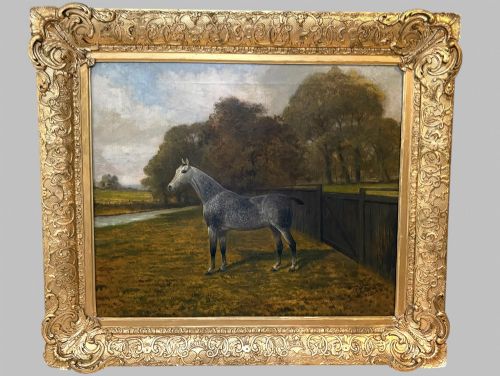
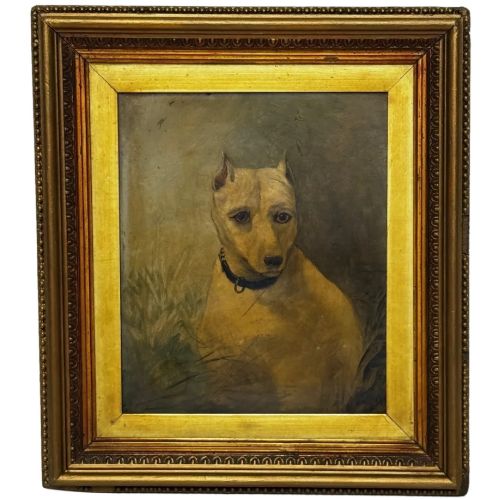
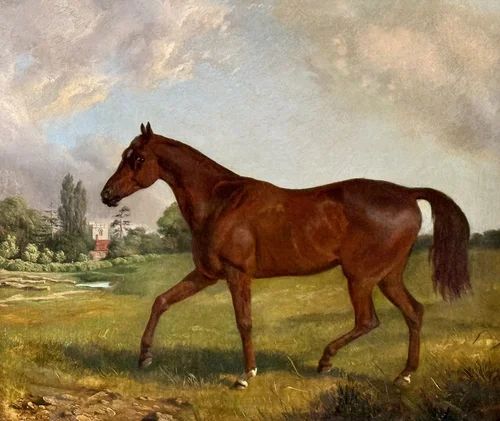
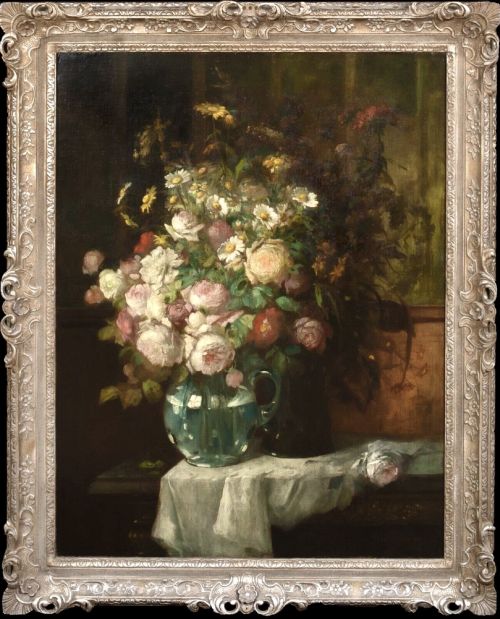
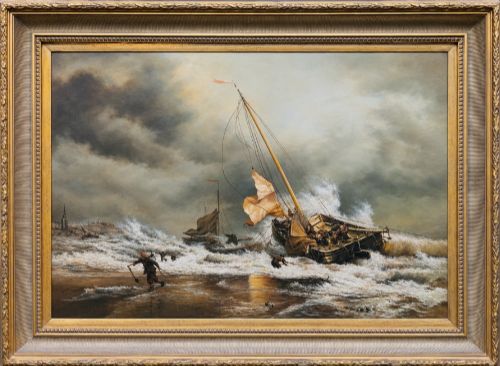
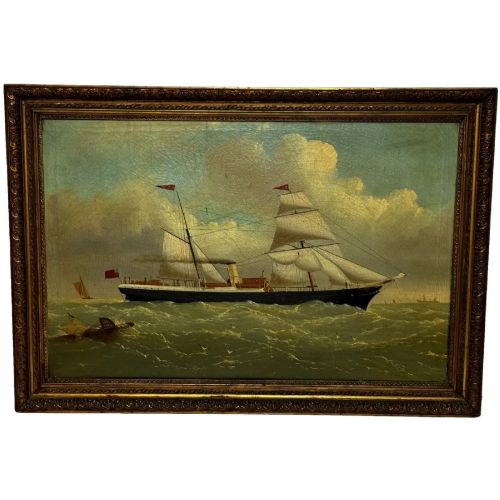
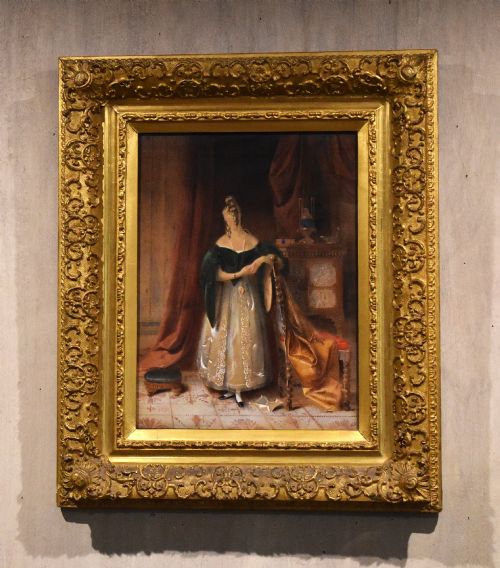
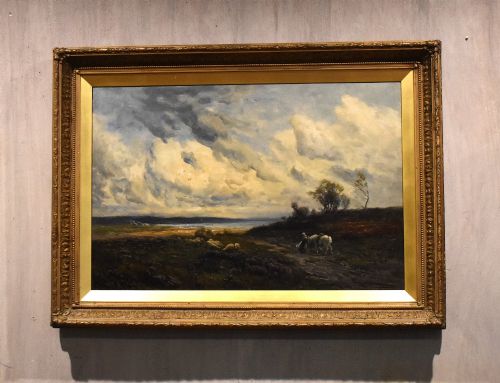
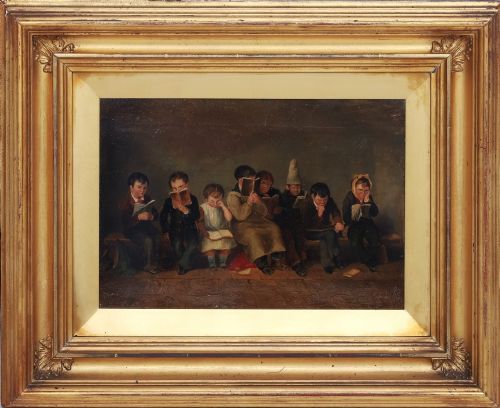
Traditional victorian painting covers nineteenth-century oil and watercolour works depicting rural landscapes, agricultural animals, and figurative genre scenes. Buyers seek these canvases for their rich narrative depth and historical atmosphere.
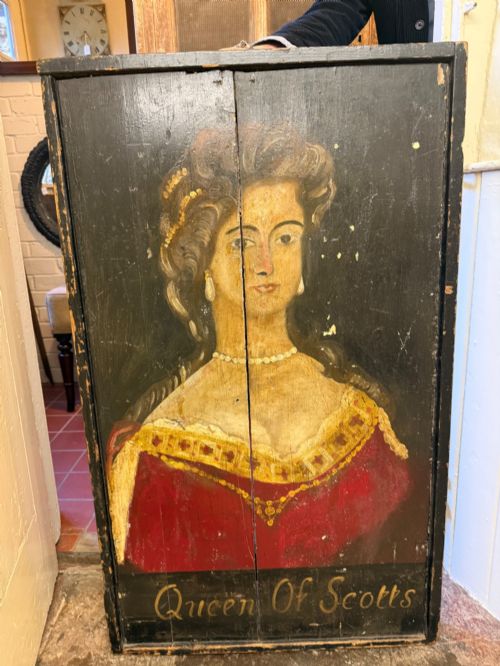
The selections span small oil sketches of farm animals alongside large framed portraits of society figures and expansive river views. Most pieces originate from the broader nineteenth century and early twentieth century.
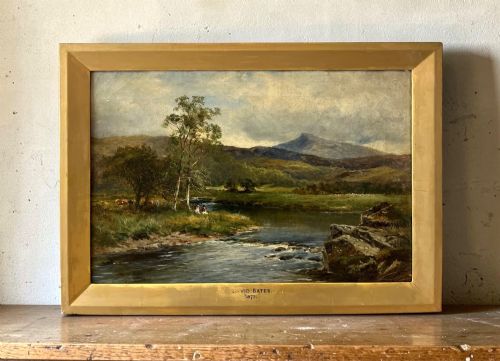
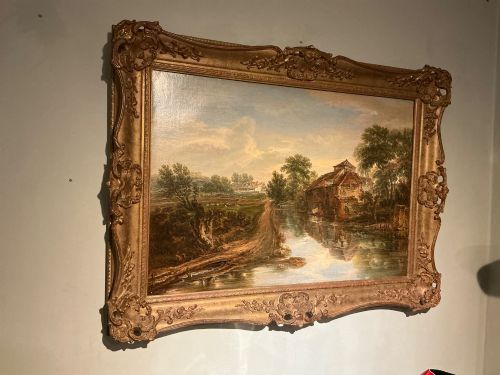
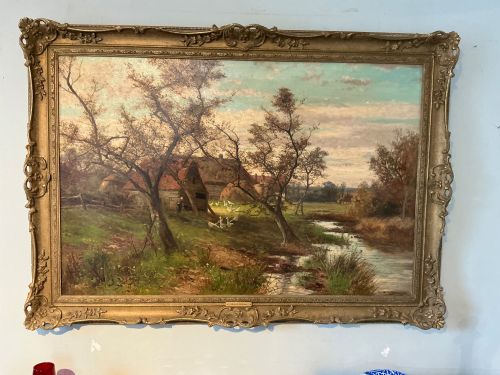
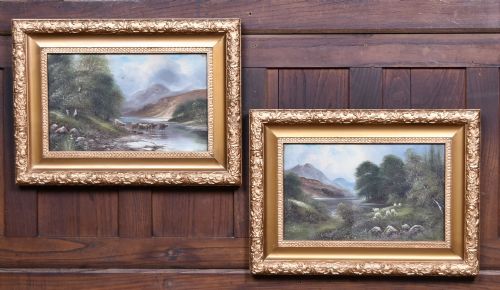
Framed landscapes dominate the selection, often featuring pastoral settings with figures, cattle, or highland topography. Works on canvas sit alongside watercolours executed on paper.
Materials and Technique
Artists painted primarily with oil colours applied to woven canvas stretched over wooden frames, or occasionally upon prepared wooden boards. Brushes of varying firmness laid down both thick impasto highlights and thin translucent glazes.
Watercolours utilised water-soluble pigments brushed onto heavy paper stock to create transparent washes of tone and light. Frames often consisted of carved wood finished with applied gilt layers.
Traditional Victorian Painting Retail Price Guide 2026
Typical asking prices for traditional victorian painting among the pieces listed under this phrase on Sellingantiques today, from the lower quarter to the upper quarter. They describe what is for sale here now, not the wider market.
Listings feature works spanning the nineteenth century, Victorian era, and early twentieth century, utilising oil paint, watercolour, canvas, wood, and brass.
Execution and Detail
Quality rests in the precision of the drawing and the control over tonal gradation within the composition. Stronger works demonstrate assured handling of light falling across figures, foliage, or water.
Lesser examples rely on formulaic repetition without careful observation of anatomy or perspective. The depth of the pigment layers and the preservation of the original support surface distinguish finer output.
Thomas Webster RA·Benjamin Davis·Percy Robertson·Edward Robert Smythe·William Mellor·Thomas Faed RA·Alex Burb·Fred Solway Merriman·Hugh Barry scott·William Duffield·Thomas Sidney Cooper·Erskine Nicol·Fred Archer·James Albert Clark·Benjamin Williams Leader RA·John Wilson Ewbank
The Traditional Victorian Painting Glossary
- Oil paint
- A slow-drying paint made by mixing pigments with a drying oil such as linseed. This medium allows artists to blend tones smoothly and build rich textures.
- Watercolour
- A paint consisting of pigment suspended in a water-soluble binder. It produces luminous washes on paper rather than opaque surface layers.
- Canvas
- A heavy woven fabric used as a surface for oil painting. It is stretched tightly across a wooden frame before work begins.
- Gilt wood
- Wood decorated with a thin layer of gold leaf or metallic powder. Frames finished in this manner were standard for nineteenth-century fine art.
- Genre painting
- The pictorial representation of scenes from everyday life. These works typically depict ordinary people engaged in common domestic or rural activities.
Traditional Victorian Painting: Frequently Asked Questions
How do I hang a heavy oil painting?
Support heavy framed canvases using appropriate wall anchors secured directly into structural studs rather than plaster alone. Ensure the hanging wire and brackets match the weight of the piece.
Position the centre of the canvas at standard eye level to maintain balanced proportions within the room.
Where should I place these paintings?
Keep works away from direct sunlight, heating vents, and damp walls to protect the canvas and pigments. Stable indoor temperatures prevent the wooden stretcher frames from warping.
Traditional subjects suit living rooms, libraries, and hallways where their narrative character can be appreciated up close.
How do I identify a watercolour?
Watercolours appear on paper surfaces, frequently protected behind glass within a framed mount. The paint layers remain thin and translucent, revealing the texture of the paper underneath.
Oil paintings show textured brushwork or raised pigment on canvas or board without glass protection.
What framing is appropriate?
Nineteenth-century works typically sit within moulded wood frames, often finished with gilt or dark paint. Retaining period framing helps preserve the historical context of the artwork.
Avoid modern metal or minimalist frames that clash with the traditional aesthetic of the canvas.