
19th Century Picture
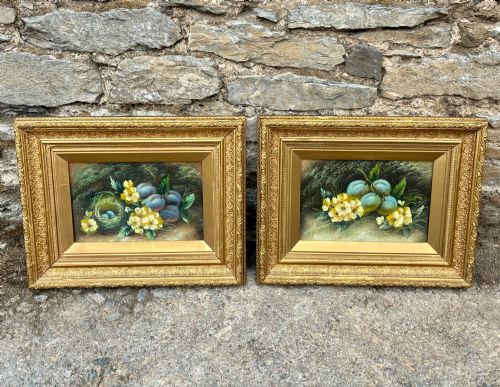
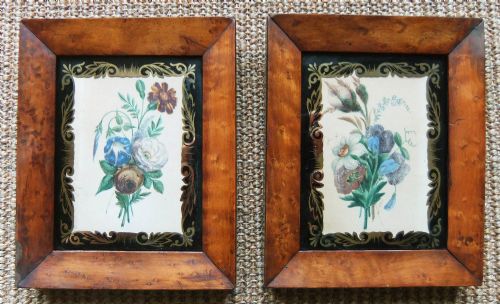
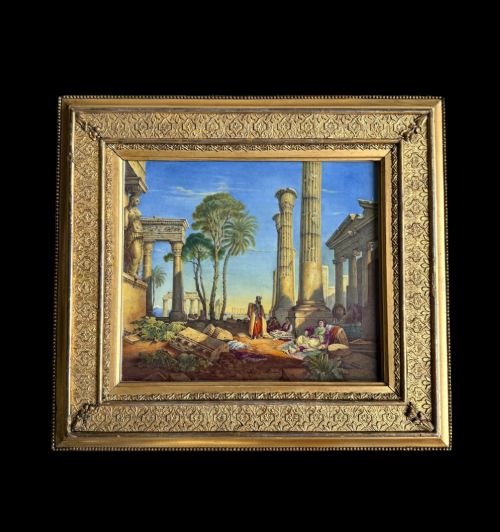
When you search for a 19th century picture, you enter a diverse world of framed artwork, oil paintings, and delicate works on paper.
19th Century Picture
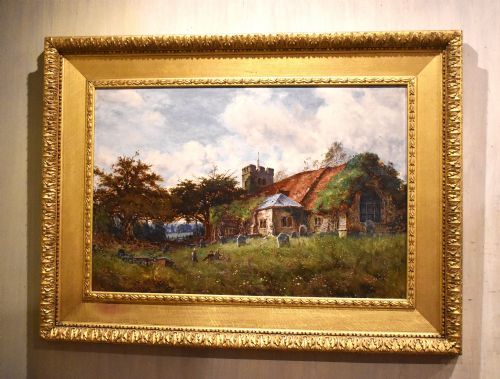
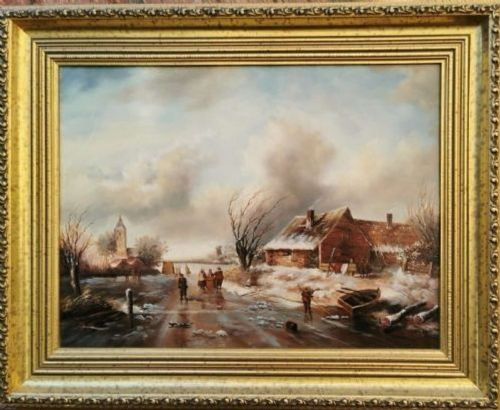
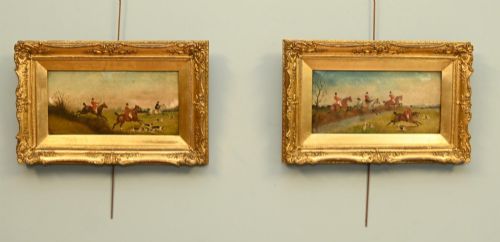
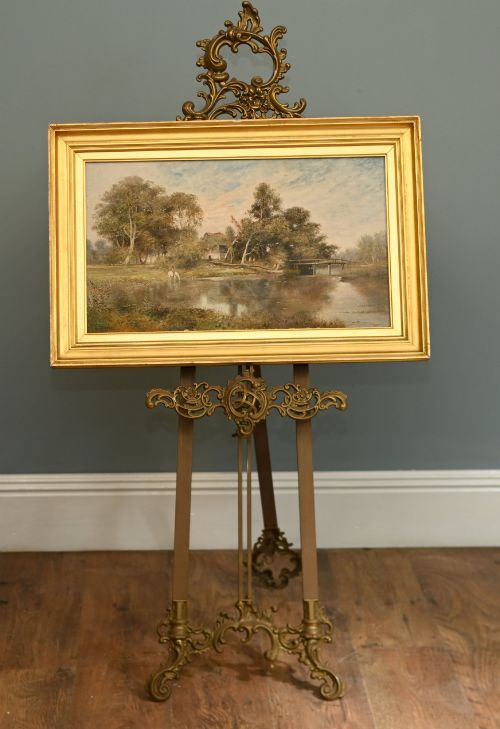
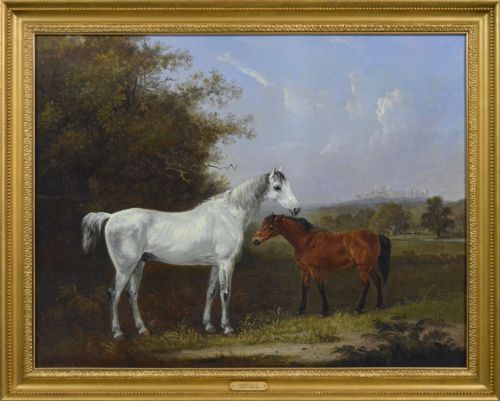
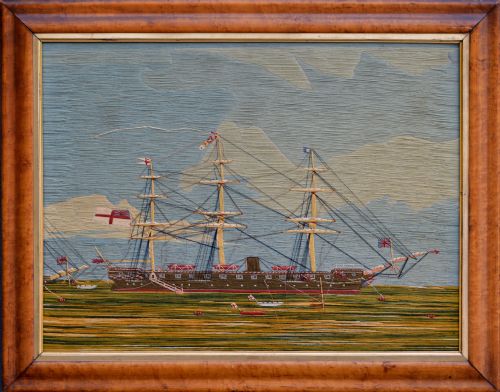
A 19th century picture encompasses oil paintings, watercolours, silhouettes, prints, and decorative needlework pieces produced during the Victorian, Regency, and Georgian periods. Buyers searching this phrase encounter both framed artwork intended for wall display and intimate portraits on paper or wood panels.
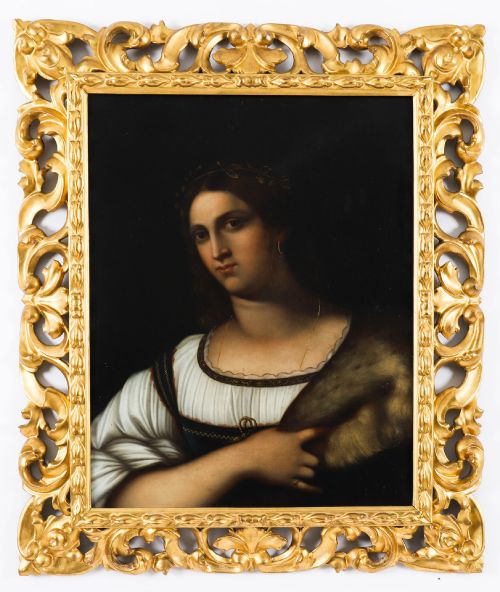
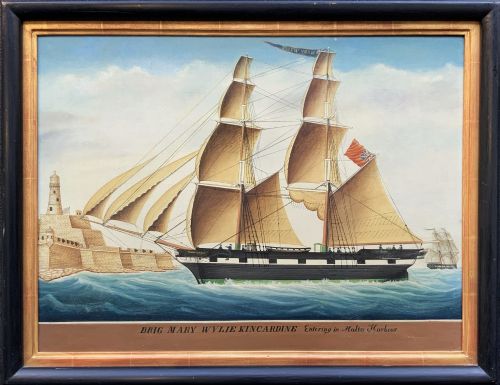
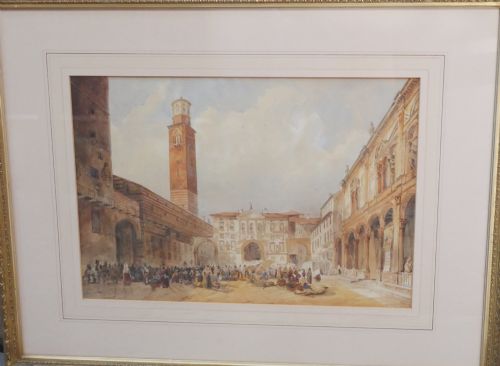
Works originate from various European traditions, including the 19th century French school and British fine art circles, alongside specific regional scenes from Scotland, Wales, and Italy. Portraiture, botanical studies, and marine subjects appear frequently among the available pieces.
How They Were Made
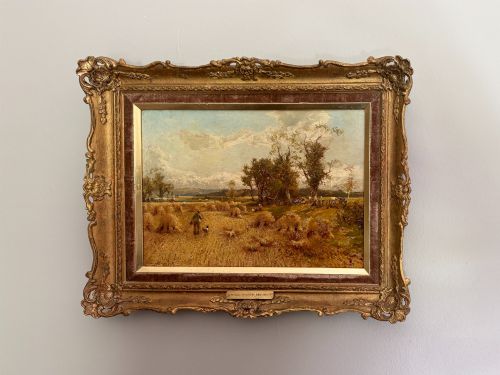
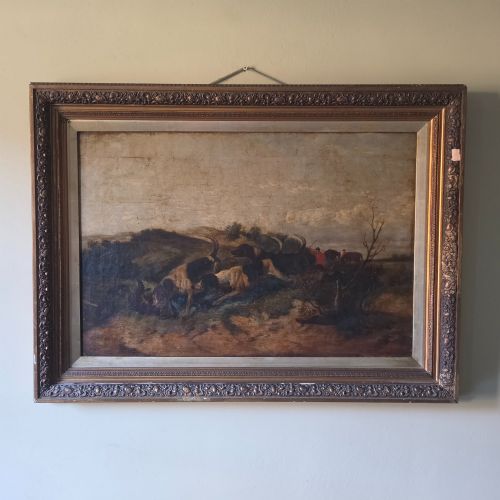
Artists utilised traditional media such as oil on canvas, wood panels, watercolour, bodycolour, pastel, and ink. Paper and glass serve as standard supports for watercolours, silhouettes, and prints, whilst textiles appear in needlework and plushwork creations.
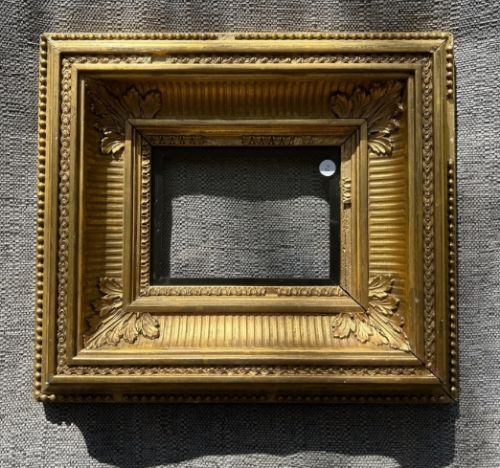
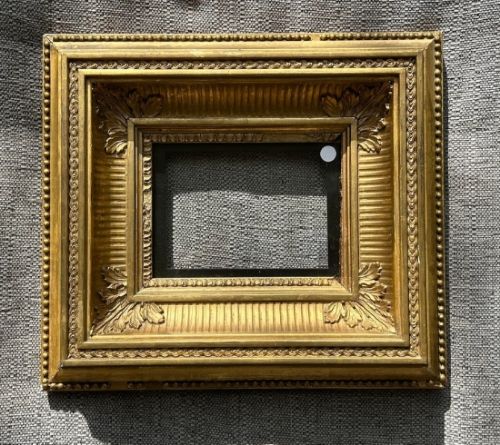
Frames and structural elements employ woods like mahogany, oak, walnut, and rosewood, often enhanced with giltwood, gold leaf, or gilt bronze. Craft techniques extend to hand-carving, collage work, beadwork, and micro mosaic assemblies.
Materials recorded on this site include paper, glass, wood, watercolour, giltwood, and oil on canvas.
What Varies In Quality
The standard of a 19th century picture depends on the precision of the execution, the skill demonstrated in brushwork or delicate cutting, and the preservation of the original medium. Hand-drawn silhouettes and detailed botanical watercolours show distinct levels of draftsmanship.
The material integrity of the framing contributes significantly to the overall piece, with original burr maple, rosewood, or ornate carved giltwood frames retaining higher historical value than later replacements. The survival of signed attributions, dates, or documentation from known artists elevates specific examples.
William James Hubard·GEORGE SYDNEY SHEPHERD·George Fotherly Hargitt·William Henry Earp·John R Prentice·Alfred Young Nutt·Henry Stacy Marks·Edward Bradford·Alfred Fontville de Breanski Jr·Edward Mills·Stephen Samuel Lewin·David Bates·Leon Sprinck·William Powell Frith·BENJAMIN BARKER OF BATH·Vincent Clare·Walter Heath Williams·Augustin Edouart·ROBERT THORNE WAITE·Howard Helmick·Francis Moltino·ALFRED NICHOLSON·Joseph Murray Ince
The 19th Century Picture Glossary
- Watercolour
- A painting method where fine pigment is suspended in water-based solution, commonly applied to paper. This medium was widely used for botanical studies and landscapes throughout the period.
- Silhouette
- A cutout or painted profile portrait, usually in black, showing a subject in outline. Early examples often feature delicate ink or gold highlights.
- Giltwood
- Wood that has been coated with a thin layer of gold leaf or powder. It is frequently found on ornate picture frames of the era.
- Berlin Work
- A type of coloured wool needlework stitched on canvas from charted patterns. It gained immense popularity during the Victorian era for domestic interiors.
- Rebate
- The recessed groove on the inner back edge of a picture frame designed to hold the artwork and glass securely in place.
19th Century Picture: Frequently Asked Questions
How do I care for a paper picture?
Keep watercolours and prints away from direct sunlight to prevent the pigments and paper from fading over time.
Display them in stable indoor environments to avoid humidity damage to the paper support and original framing.
Are original frames important?
Original frames made from burr maple, rosewood, or carved giltwood preserve the historical context and integrity of the artwork.
Matched frames enhance the visual presentation and overall collectability of the piece.
What is needlework art?
Needlework art involves decorative stitching using wool or silk on canvas, creating textured pictures such as Berlin work.
These pieces were typically framed behind glass to protect the delicate textile fibres from dust and wear.
How do I identify a silhouette?
Silhouettes feature profile portraits cut from black paper or painted onto card, often accented with delicate ink details.
Many 19th-century examples include handwritten signatures, studio stamps, or biographical notes on the reverse.