

Antique Oil Figure Art
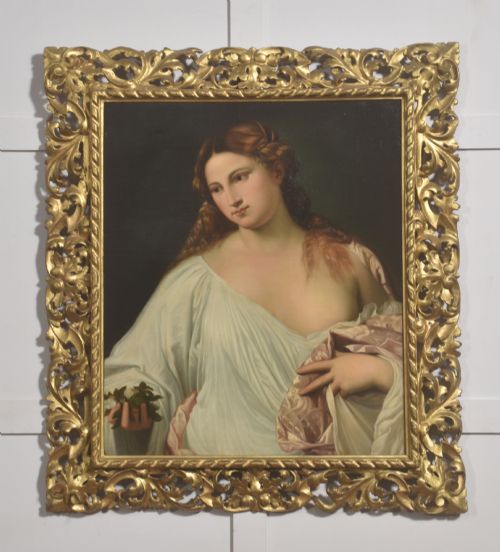
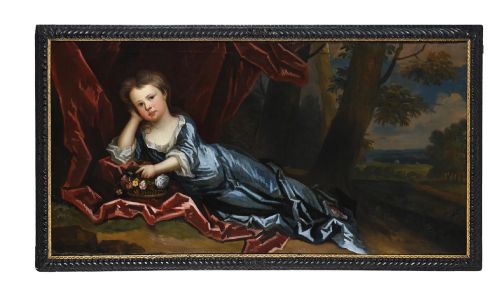
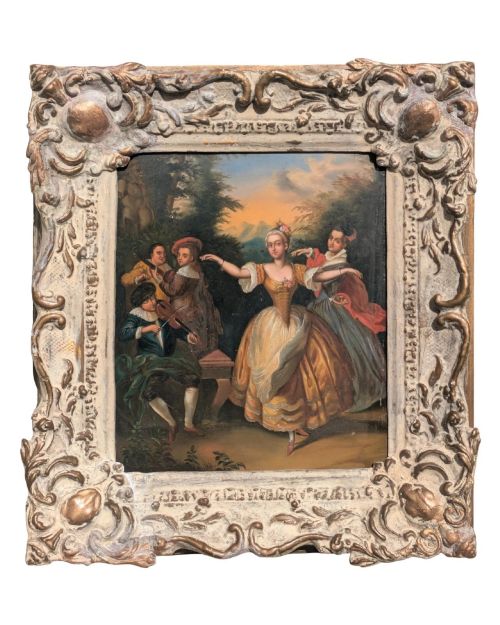
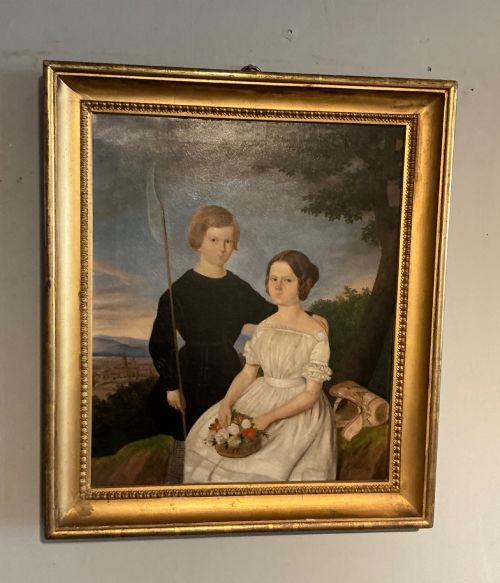
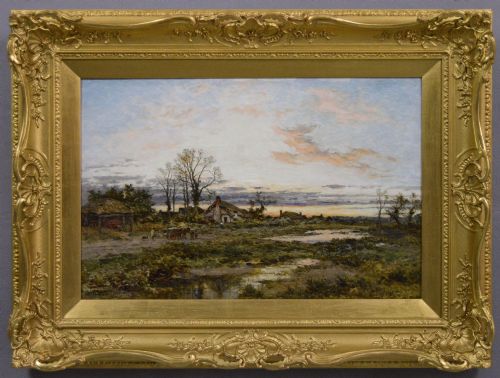
Antique oil figure art brings historical portraiture, genre scenes and narrative compositions into a room through pigment applied directly to canvas, panel or copper.
Antique Oil Figure Art
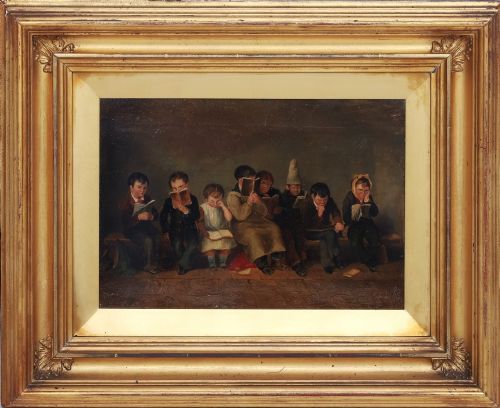
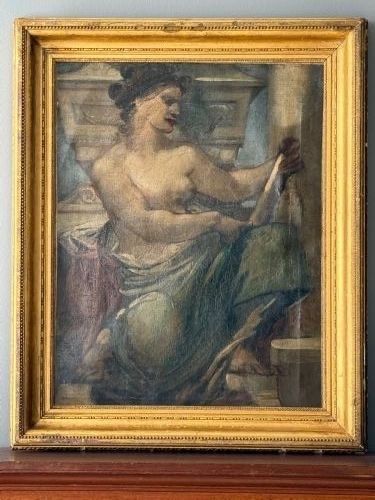
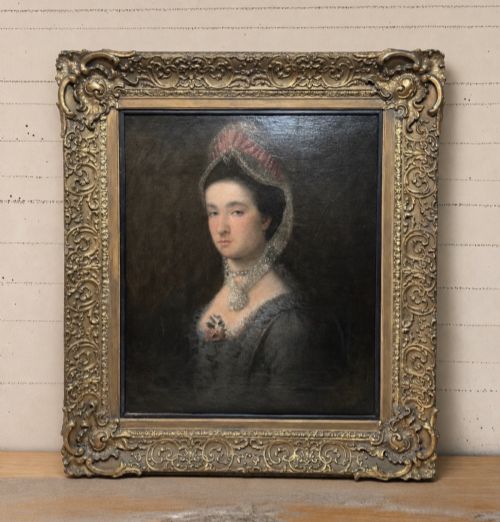
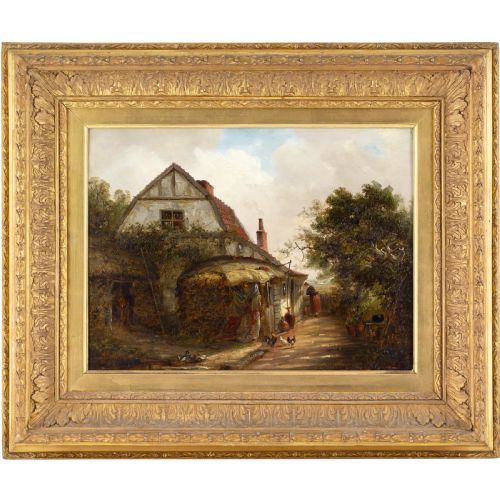
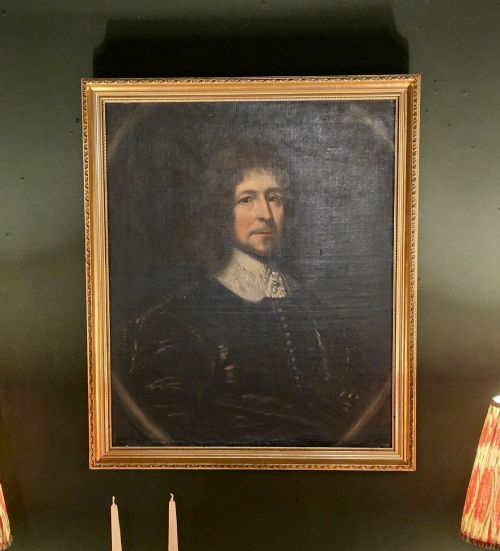
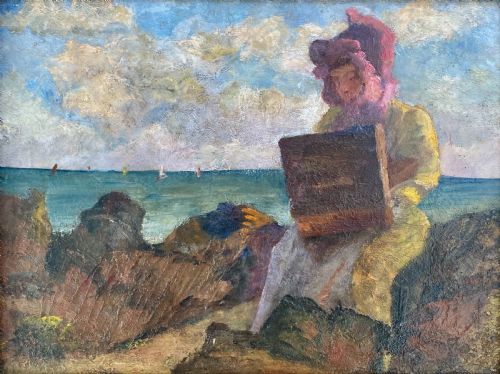
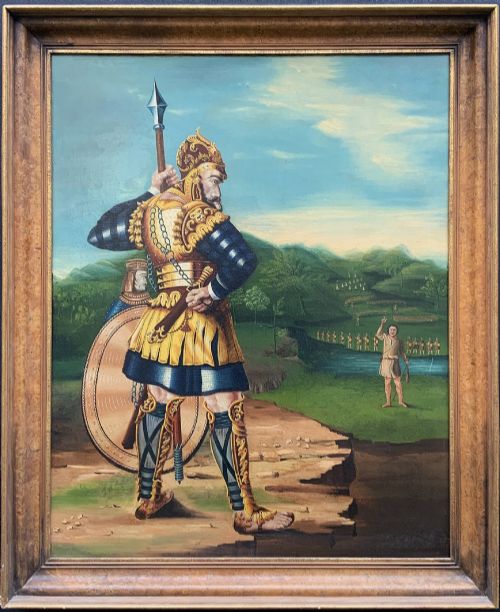
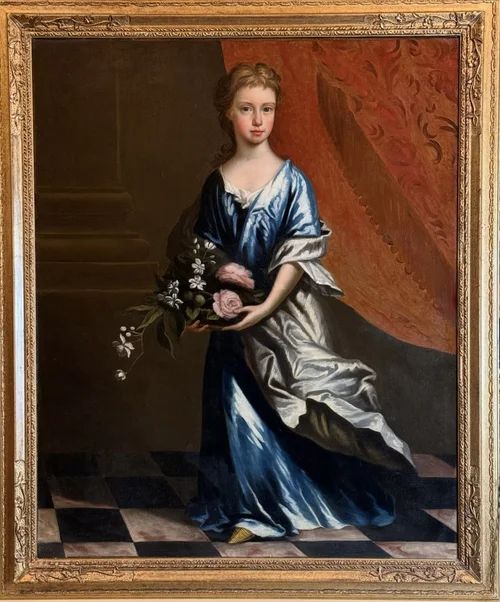
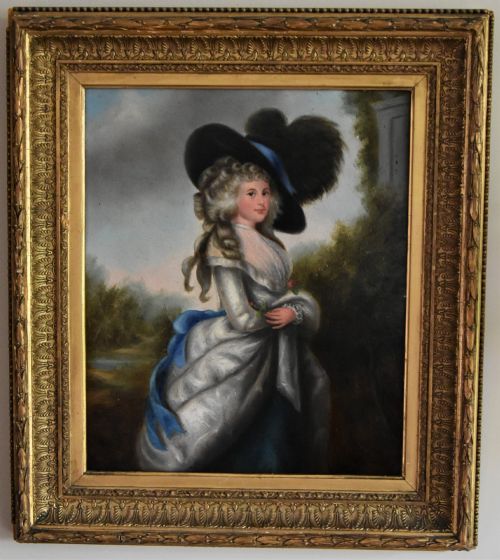
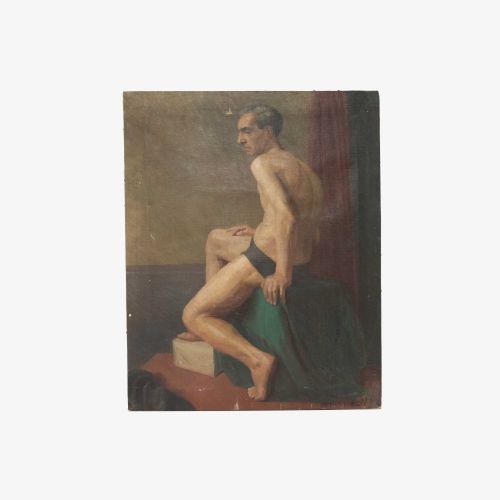
Antique oil figure art encompasses centuries of painted human representation, stretching from formal seventeenth-century portraiture to nineteenth-century genre scenes and early twentieth-century impressions. When exploring antique oil figure art, buyers commonly encounter works depicting single subjects, family groups, mythological characters and anonymous rural labourers.
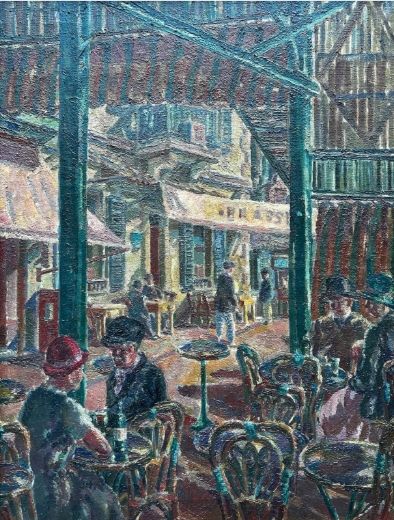
The selections span distinct periods including the seventeenth, eighteenth and nineteenth centuries, alongside early twentieth-century iterations. British, French and Italian schools dominate the output, reflecting regional preferences for portraiture, mythological narration and everyday Parisian street life.
Works appear in various formats, from intimate cabinet studies on wooden boards and copper plates to large-scale canvas compositions. Framing ranges from simple mouldings to heavy, carved giltwood constructions that amplify the presence of the central painted figures.
Materials and construction methods
Artists built these compositions primarily using oil paint applied to stretched canvas, wooden panel, copper or paper boards. Pigments were ground by hand in earlier centuries and later sourced from tubes, mixed with drying oils to achieve transparency, impasto and smooth tonal gradation.
Support structures varied according to the era and region, with seventeenth-century works frequently utilising heavy wooden panels or coarse linen canvases prepared with gesso grounds. Giltwood and gesso frames provided structural support and ornamentation, often carved with intricate decorative motifs that complemented the visual weight of the paintings.
Antique Oil Figure Art Retail Price Guide 2026
Typical asking prices for oil figure art among the pieces listed under this phrase on Sellingantiques today, from the lower quarter to the upper quarter. They describe what is for sale here now, not the wider market.
A persistent sixteenth-century dog makes unexpected appearances across centuries of oil painting, guarding quiet corners of empty rooms.
Distinctions in quality
Quality in antique oil figure art rests upon the anatomical precision, handling of light and psychological depth achieved by the painter. Masterful brushwork breathes life into facial expressions and drapery, whereas lesser examples rely on stiff symmetry and formulaic coloration.
The integrity of the original support surface and the preservation of the paint layers influence the standing of a piece. Works retaining their untouched surfaces and period frames demonstrate superior survival through the centuries compared to those suffering extensive overpainting or structural canvas relining.
Edward Robert Smythe·Charles D Agar·Antoine Watteau·Benjamin Williams Leader·Edward Holmes RBA·Carlo Ferranti·William Oliver·Joshua Reynolds·Robert John Hammond·Walter Heath Williams·Francisco Sancha·Guillaume Courtois
The Antique Oil Figure Art Glossary
- Oil on Canvas
- Pigment mixed with drying oil applied to a woven fabric support stretched across a wooden frame. This method became the dominant painting medium from the Renaissance onwards due to its flexibility and depth of colour.
- Genre Painting
- Depictions of everyday subjects and ordinary people engaged in common activities rather than grand historical or mythological themes. These scenes provide social insight into domestic life and outdoor labour across different centuries.
- Giltwood
- Wood that has been coated with a thin layer of gold leaf or gold paint for decorative effect. Elaborate giltwood frames often house historical oil paintings to enhance their visual prominence.
- Gesso
- A white paint mixture consisting of a binder mixed with chalk, gypsum or pigment, used as a prepared surface for painting. It provides a smooth, stable ground on wood panels and canvases before the application of oil colours.
- Old Master
- A term applied to European painters of skill working before about eighteen hundred. These artists produced significant figurative and landscape works within established historical traditions.
Antique Oil Figure Art: Frequently Asked Questions
How do I care for antique oil paintings?
Keep paintings away from direct sunlight, high humidity and dramatic temperature fluctuations that can cause canvas to warp or paint to crack.
Dust surfaces gently with a soft, dry brush without applying moisture or chemical cleaning agents.
What is the difference between canvas and panel?
Canvas consists of woven fabric stretched over a wooden frame, offering flexibility and a textured surface for brushwork. Wood panels provide a rigid, flat foundation favoured by earlier artists for fine detail work.
Both materials require stable environmental conditions to preserve the paint layers above.
Where should I hang figure art?
Select an interior wall with stable lighting and minimal exposure to heat sources such as fireplaces or radiators. Position the artwork at eye level to appreciate the details of the brushwork and facial expressions.
Ensure the wall structure can support the weight of both the painting and its heavy frame.