



British Army Portrait
When you search for a british army portrait, you encounter painted records of officers and soldiers spanning centuries of military history.
British Army Portrait
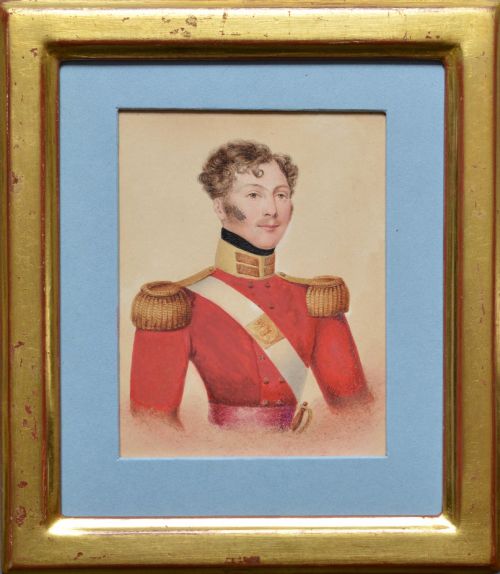
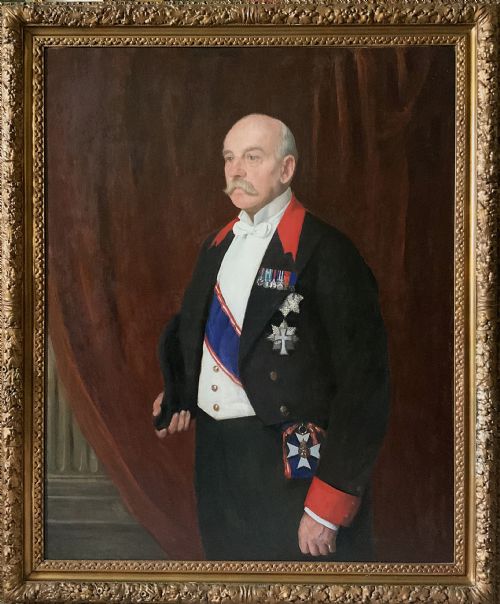
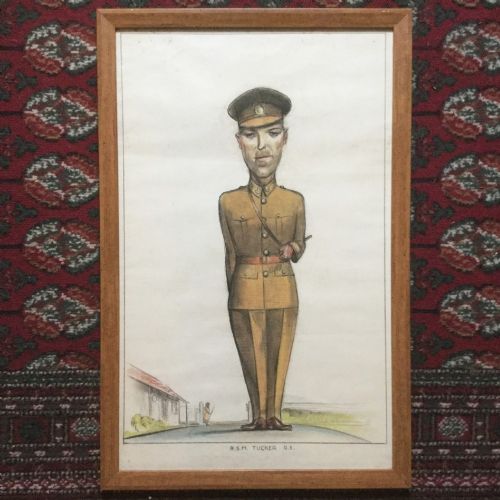
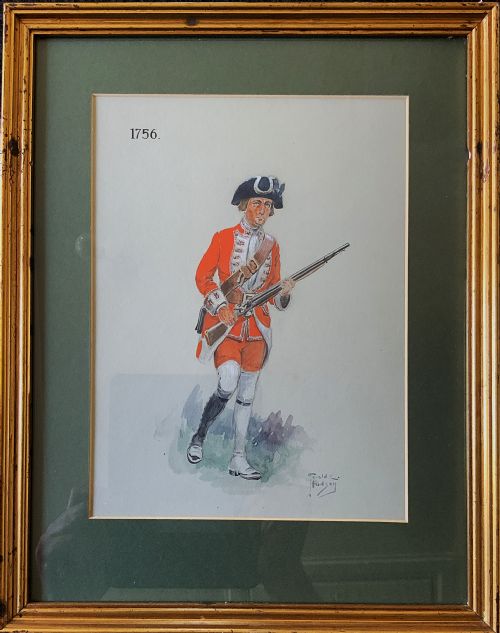
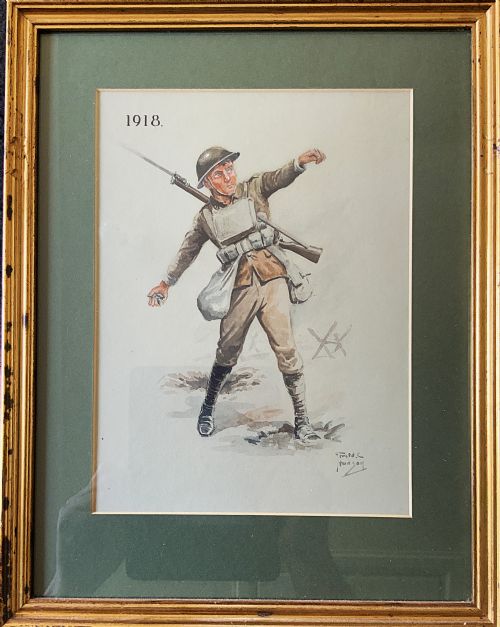
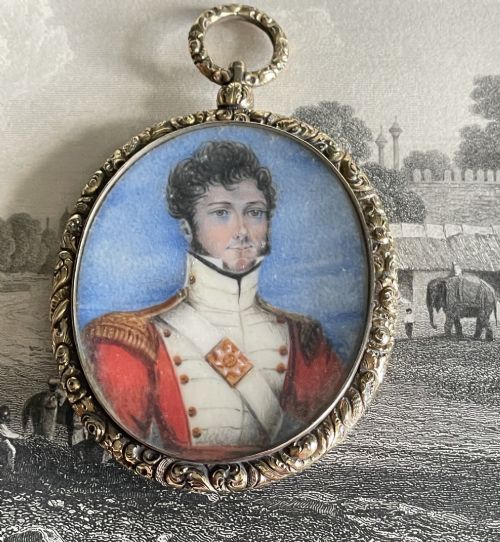
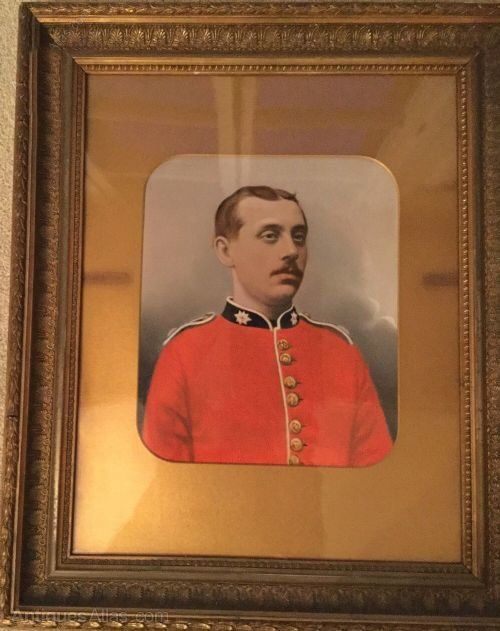
A british army portrait captures the likeness of military personnel from various campaigns and eras, executed in mediums ranging from delicate miniatures to large oil canvases. These works record the changing uniforms, regimental insignia, and facial expressions of officers and guardsmen through the decades.
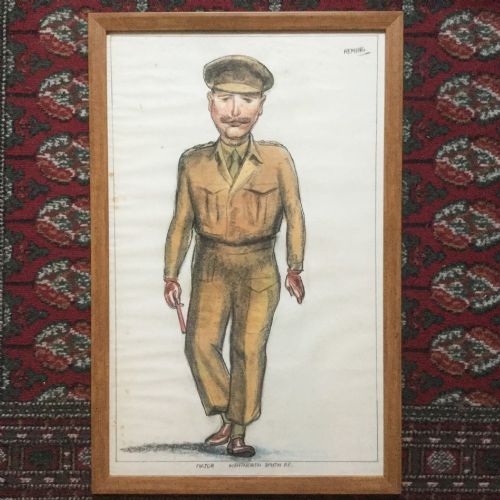
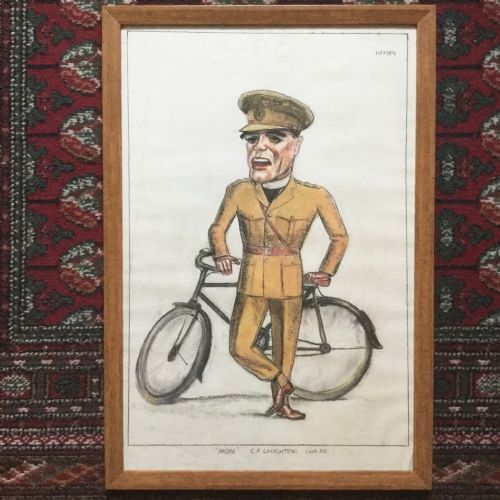
The selections available here lean heavily toward nineteenth-century oil paintings and twentieth-century wartime sketches. Examples include depictions of major generals, captains, and guardsmen rendered in oil, watercolour, and pastel.
Works originate from distinct periods such as the Georgian, Victorian, and mid-century eras, reflecting the prevailing artistic conventions of their respective times. Collectors encounter both formal commissioned pieces and immediate wartime illustrative records.
How they were made
Artists utilised oil on canvas for substantial commissions, building rich layers of pigment to capture the texture of red coat tunics and gold braided shoulder epaulettes. Smaller works relied on paper supports for watercolour, wash, pastel, and gouache to produce rapid, descriptive likenesses.
Frames form an integral part of the construction, with gilt wood and swept frames frequently housing the canvas or paper. Glass protection is commonly found on portrait miniatures and delicate watercolours to preserve the paper and pigments beneath.
British Army Portrait Retail Price Guide 2026
Typical asking prices for british army portrait among the pieces listed under this phrase on Sellingantiques today, from the lower quarter to the upper quarter. They describe what is for sale here now, not the wider market.
Listings feature paper, glass, oil on canvas, wood, gouache, pastel, and gilt wood across multiple historical periods.
What varies in quality
The fidelity of the likeness and the precision of the uniform details distinguish a superior portrait from a standard record. Hand execution in brushwork reveals the artist's ability to render facial expression and fabric texture convincingly.
The integrity of the original framing, particularly ornate gilt wood surrounds, influences the overall presentation and historical coherence of the piece. Condition of the underlying paper or canvas, free from excessive restoration, determines the endurance of the artwork.
Henry Hoppner Meyer·Ruth Cecil Latter·William Edward Millner·Leslie Moore·George Duncan Beechey·Sir Richard Westmacott
The British Army Portrait Glossary
- Portrait miniature
- A small-scale painting executed with fine detail, frequently created on ivory, vellum, or paper during the eighteenth and nineteenth centuries.
- Gouache
- An opaque water-based medium that provides solid colour application and distinct highlights in works on paper.
- Regiment
- A permanent unit of an army commanded by a colonel, whose specific uniforms and insignia provide crucial dating evidence in military art.
- Swept frame
- An ornate wooden picture frame featuring curved moulding sweeps and decorative corner ornaments popular in period framing.
- Wash
- A thin, transparent layer of diluted watercolour or ink used to establish tonal depth and shadow.
British Army Portrait: Frequently Asked Questions
How do I identify the regiment?
Uniform details such as collar badges, shoulder epaulettes, and tunic colours offer direct clues to the specific regiment depicted in the artwork.
Researching the historical records associated with the named officer often confirms the exact military unit and campaign era.
What periods do these cover?
The works span from the eighteenth century through the Victorian era and into mid-century twentieth-century wartime illustrations.
Earlier pieces typically feature Georgian and Regency uniforms, while later examples document twentieth-century conflicts and personnel.
Where should I hang these?
These pieces require placement away from direct sunlight to protect sensitive watercolours, pastels, and oil pigments from fading.
Displaying them in studies or libraries complements their historical military subject matter and traditional framing.
Are watercolours as durable as oils?
Watercolours on paper demand protective glass and stable indoor humidity to prevent degradation of the delicate pigments.
Oil paintings on canvas generally offer greater physical resilience against environmental changes over the centuries.