



British Architectural Study
A british architectural study captures buildings and street scenes through drawn and painted works across multiple centuries.
British Architectural Study
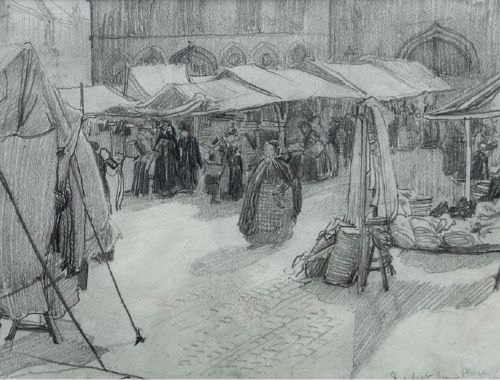
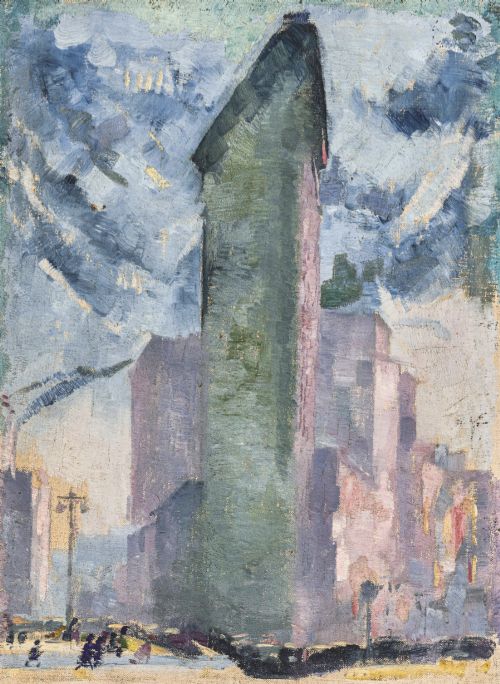
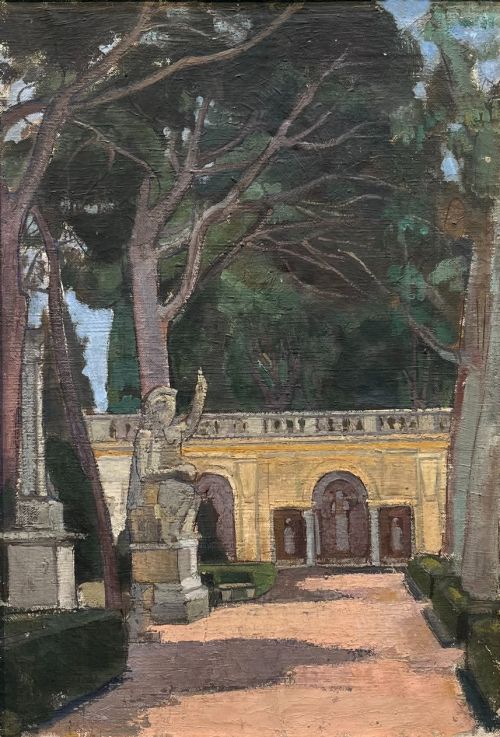
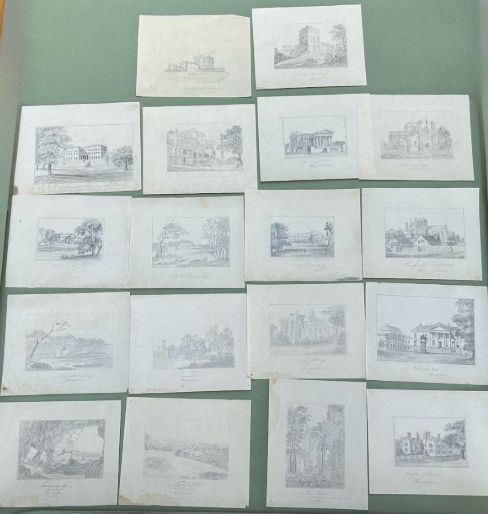
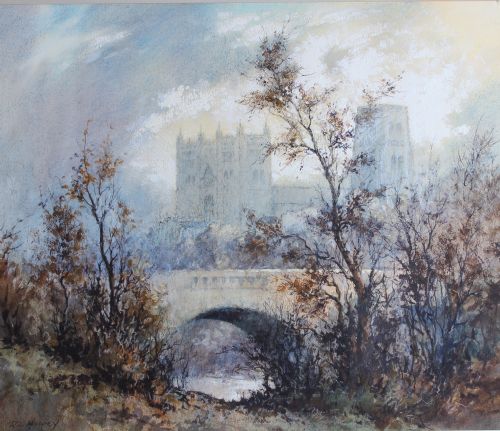
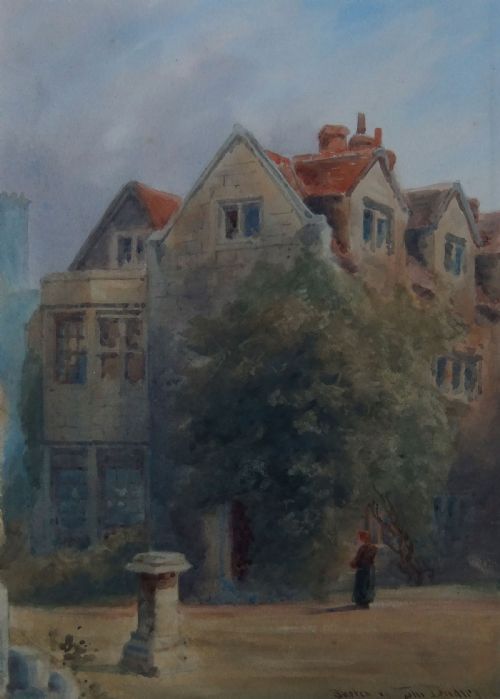
A british architectural study encompasses original drawings, watercolours, and oil paintings depicting buildings, street scenes, and landscapes from the nineteenth and twentieth centuries. These works range from early nineteenth century pencil sketches of Hampshire landscapes to mid twentieth century cityscapes and collegiate court views.
The pieces on this page document specific locations across Britain and abroad, including London landmarks, Cambridge colleges, northern cathedrals, and overseas street scenes. Collectors encounter works executed in pencil, graphite, charcoal, watercolour, and oil on canvas.
Dating spans from the early eighteen hundreds through the Edwardian era and into the nineteen sixties, reflecting changing approaches to capturing built environments. Artists record historic domestic architecture, formal halls, markets, and coastal homes with varying degrees of topographical precision.
How they were made
Artists executed these works using graphite, pencil, charcoal, and pastel on paper, alongside watercolour paint and oil on canvas. Works on paper often utilise cream or white sheets as a base for fine linear work or washes.
Watercolour applications range from delicate transparent washes to heavier bodycolour, while oil paintings employ traditional canvas supports. Draftsmen built up forms through careful line work before applying pigment to define light and shadow on stone and timber surfaces.
One artist captures a bustling funfair helter skelter alongside traditional architectural studies.
What varies in quality
Quality in a british architectural study rests upon the precision of line, the handling of perspective, and the immediacy of the observation. Stronger works convey structural mass and atmospheric light with economy and sureness of hand.
The graduation from standard topographical record to a compelling artistic interpretation depends on compositional balance and tonal control. Works that capture the specific texture of materials such as brick, timber, and stone demonstrate superior draftsmanship.
Henry Percy Huggill·Thomas Ellison·Alfred Wolmark·Robert Leslie Howey·Anne Dorrien Smith·Rowland Henry Hill·Denis William Reed·Peter Toft·John J Hamer·Tom Dudley·Frank Moss Bennett·Joseph Murray Ince·Dennis Flanders
The British Architectural Study Glossary
- Graphite
- A form of carbon used for drawing, capable of producing fine, metallic grey lines of varying hardness. It provides the foundational structure for many architectural sketches before colour is applied.
- Watercolour paint
- Pigment suspended in a water-soluble binder, applied in washes to paper supports. It allows artists to achieve translucent effects and rapid outdoor recording.
- Charcoal
- Burned wood used as a dry drawing medium, producing rich dark marks and broad tonal gradations. It is frequently employed for bold landscape and architectural studies.
- Oil on canvas
- Pigment mixed with drying oil applied to a woven fabric stretched over a wooden frame. This medium allows for rich impasto and layered colour manipulation.
- Topographical
- Representing specific real-world places, buildings, or landscapes with accuracy. Architectural studies often rely on this documentary approach to record historic structures.
British Architectural Study: Frequently Asked Questions
What is a british architectural study?
A british architectural study is a drawing, watercolour, or oil painting depicting buildings, streetscapes, and collegiate or domestic architecture. These works serve as both artistic interpretations and historical records of built environments.
Creators range from amateur sketchers recording local scenes to professional artists documenting urban landmarks across Britain and continental Europe.
How do I date these artworks?
Dating relies on stylistic evidence, artist signatures, inscriptions, and framing materials associated with specific periods from the early nineteenth century to the mid twentieth century. Costume, vehicle types, and architectural modifications depicted within the scene also provide chronological clues.
Many works bear contemporary pencil inscriptions identifying the precise location and year of execution on the reverse or margin.
How should I frame works on paper?
Works on paper require conservation mounting using acid-free materials to prevent discolouration and degradation over time. Keeping the paper surface from direct contact with the glazing ensures the preservation of fragile graphite, charcoal, and watercolour media.
Displaying these pieces away from direct sunlight protects fugitive pigments from fading.
Where were these architectural studies created?
Artists produced these studies both on location as plein-air observations and within studios based on preliminary sketches. Locations span English universities, London streets, northern cathedrals, and overseas destinations.
Inscribed titles often name specific buildings, towns, or institutions recorded by the artist.