




Brienz Wood Carving Bear
These brienz wood carving bear figures bring character to any room through expressive animal forms and detailed timber work.

Brienz Wood Carving Bear
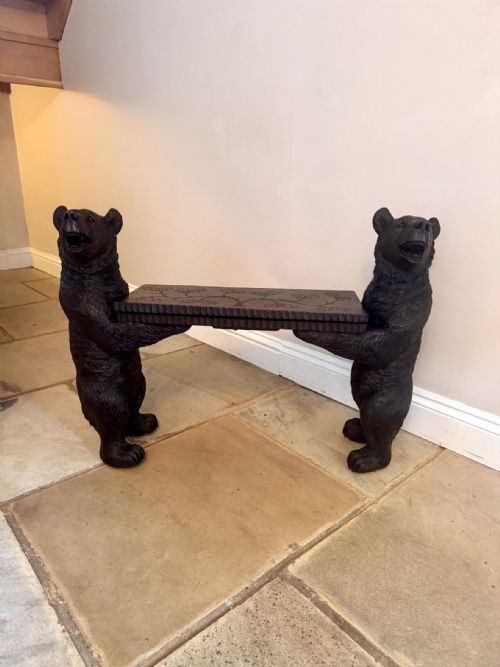
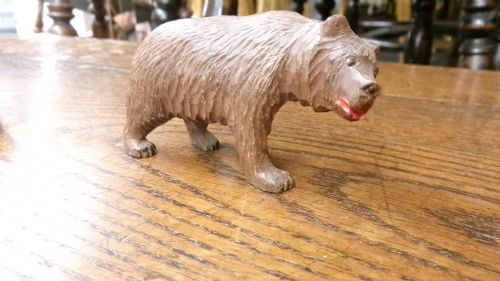
When you search for a brienz wood carving bear, you encounter sculpted wooden animals ranging from small tabletop figures to large hall stands and stick stands. The pieces you meet most often on this page date from the nineteenth century into the early twentieth century and belong to the Black Forest and Swiss folk art traditions.
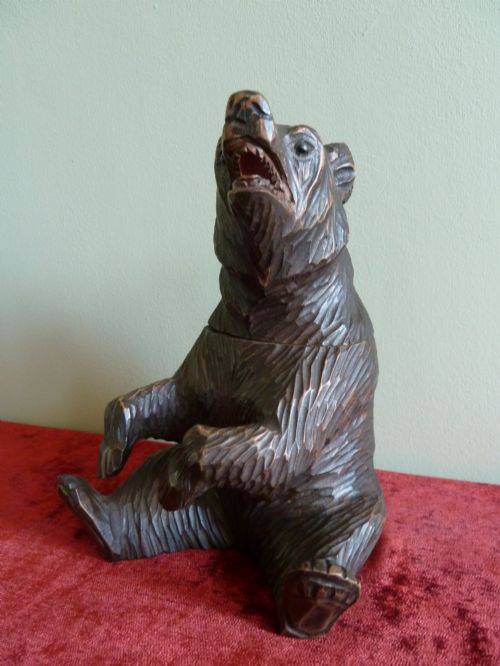
Forms vary from miniature models and condiment figures to functional items such as tobacco holders, humidors, tobacco boxes, inkwells, and pairs of standing bears. These carvings capture bears in lifelike or whimsical poses, sometimes interacting with logs or sporting stud eyes.
Origins trace primarily to Swiss and European workshops producing decorative sculptures and utilitarian objects for Victorian and Edwardian homes. The material palette remains consistent across these forms, relying on pale timber carved with texture to render fur and expression.
How they were made
Carvers shaped these figures predominantly from linden wood and walnut, choosing timbers that accept fine chisel work without splitting. Linden wood offered a soft grain suited to rendering deep fur texture and facial details.
Makers finished the carved wood with painted highlights, glass eyes, or metal fittings where functional elements like inkwells or tobacco jars required hardware. Hand carving ensured each bear received distinct fur patterns and anatomical proportions.
Brienz Wood Carving Bear Retail Price Guide 2026
Typical asking prices for brienz wood carving bear among the pieces listed under this phrase on Sellingantiques today, from the lower quarter to the upper quarter. They describe what is for sale here now, not the wider market.
One miniature set gathers fifteen tiny bears, proving that timber bruins need not be large to command attention.
What varies in quality
Depth of carving and anatomical accuracy separate basic novelties from superior sculptural works. Finer examples display meticulous rendering of musculature, fur texture, and expression rather than generalized blocking.
Scale and function also alter the character of a piece, moving from small miniature figures up to substantial hall stands and double stick stands. Intact original fittings like glass eyes or metal inserts preserve the integrity of the design.
The Brienz Wood Carving Bear Glossary
- Black Forest
- A style of wood carving originating in central Europe during the nineteenth century. It is known for realistic animal sculptures and rustic furniture.
- Humidor
- A moisture-controlled box or jar used for storing tobacco. In this tradition, they were carved into the shape of animals.
- Stick Stand
- A piece of hall furniture designed to hold walking sticks and umbrellas. These often incorporated carved bears holding receptacles.
- Linden Wood
- A pale, fine-grained timber commonly used by carvers for detailed sculpture. It allows for smooth tool marks and gentle curves.
Brienz Wood Carving Bear: Frequently Asked Questions
What were carved bear tobacco jars used for?
These lidded containers held pipe tobacco on nineteenth century desks and smoking tables. The carved bear form served as both container and ornament.
Collectors prize them for combining practical storage with expressive animal sculpture.
How do I date a Black Forest bear carving?
Dating relies on period styles, materials like linden wood or walnut, and functional forms such as inkwells or stick stands. Nineteenth century examples often feature hand carved details and stud eyes.
Later pieces from the Edwardian era maintain similar motifs while reflecting early twentieth century domestic tastes.
Where were brienz wood carving bear pieces made?
These sculptures originated in European mountain workshops, particularly in Swiss and Black Forest regions. Local woodworkers produced them for domestic and export markets.
Export demand during the Victorian period led to a wide variety of functional objects featuring these bears.
How should I clean a wooden bear sculpture?
Dust the carved surface gently with a soft, dry brush to protect the grain and any painted highlights. Avoid moisture and harsh chemical polishes.
Keeping the piece in stable humidity prevents the timber from splitting or warping over time.