


Brienz Black Forest Carving
These pieces of brienz black forest carving bring the life of the nineteenth-century Swiss Alps straight into your home.
Brienz Black Forest Carving
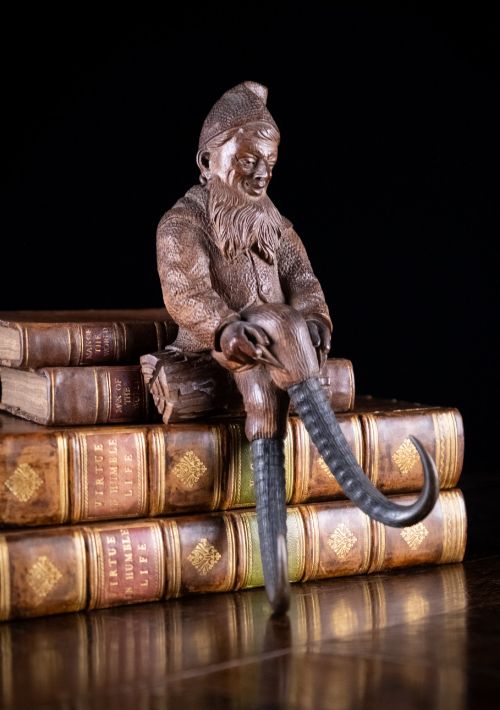
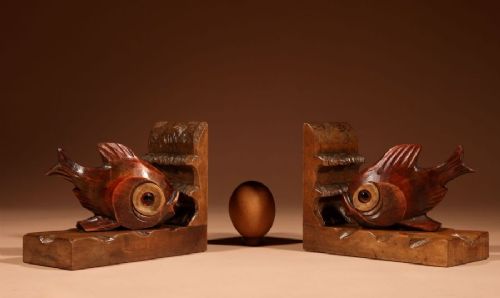
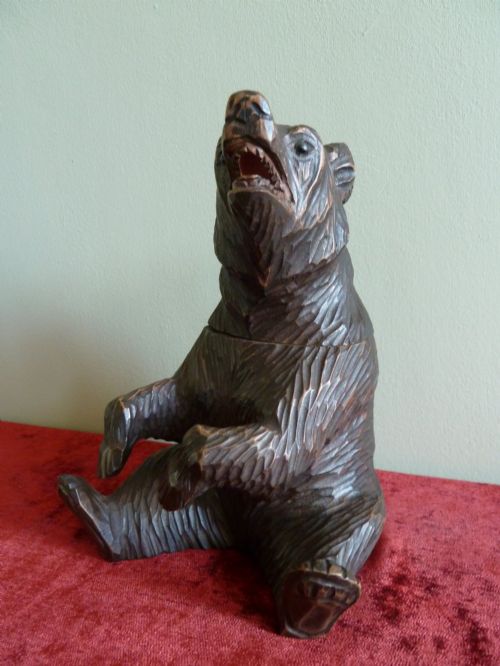
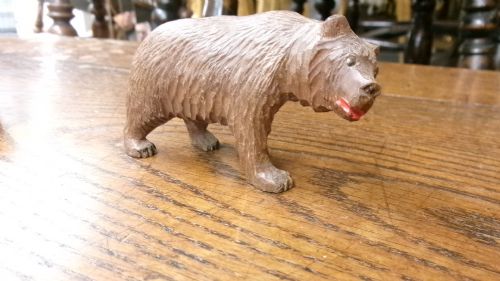
When you search for brienz black forest carving, you enter a tradition of nineteenth-century wooden sculptures that ranges from domestic animals to functional desk accessories. The most common form you will meet on this page is the carved bear, appearing as an inkwell, a stick stand, or a pair of bookends.
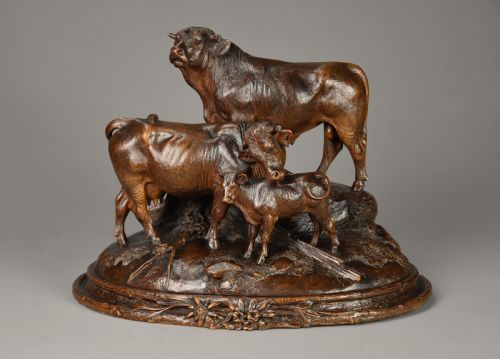
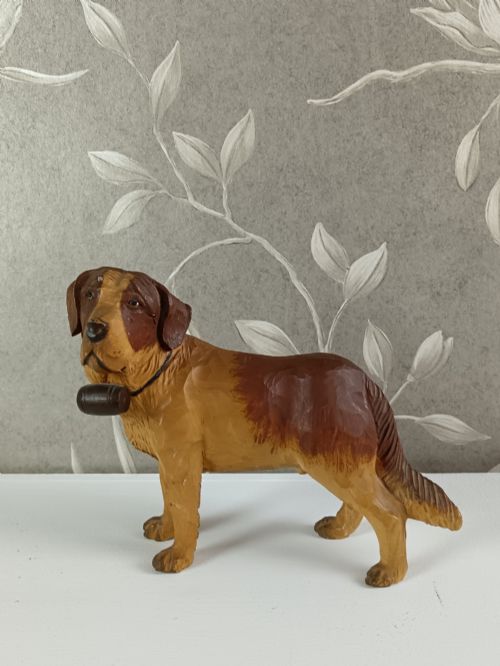
The objects span the Victorian and Edwardian periods, stretching from the middle decades of the nineteenth century into the early twentieth. Alongside bears, you encounter cattle groups, goats, owls, dogs, and peasant figures, originating primarily from the Swiss village of Brienz.
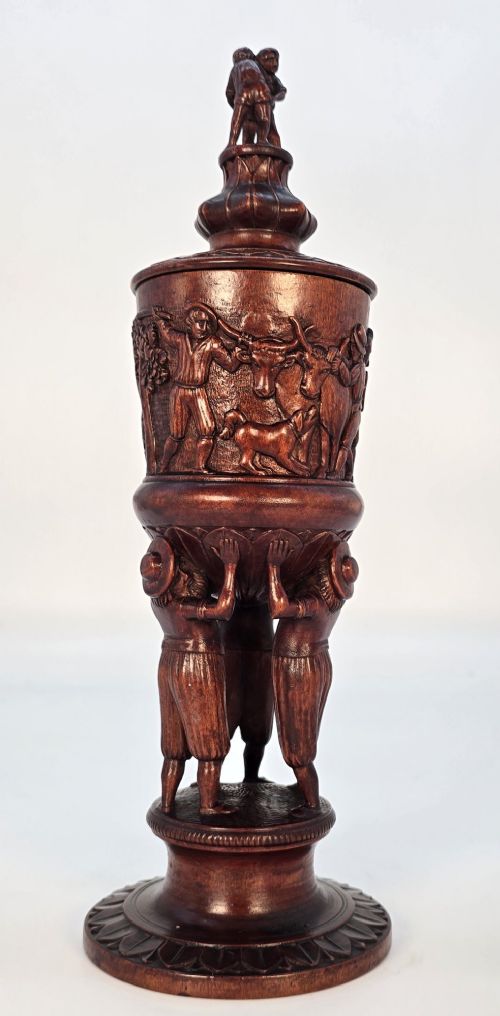
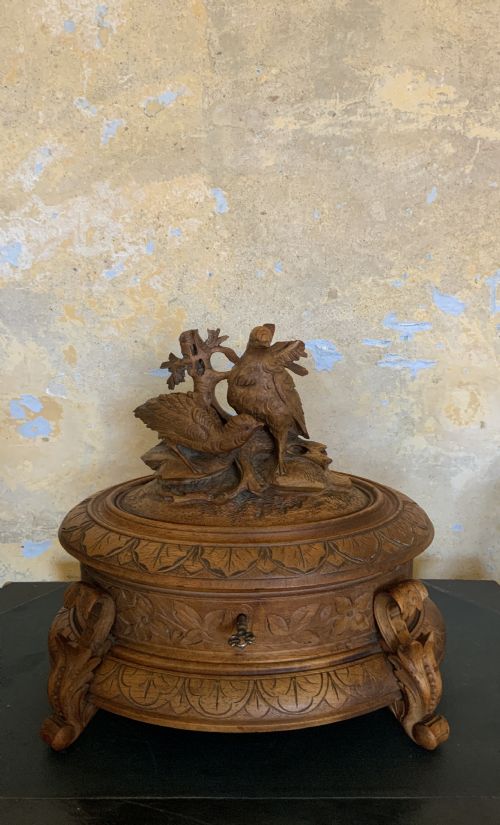
Makers produced these works to serve as decorative sculptures and practical household objects, such as tobacco boxes, humidors, and nutcrackers. The style combines alpine folk art traditions with meticulous nineteenth-century realism, often incorporating glass or metal details.
Materials and Carving Techniques
Carvers predominantly utilised local woods such as linden wood, walnut, and general hardwoods. Linden wood provided a soft, even grain that allowed artisans to execute fine fur textures and facial expressions without splitting.
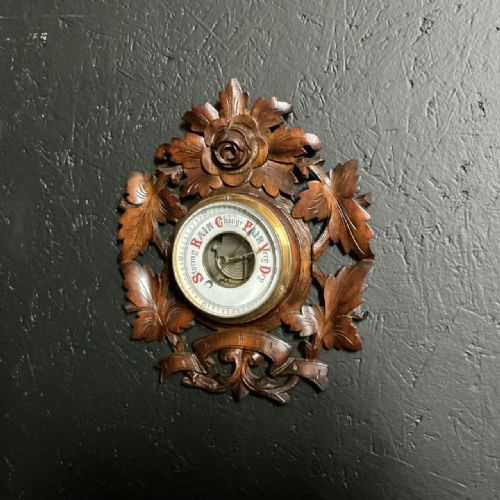
Master carvers employed specialised gouges and chisels to shape the timber, followed by meticulous hand-finishing. Glass inserts served for animal eyes, while brass and metal components added functional strength to items like inkwells, whips hooks, and barometers.
Linden wood and walnut are the primary timbers recorded across these sculptures, desk tidies, and inkwells.
Distinctions in Quality
The distinction also lies in utility and ambition, separating standard small figures from complex compositions such as double stick stands, large hall stands, or multi-animal groups. Signed works or stamped pieces by known workshops like J Huggler represent the upper tier of the craft.
J Huggler
The Brienz Black Forest Carving Glossary
- Linden wood
- A pale, close-grained timber favoured by Swiss carvers for its responsiveness to fine chisel work. It forms the foundation of many nineteenth-century animal figures.
- Humidor
- A specialised box designed to keep cigars or tobacco fresh. In this tradition, these boxes often take the form of crouching bears or woodland cabins.
- Stick stand
- A hall furniture piece made to hold walking sticks and umbrellas. These examples typically incorporate carved bears clutching tree trunks.
- Garniture
- A set of ornamental objects designed to be displayed together, usually on a mantelpiece. These sets comprise matching carved figures or vessels.
- Desk tidy
- A small compartmentalised tray for stationery and writing instruments. They frequently incorporate inkwells and animal figures in the carving.
Brienz Black Forest Carving: Frequently Asked Questions
What animals appear most often?
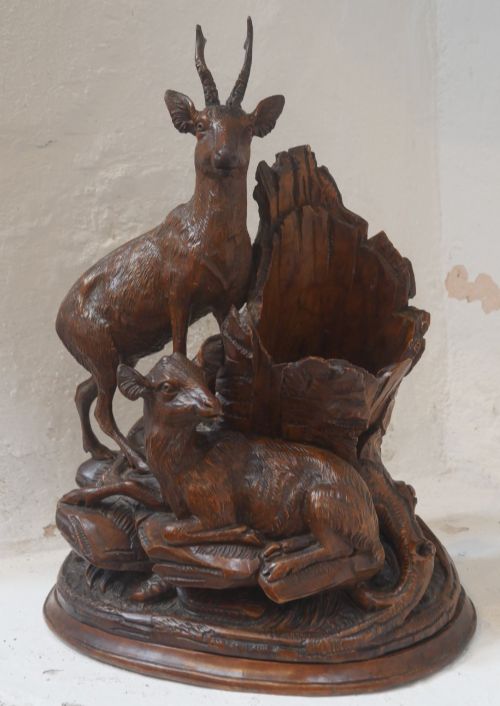
Bears dominate this category, appearing in dozens of postures from standing bookends to sitting inkwells. Other frequent subjects include cattle, dogs, owls, mountain goats, and chamois.
Carvers also portrayed human figures, notably peasant couples and historical subjects such as William Tell.
How were these items used?
Many carvings combined decoration with everyday domestic utility. Pieces functioned as inkwells, cigar boxes, nutcrackers, pipe racks, and hall stands.
Others served purely as decorative sculptures, mantel clocks, plaques, and architectural garnitures for Victorian and Edwardian interiors.
Where were they made?
The primary centre of production was Brienz, a Swiss village renowned for its wood-carving schools and traditions. Artisans there exported their work widely across Europe and Britain.
British buyers purchased these items as souvenirs of alpine tours or imported them directly through high-end retailers.
How do I date a carving?
Dating relies on stylistic markers, materials, and occasional maker stamps. Mid-nineteenth-century pieces often display robust proportions, while later twentieth-century examples can be more stylised.
The presence of original glass eyes, metal hinges, and specific hardware helps anchor pieces to the Victorian or Edwardian eras.