




Brass Wall Display
Brass wall display items bring metalwork, timber and glass into interior schemes through shelves, cabinets and decorative plaques.
Brass Wall Display
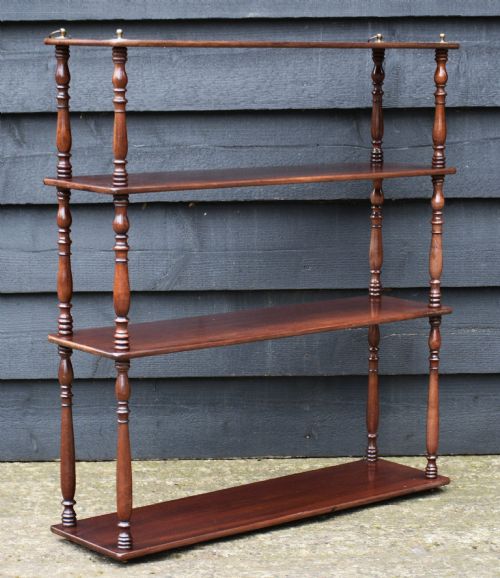
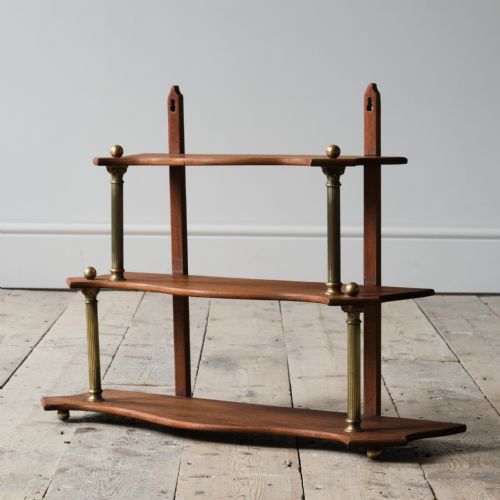
A brass wall display groups items intended to hang or mount upon a vertical surface, bringing together functional storage and decorative objects. When you search for brass wall display, you encounter hanging shelves, glazed cabinets, wall plaques and mounted instruments spanning multiple centuries.
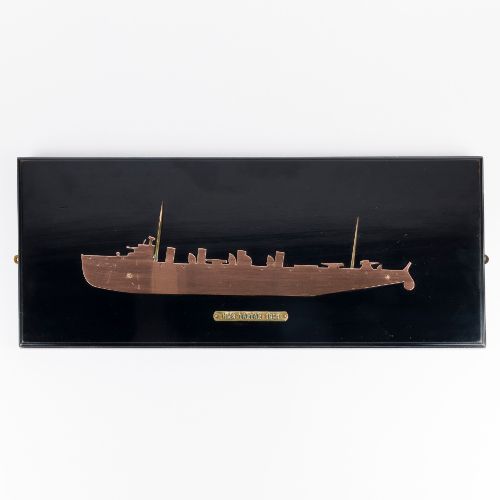
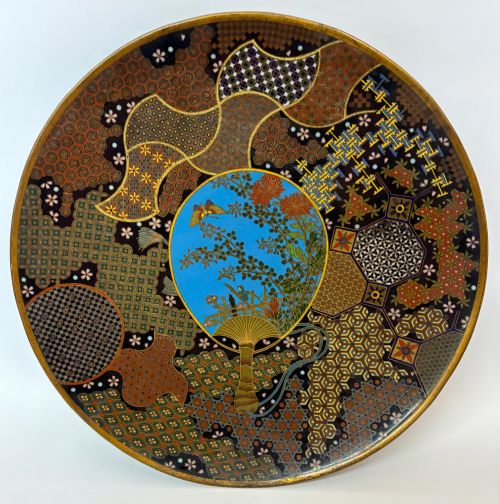
The pieces on this page originate from diverse traditions, ranging from English mahogany and oak hanging furniture to Japanese cloisonne enamel chargers and Indo-Persian shields. Cabinets often feature brass hardware or frames, whilst decorative chargers and plaques utilise brass as a ground for engraved or enamelled imagery.
Materials and Technique
Items listed combine brass, copper and iron with timbers such as mahogany, walnut and oak, alongside glass and enamel panels. Metalwork components involve casting, hammering, engraving and wire-work cloisonne techniques.
Cabinetry relies on traditional joinery for wall hanging shelves and glazed display cases, integrating brass hinges, brackets and glazed doors to secure and showcase contents.
Brass Wall Display Retail Price Guide 2026
Typical asking prices for brass wall display among the pieces listed under this phrase on Sellingantiques today, from the lower quarter to the upper quarter. They describe what is for sale here now, not the wider market.
Listings feature nineteenth and eighteenth century pieces including mahogany cabinets, Japanese cloisonne chargers and brass barometers.
Quality and Execution
The standard of execution defines the difference between standard utility items and finer examples, particularly in the precision of engraved foliate decoration on metal shields and plates. Superior cloisonne chargers display meticulous wire placement and complex pictorial subjects like birds, koi and Mount Fuji.
Timber cases and hanging shelves demonstrate quality through the selection of solid mahogany or walnut, balanced proportions and the integration of original mirrored interiors or glazed panels.
Siegel·Aitchison
The Brass Wall Display Glossary
- Cloisonne
- Enamelling technique where thin metal wires form compartments on a metal base to hold coloured glass paste before firing. This method creates detailed pictorial designs on chargers and plaques.
- Charger
- Large ornamental plate or dish intended for display rather than dining. These pieces often hang on walls or sit on buffets.
- Aesthetic Movement
- Late nineteenth century design style promoting art for art's sake and drawing inspiration from Japanese motifs. Anglo-Japanese cabinets reflect this philosophy.
- Aneroid Barometer
- Weather measuring instrument using a sealed metal capsule that expands or contracts with atmospheric pressure. These often feature brass bezels and wall hanging mounts.
- Dhal Shield
- Traditional round shield originating from India, frequently constructed from steel or brass with engraved foliate decoration.
Brass Wall Display: Frequently Asked Questions
What is a brass wall display?
A brass wall display encompasses items mounted on walls that incorporate brass elements, ranging from glazed shop cabinets and hanging shelves to decorative plates, barometers and scientific instruments.
These pieces combine functional storage or measurement with decorative metalwork designed to be hung at eye level in domestic or commercial interiors.
How do I hang antique wall cabinets safely?
Antique wall cabinets and heavy shelves require fixings suited to the wall construction and the weight of the timber and glass structure. Using appropriate wall plugs and securing directly into studs or masonry ensures stability.
Many period cabinets feature integrated brass brackets or hanging loops designed for secure wall mounting.
How do I clean brass and glass?
Cleaning brass and glass involves dusting with a soft cloth and using mild, non-abrasive cleaners specifically formulated for metal and glass surfaces. Harsh chemical polishes can damage patinated brass or historic lacquers.
Careful maintenance preserves the original finish of nineteenth century barometers and display cabinets.
What periods do these pieces cover?
The selection spans from the early eighteenth century through the Victorian, Edwardian and Regency periods up to the nineteen-twenties. Pieces include Georgian mahogany furniture alongside Meiji period Japanese cloisonne.
Stylistic shifts reflect changing tastes in domestic display across these centuries.