



Brass Vanity Frame
These brass vanity frame pieces bring polished metalwork and bevelled glass into dressing rooms, offering both functional reflection and period character.
Brass Vanity Frame
When you search for brass vanity frame, you are looking at mirrors designed for dressing tables, walls, and tabletop use, alongside related furnishings. These objects emerge from the nineteenth century through the Edwardian era, showing styles from Victorian rococo to French chateau and Hollywood regency.
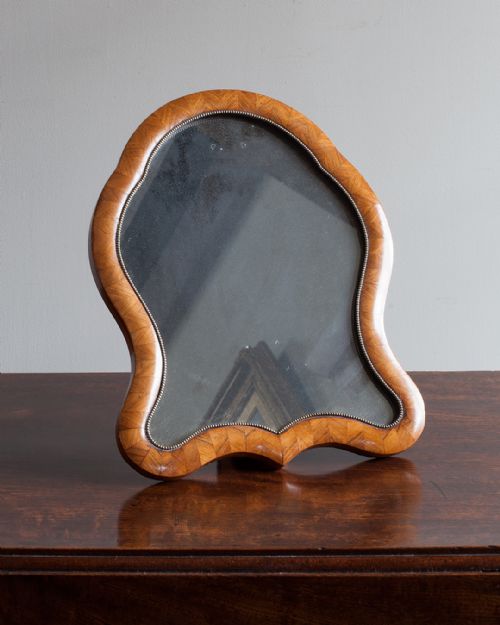
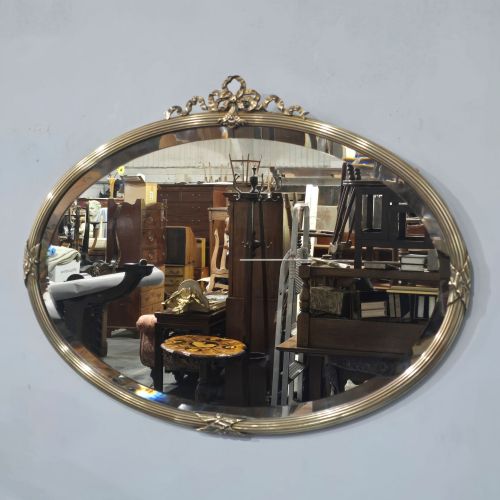
You are most likely to meet oval table mirrors and wall mirrors framed in brass, often featuring bevelled glass plates. The selection also includes folding mirrors and repoussé work, alongside occasional variations incorporating wood and gilt bronze.
Origin details span English, French, and Kashmiri workmanship, demonstrating how diverse workshops approached domestic metal framing. Whether mounted on a wall or pivoting on a dressing table, these pieces serve as practical accessories that reflect period design preferences.
Materials and construction methods
Makers utilised cast and polished brass alongside gilt bronze and ormolu to construct durable, ornate boundaries for glass plates. Metal framing was frequently combined with bevelled glass, wood supports like mahogany and kingwood, and occasionally fabric or leather upholstery.
Techniques such as repoussé and hand embossing allowed artisans to hammer intricate patterns directly into the metal surface. Pierced edges, mask crests, and cast cherub motifs added sculptural depth to the frames, demonstrating advanced metalworking skills.
Cast cherubs peer from the corners of Victorian wall mirrors, keeping a watchful eye on morning routines.
Distinctions in construction and finish
Quality separates simple production items from finer examples through the crispness of the casting and the depth of the repoussé work. Superior pieces display finely detailed motifs like masks or cherubs rather than flat, repetitive stamping.
The integrity of the glass plate and its bevelling also mark differences, alongside the original state of the brass. Solid construction in the hinges and stands of table mirrors indicates higher standards of period craftsmanship.
The Brass Vanity Frame Glossary
- Repoussé
- A metalworking technique where an artisan hammers a design from the reverse side to create a raised pattern on the front. This method appears on many Victorian and Edwardian mirror frames.
- Bevelled glass
- A glass mirror plate with edges ground and polished to an angled slope. It adds a decorative border effect to the reflection.
- Ormolu
- Gilt bronze ornamentation applied to furniture and decorative objects during the nineteenth century. It provides a rich, gold-coloured metallic finish.
- Cushion mirror
- A mirror featuring a convex, padded-looking frame profile often wrapped in metal or fabric. French examples demonstrate this distinct volumetric shape.
Brass Vanity Frame: Frequently Asked Questions
How do I clean an antique brass frame?
Dust the metal gently with a soft dry cloth to remove surface particles without disturbing the aged patina.
Avoid harsh chemical polishes that strip away historical character and wear down delicate embossed details.
Were these mirrors meant for walls or tables?
They were produced in both formats, with tabletop versions featuring folding stands or pivoting frames for dressing rooms.
Wall-mounted variations include hanging loops or structural brackets designed for secure placement in hallways and bedrooms.
How do I date a brass mirror?
Examine the style of the crest, the mounting hardware on the reverse, and whether the glass plate is bevelled.
Victorian and Edwardian pieces often incorporate cast motifs or hand embossing that align with specific nineteenth-century design revivals.
Can I replace the glass plate?
Original plates with natural ageing are preferred, but damaged glass can be replaced by a specialist glazier.
Ensure any replacement matches the thickness and bevel style of the original frame rebate.