


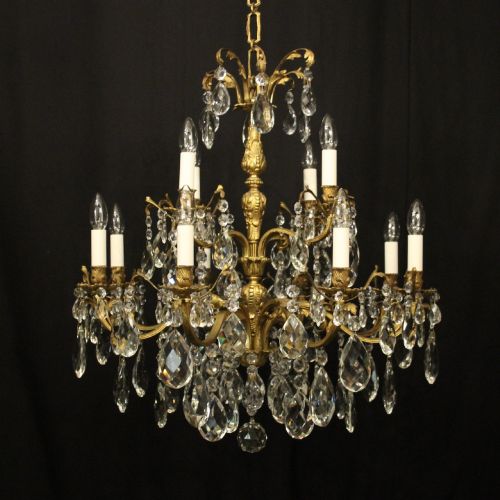
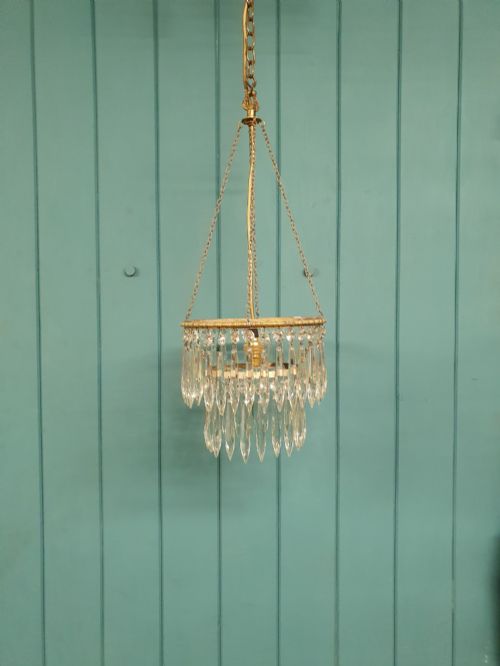
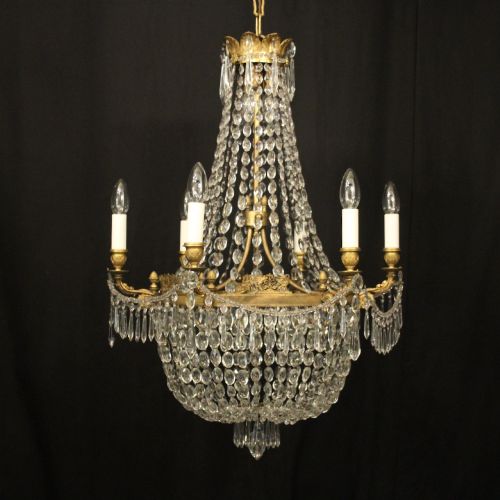
Brass Tier Chandelier
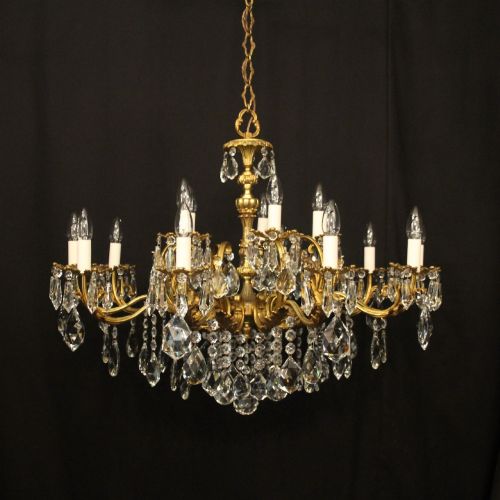
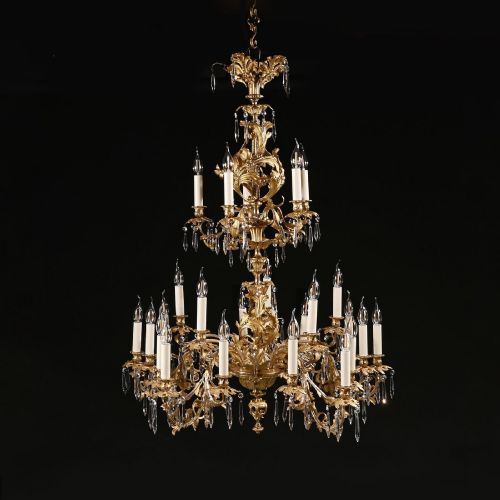
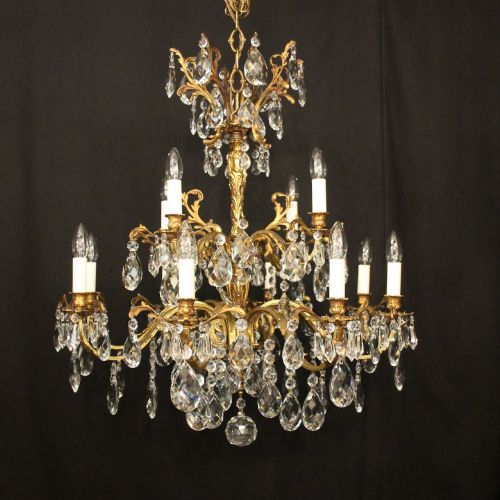
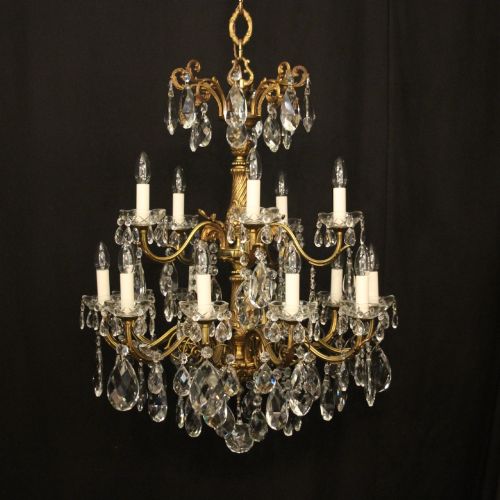
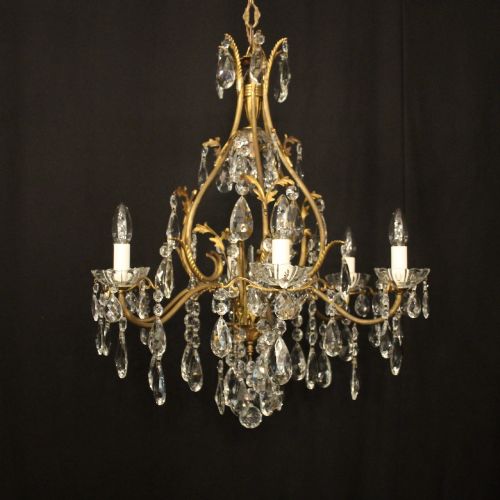
A brass tier chandelier brings vertical presence and layered illumination to a room, drawing the eye upward with suspended crystals and metalwork.
Brass Tier Chandelier
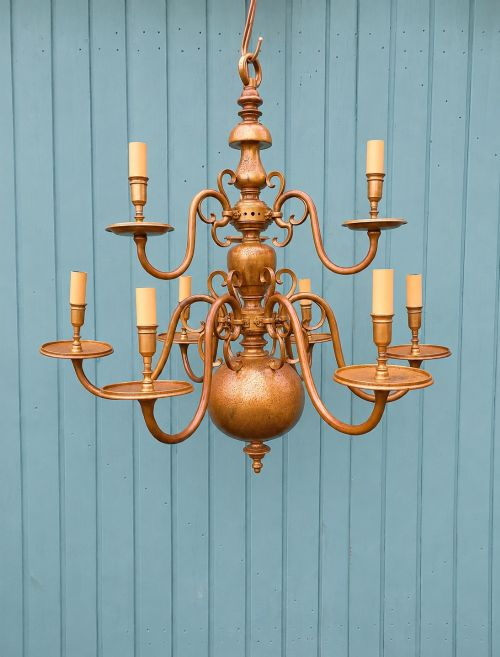
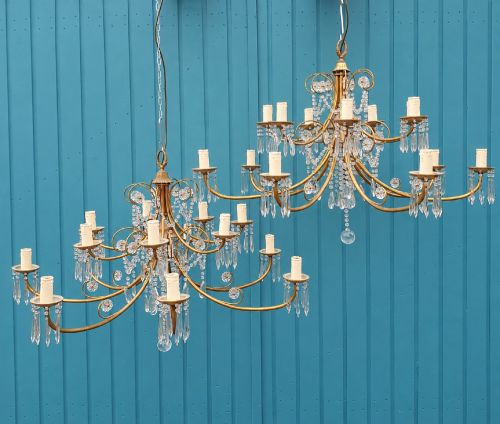
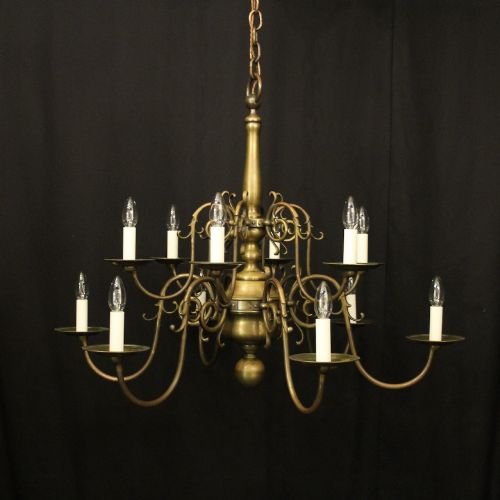
A brass tier chandelier is a multi-level ceiling light designed to distribute illumination across spacious rooms through layered tiers of arms and drops. When searching this phrase, buyers encounter prominent multi-tiered fixtures alongside single and double tier configurations.
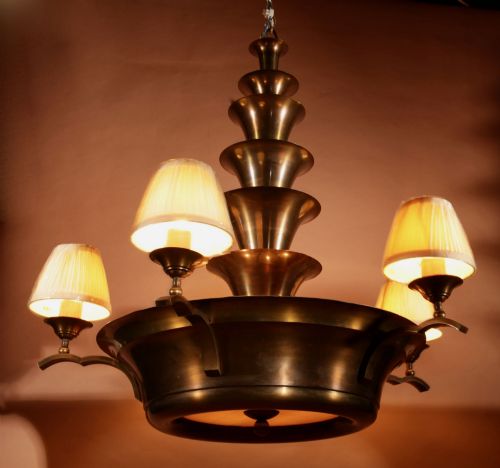
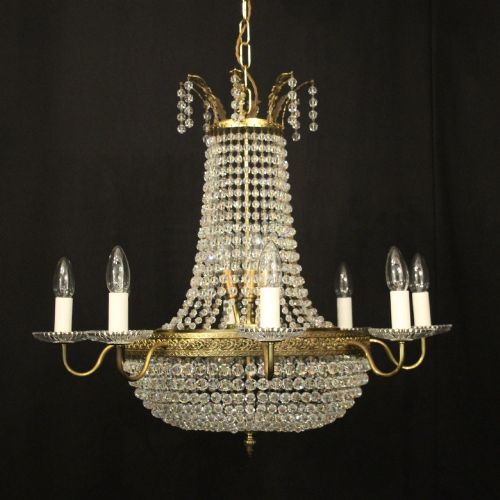
The selections span periods from the eighteenth century through the 1930s, incorporating Edwardian designs, French Empire styles, and Art Deco multi-tier creations. French chateau and Rococo revival influences appear frequently alongside Dutch baroque and Swedish variants.
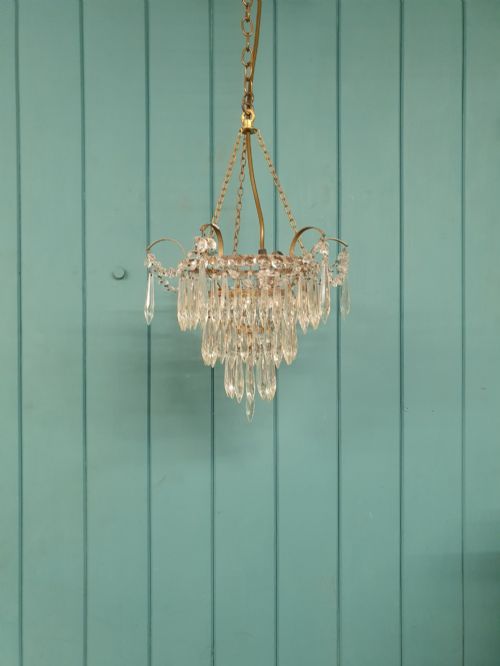
Forms range from compact nine-inch spike chandeliers and lustre pendants to massive twenty-five light fixtures and grand tent and waterfall arrangements. Ceiling lighting types extend to candelabras, plafonniere pendants, and multi-armed hanging chandeliers.
How they were made
Metals form the structural skeleton, utilising cast brass, gilt-brass, copper, bronze, gilded bronze, and gilt bronze to construct the central columns, tiers, and arms. These metal components provide the weight and rigidity required to support suspended glass.
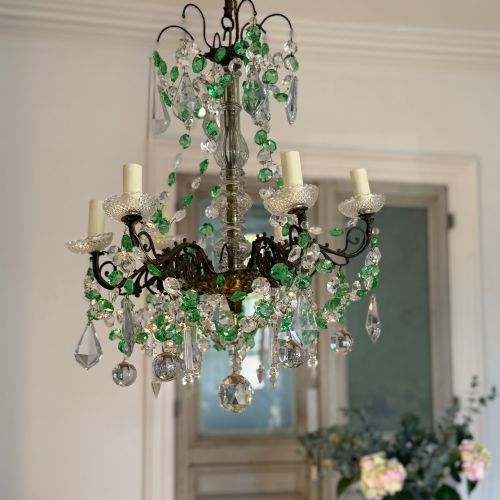
Glass elements incorporate crystal, cut glass, and crystal glass, shaped into beaded arms, drops, and cascading tent and waterfall configurations. Lustres and spikes are integrated directly into the metal frames to refract the light produced by multiple candles or bulbs.
Brass Tier Chandelier Retail Price Guide 2026
Typical asking prices for brass tier chandelier among the pieces listed under this phrase on Sellingantiques today, from the lower quarter to the upper quarter. They describe what is for sale here now, not the wider market.
Early twentieth-century makers measured tiny lustre fixtures down to nine inches, proving that grand crystal drama fits into surprisingly cosy rooms.
What varies in quality
The precision of metal casting and the richness of the gilding determine the baseline refinement of the brass and bronze framework. Elaborate chasing on bronze and clean joints on multi-tiered arms indicate superior workshop execution.
Cut glass and crystal components differ in clarity, edge sharpness, and the complexity of their cutting. Hand-cut drops and uniform crystal beads disperse light with greater brilliance than pressed glass alternatives.
The Brass Tier Chandelier Glossary
- Tent and waterfall
- A chandelier configuration where upper glass drops form a tent shape over lower cascading strands resembling a waterfall. This style gained popularity during the French Empire period.
- Spike chandelier
- A vertical ceiling light featuring central protruding spikes mounted with crystal drops and lustre elements. These compact pieces often measure under ten inches.
- Gilt bronze
- Metal alloy cast and coated with a layer of gold leaf or mercury gilding. This material provides a durable, reflective surface on antique frames.
- Lustre
- A glass pendant or hanging drop designed to catch and reflect light from the central candles or lamps. Lustres hang in clusters from the arms and tiers.
- Plafoniere
- A ceiling light fixture mounted flush or close to the ceiling surface rather than suspended on a long chain. Single light variants appear in French antique lighting.
Brass Tier Chandelier: Frequently Asked Questions
How do I hang a tier chandelier?
Suspension requires adequate ceiling reinforcement to support the combined weight of the metal frame and glass components. Professional installation ensures the electrical wiring safely connects to the ceiling junction box.
Height placement depends on room proportions and clearance requirements beneath the fixture. Entryways and dining tables often accommodate lower hangs than standard walking pathways.
What styles are available in brass tier chandeliers?
Designs draw heavily from French Empire, Rococo Revival, and Art Deco traditions. French chateau and Dutch baroque influences also shape the metalwork and arm configurations.
Earlier examples favour elaborate gilt-bronze castings, while later twentieth-century pieces incorporate streamlined multi-tier glass and spike arrangements.
How do I clean a crystal chandelier?
Routine maintenance involves dusting the glass drops and metal arms with a soft brush or microfiber cloth. Specialist glass cleaner applied to a cloth prevents moisture from damaging the internal wiring.
Detaching individual crystal drops for washing in warm soapy water restores maximum brilliance. Care must be taken to support the brass frame during any detailed cleaning.
How do I date an antique chandelier?
Dating relies on examining the metal casting techniques, screw threads, and the composition of the glass drops. Hand-cut crystal and fire-gilt bronze typically indicate nineteenth-century or earlier origins.
Twentieth-century pieces often display standardised fixings and distinct Art Deco or early modern geometric lines. Period listings frequently reference Edwardian or 1930s production methods.