


Brass Telescopic Reading Stand
A brass telescopic reading stand is an adjustable height support that brings books or illumination close to a chair, serving as a practical and period-correct addition to a traditional study.
Brass Telescopic Reading Stand
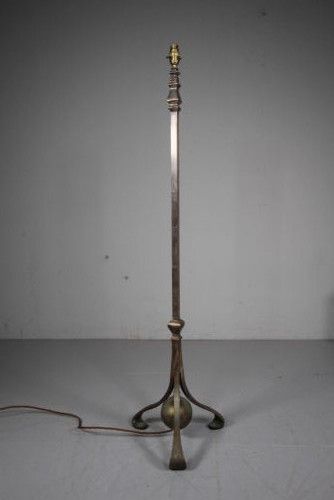
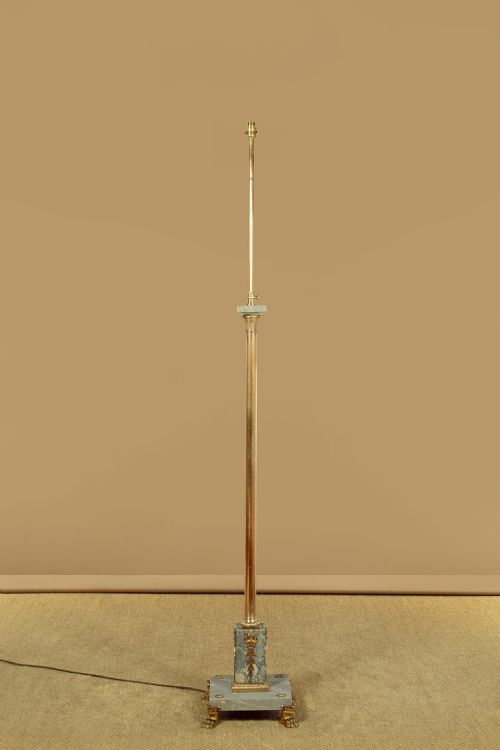
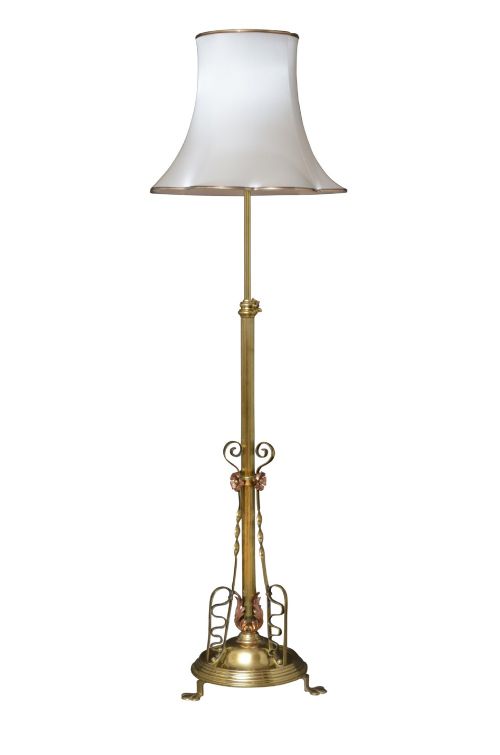
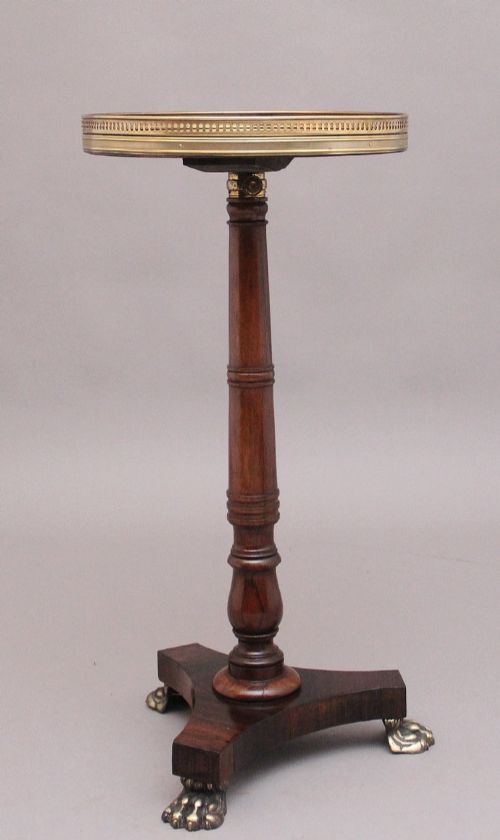
When searching for a brass telescopic reading stand, buyers encounter adjustable floor lamps, standard lamps, occasional tables, music stands, and reading stands and lecterns. The most common form on this page is the standard lamp or floor lamp featuring an extending shaft.
These pieces span from the 19th century through the Victorian and Edwardian eras, with examples also appearing from the Art Nouveau and Arts and Crafts movements. The primary materials used alongside brass include copper, marble, ebonised wood, and onyx.
What varies in quality
The distinction between tiers rests on the weight of the metal and the precision of the telescopic action. Superior examples move smoothly along the inner shaft without excessive lateral play and maintain their position securely.
Design complexity also marks the range, from plain utilitarian brass tubes to elaborate Corinthian capitals, combined copper details, or heavy onyx bases. The thickness of the brass gauge determines the overall durability and the depth of the patina achieved over time.
Listings span the Victorian and Edwardian periods, alongside Arts and Crafts and Art Nouveau movements, utilising brass, copper, marble, and onyx.
The Brass Telescopic Reading Stand Glossary
- Telescopic
- An extending mechanism formed of concentric tubes that slide inside one another to alter the overall height. This allows the lamp or stand to be adjusted for different seating positions.
- Corinthian column
- A classical architectural column style featuring an ornate capital decorated with acanthus leaves. This motif is frequently cast in brass on Victorian standard lamps.
- Standard lamp
- A tall floor-standing lamp designed to illuminate a room or provide light for reading beside a chair. They often incorporate telescopic height adjustment.
- Rise and fall
- A mechanism using a counterweight or internal spring system to raise and lower a light fixture or reading desk effortlessly. It holds the adjusted position securely without manual tightening.
- Ebonised wood
- Timber treated with a dark stain or chemical finish to imitate expensive ebony. It provides a stark contrast against bright brass fittings on reading stands.
Brass Telescopic Reading Stand: Frequently Asked Questions
Were these originally for reading or lighting?
Makers produced both dedicated reading lecterns for books and standard lamps designed to hold oil burners or electric bulbs. Many surviving examples served dual purposes or were adapted later in life to take electrical fittings.
When examining a piece, look at the top fitting to determine if it originally held a bookrest, a music desk, or a lamp burner. Telescopic columns were prized equally for positioning reading material and directing light.
How do I date a brass standard lamp?
Dating relies on stylistic details, such as the classical proportions of Corinthian columns found in Victorian pieces compared to the hammered surfaces typical of Arts and Crafts examples. The construction methods of the base and the type of wiring or oil font also provide clear chronological clues.
Victorian pieces often favour ornate classical revival motifs, whereas Edwardian and later 1920s versions lean towards simpler geometric lines or organic Art Nouveau curves.
Can I use modern light bulbs?
Most standard lamps that have been electrified can accommodate modern LED bulbs with the appropriate bayonet or Edison screw fitting. Ensure the internal wiring meets current safety standards before plugging the lamp into a mains supply.
If the piece retains original wiring or oil-burning components, consult a professional electrician to update the internal flex without damaging the historic brass structure.