




Brass Taper Stick Pair
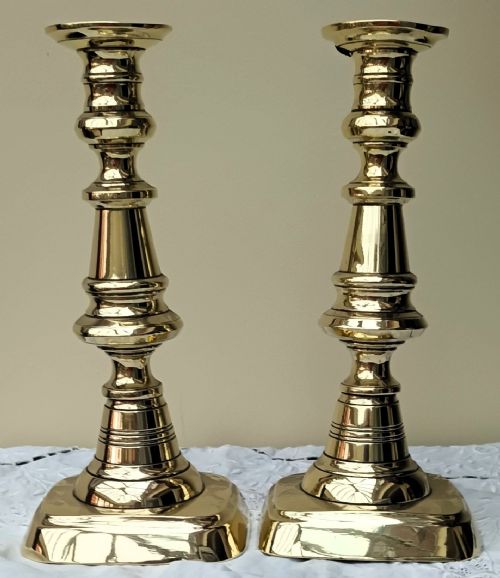
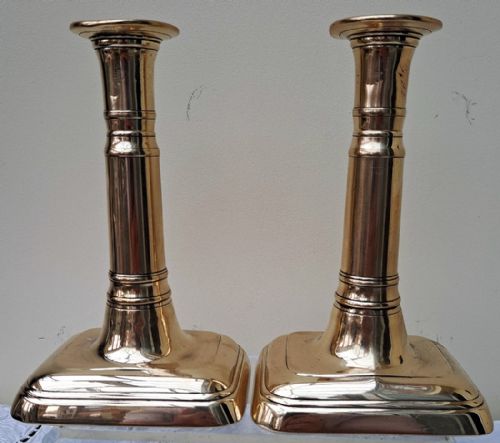
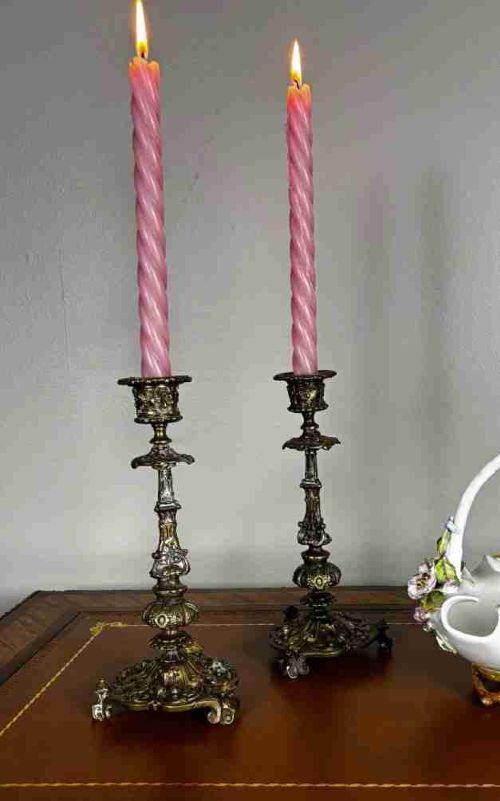
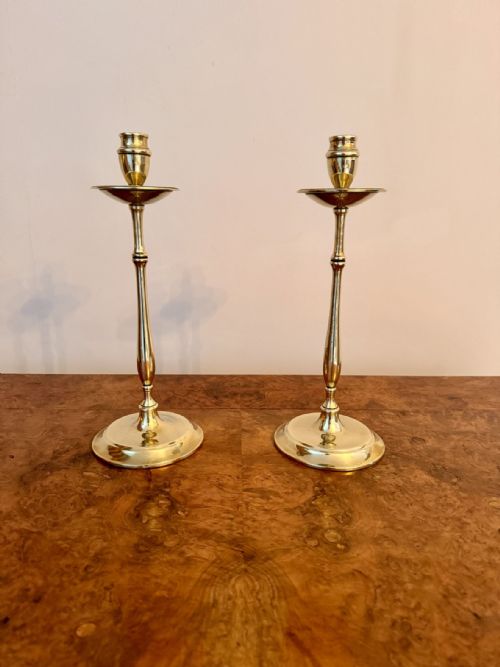
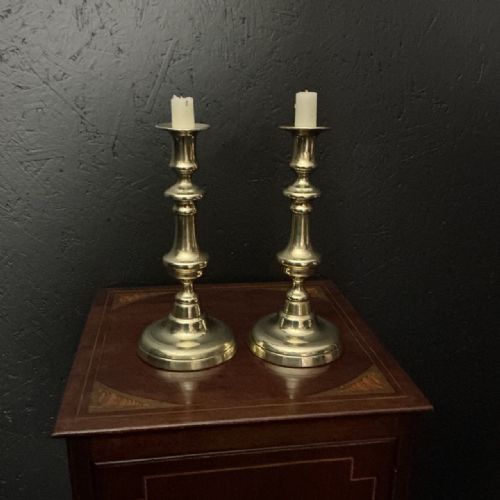
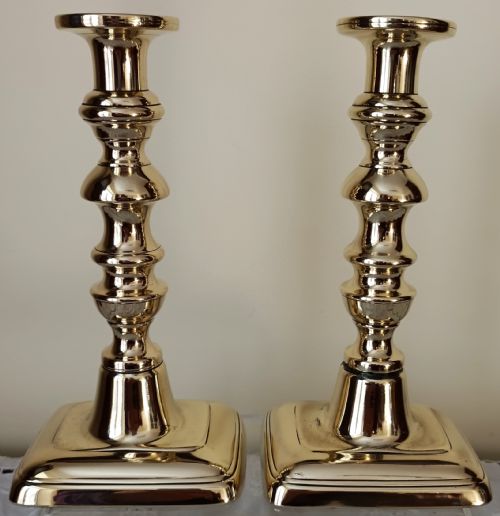
These brass taper stick pair options are small domestic lights designed for sealing letters and carrying a brief flame.
Brass Taper Stick Pair
A brass taper stick pair comprises matched lighting pieces designed to hold short tapers rather than heavy household candles. These items appear across Georgian, Regency, and Victorian periods, reflecting shifting domestic habits in lighting rooms and sealing correspondence.
The pieces on this page span the eighteenth and nineteenth centuries, alongside Edwardian examples. Forms range from simple slender stems to neoclassical profiles, telescopic mechanism designs, and hexagonal early bases.
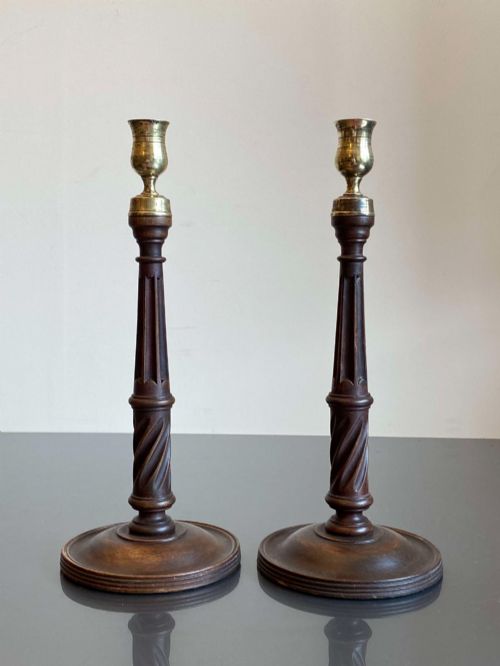
Makers and workshops utilised various casting and turning methods to produce these pairs, often combining brass with mahogany, silver plate, or glass components. Buyers encounter styles extending from Georgian neoclassical to Arts and Crafts and Victorian Gothic Revival.
Materials and construction
Construction relies heavily on cast and sheet brass, utilising seamed techniques visible in mid-eighteenth-century examples. Metalworkers turned components on lathes and joined sections with internal threads or pins.
Certain pieces incorporate secondary materials such as mahogany bases, bronze, or gilt ormolu details. Ejector mechanisms inside the stems allowed users to push out remaining wax remnants easily.
Brass Taper Stick Pair Retail Price Guide 2026
Typical asking prices for brass taper stick pair among the pieces listed under this phrase on Sellingantiques today, from the lower quarter to the upper quarter. They describe what is for sale here now, not the wider market.
Listings incorporate items spanning from the mid-eighteenth century through the Edwardian period, utilising brass, bronze, mahogany, and glass.
Assessing quality in antique pairs
Superior pairs display crisp casting detail in decorative motifs and clean lines along the turned stems and bases. Weight distribution matters, with better examples feeling substantial and stable in the hand.
Matching between the two pieces indicates a genuine original pair rather than assembled matches from different dates. Wear patterns, patination, and the integrity of joints or internal mechanisms distinguish finer specimens.
J.T. & Co·J. Miller
The Brass Taper Stick Pair Glossary
- Taper stick
- A small candlestick intended for holding a thin wax taper used for lighting fires or sealing letters. These items sit lower than standard domestic table lighting.
- Ejector
- A mechanical device inside the stem operated by a small side lever to push out spent wax or candle waste. This mechanism appears frequently in eighteenth-century brass examples.
- Seamed brass
- Metal formed by rolling sheet brass into a tube and soldering the edge before shaping. This technique marks earlier manufacturing methods before advanced machine extrusion.
- Neoclassical
- A design style drawing inspiration from classical antiquity, featuring clean columns, urn motifs, and symmetrical proportions. This aesthetic dominates many eighteenth-century pairs.
- Ormolu
- Finely ground high-carat gold applied to a bronze or brass base metal object. This treatment provides a rich golden surface finish on select period pieces.
Brass Taper Stick Pair: Frequently Asked Questions
What is a brass taper stick pair used for?
These small candlesticks held thin wax tapers for lighting lamps, candles, and hearth fires around the home. They also provided a close flame for melting sealing wax on correspondence.
Their compact size allowed easy movement between rooms before domestic gas and electric lighting became widespread.
How do I distinguish eighteenth-century pieces?
Early eighteenth-century examples often feature hexagonal bases and seamed construction methods. The brass tends to have a warmer tone and simpler, heavier proportions.
Later Victorian and Edwardian items introduce more ornate decoration, taller proportions, and varied manufacturing techniques like mechanical adjustment.
Are telescopic candlesticks common?
Telescopic stems appear in Georgian examples to allow adjustable height for different lighting needs. The inner sliding sleeve requires careful handling to preserve the original mechanism.
These pieces demonstrate clever metalworking ingenuity from the period.
How should I clean antique brass?
Polishing should remain minimal to preserve the dark historical patination accumulated over centuries. Soft dusting and gentle dry wiping protect the surface finish.
Avoid harsh chemical dips that strip away the authentic character of the metal.