
Brass Table Reading Light
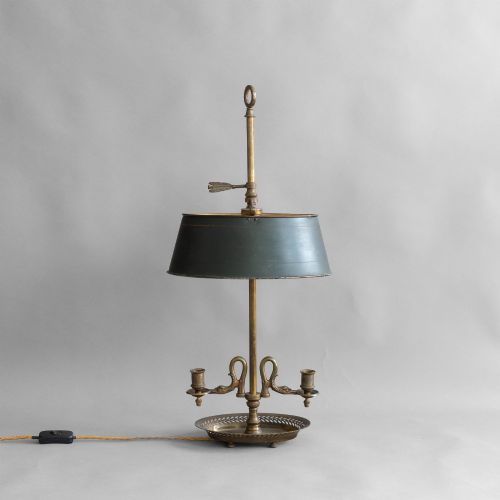
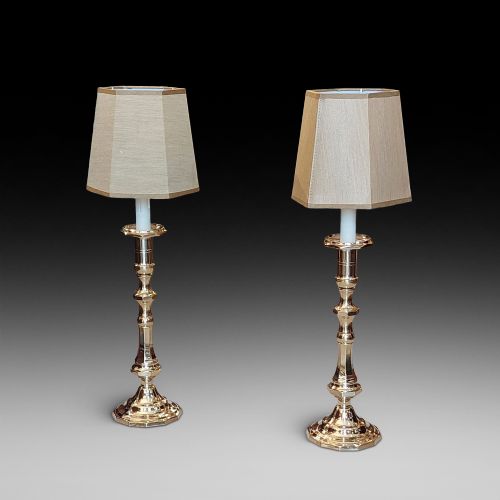
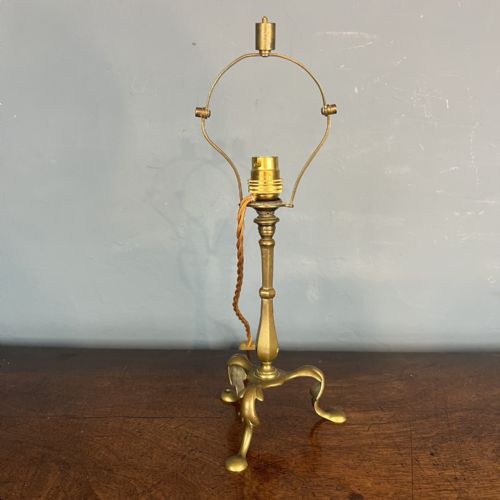
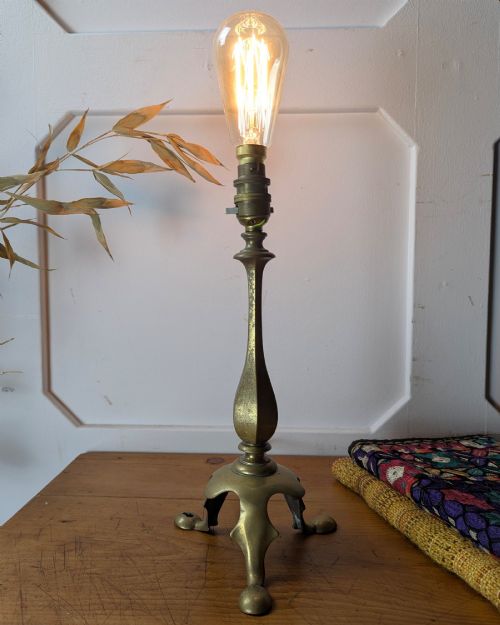
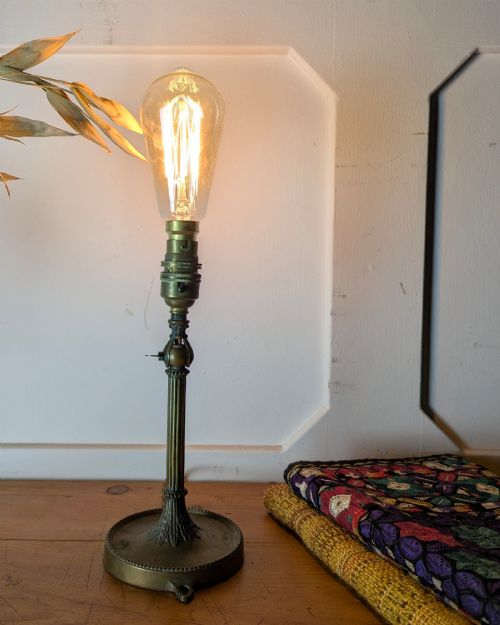
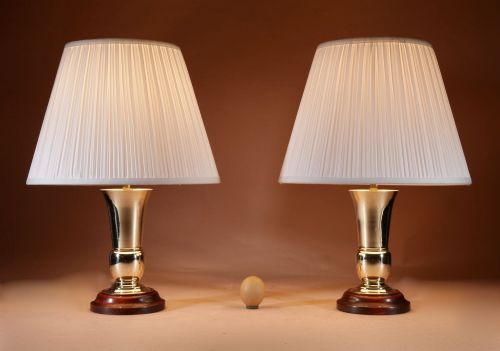
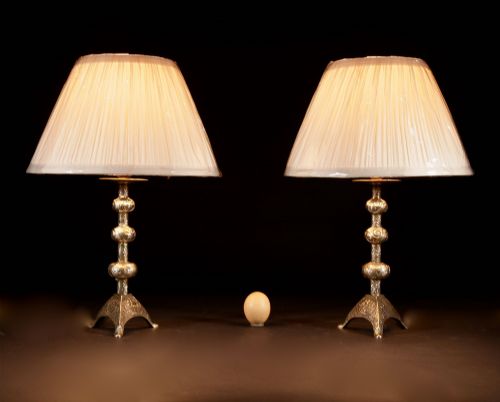
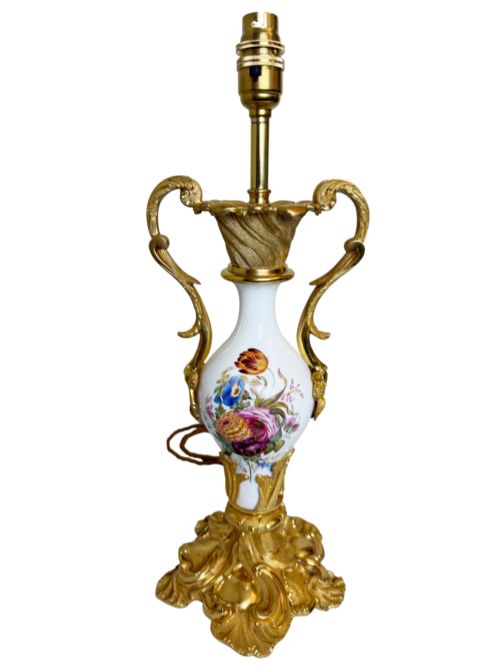
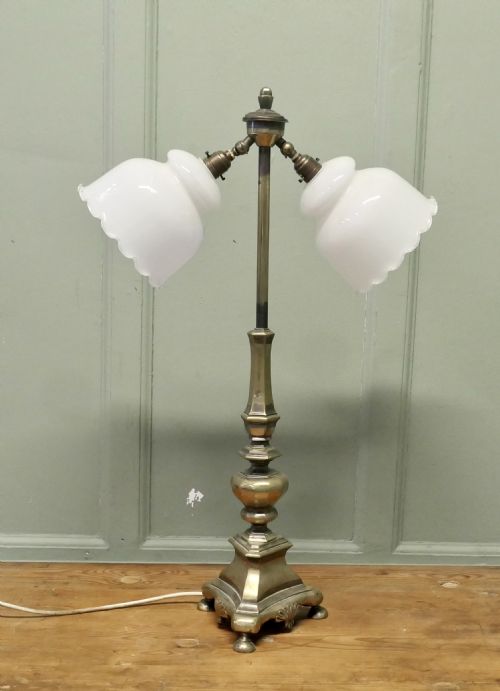
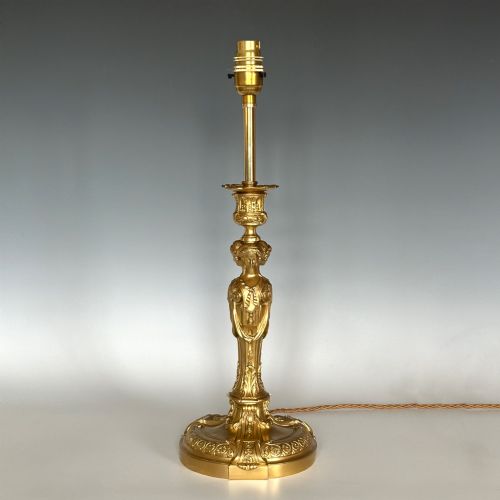
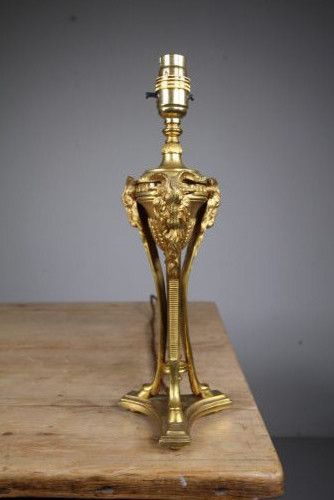
These are brass table reading light pieces, solid metal objects designed to bring focused illumination to a desk or table.
Brass Table Reading Light
When you search for a brass table reading light, you look for functional illumination mounted on a sturdy base. The pieces on this page span the nineteenth century through the 1920s, covering periods such as Victorian, Edwardian, and the early decades of the twentieth century.
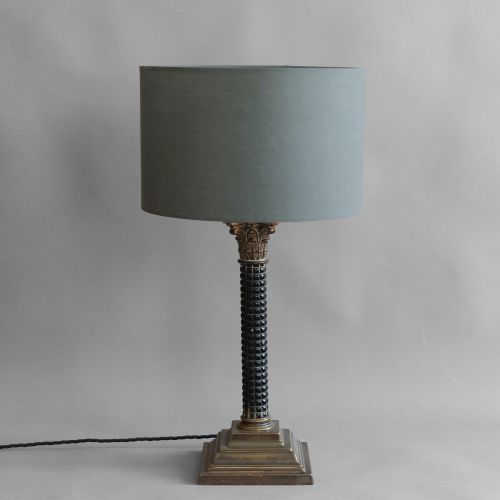
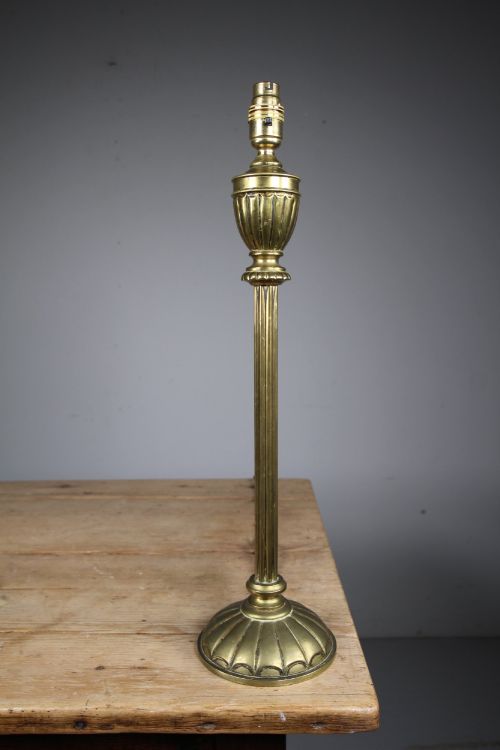
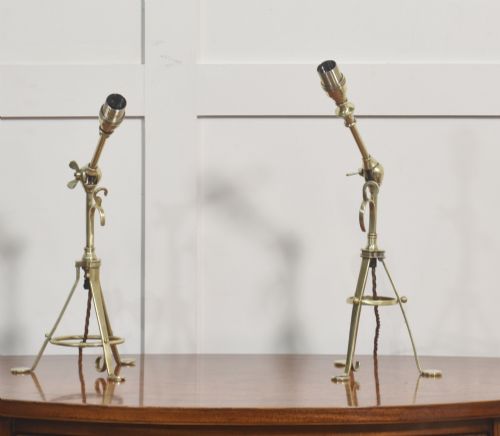
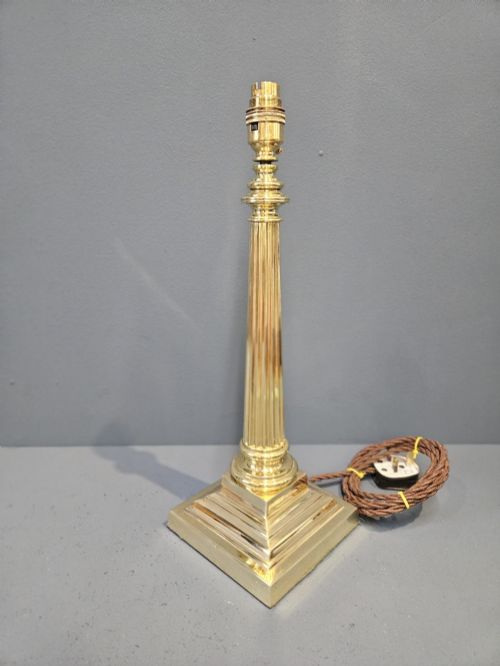
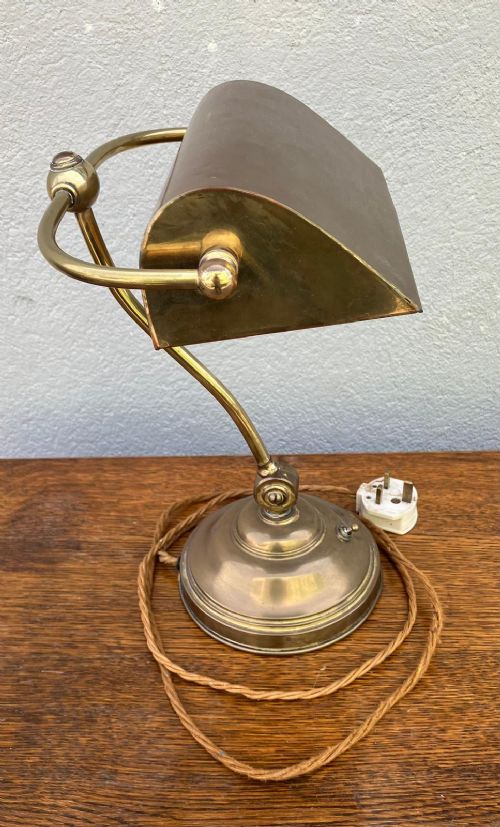
The forms range from adjustable desk lamps and bankers desk lamps to reeded columns, Corinthian columns, and Pullman lamps. Many examples incorporate swivel mechanisms, twin angled arms, or flexible stems intended for direct task lighting.
Makers and designers worked within various stylistic vocabularies, including Art Deco, Arts and Crafts, Neoclassical, and French Empire. You will find standard table lamps, student lamps, and converted oil lamps among the selections.
Variations in quality
Quality rests in the precision of the casting and the crispness of classical detailing, such as fluting on a column or the sharpness of Corinthian capitals. Heavy gauge metal and solid construction distinguish substantial desk lamps from lighter alternatives.
The sophistication of the mechanical adjustments, including smooth rotation on twin angled arms or secure positioning on flexible stems, separates standard utilitarian pieces from finer workshop productions.
Listings feature periods from the 1880s through the 1920s, utilising brass, gilt bronze, marble, and glass.
W.A.S. Benson·Wild and Wessel
The Brass Table Reading Light Glossary
- Ormolu
- Gilded bronze, typically applied to decorative mounts and architectural details on nineteenth-century pieces. It provides a rich, matte gold surface finish.
- Corinthian Column
- A classical column form featuring an ornate capital decorated with acanthus leaves. This motif appears frequently on Victorian and Edwardian lamp standards.
- Pullman Lamp
- A compact, secure light fixture originally designed for railway carriage use. These lamps often double as table or wall lights with adjustable shades.
- Student Lamp
- A nineteenth-century task lamp featuring a burner and fuel reservoir beside the light source. Surviving examples often retain implements and burner mechanisms.
- Baluster
- A moulded shaft or pillar with a swollen lower portion. Hexagonal baluster forms give stability and architectural weight to the lamp base.
Brass Table Reading Light: Frequently Asked Questions
How do I date a brass reading lamp?
Dating relies on stylistic clues like Victorian Corinthian capitals or 1920s flexible metal tubing. Examining the switches, wiring channels, and manufacturing marks also helps establish the period.
Construction methods changed over time, moving from heavy sand-cast components in the nineteenth century to more streamlined adjustable joints in the early twentieth century.
Were these lamps originally electric?
Many nineteenth-century examples started as oil lamps or gas fixtures before conversion to electricity. Candlestick lamps were similarly adapted later in their working lives.
Converted pieces often retain original burners, reservoirs, or keys, which collectors value for historical completeness.
What is a Pullman lamp used for?
Pullman lamps provided secure, adjustable illumination in confined spaces on trains and boats. Their compact build made them equally useful on small desks and bedside tables.
The heavy brass brackets allowed the lamps to function as both table fixtures and wall-mounted lights.
How do I style an antique desk lamp?
These lamps suit traditional studies, libraries, and modern workspaces as functional task lighting. Their metal finishes complement timber desks, leather blotters, and classical interiors.
Pairing a reeded column or adjustable arm lamp with neutral or patterned shades creates a balanced focal point on a work surface.