

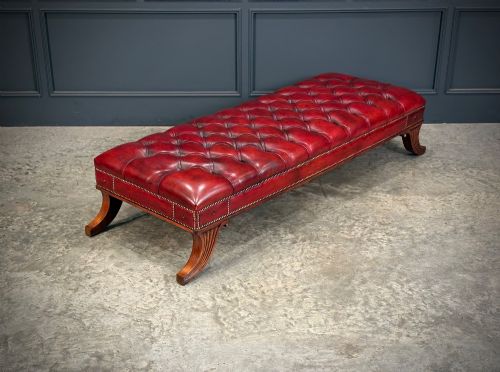


Brass Studded Coffee Table
A brass studded coffee table brings heavy timber, tactile leather and metalwork together into a low surface that grounds a room with history.
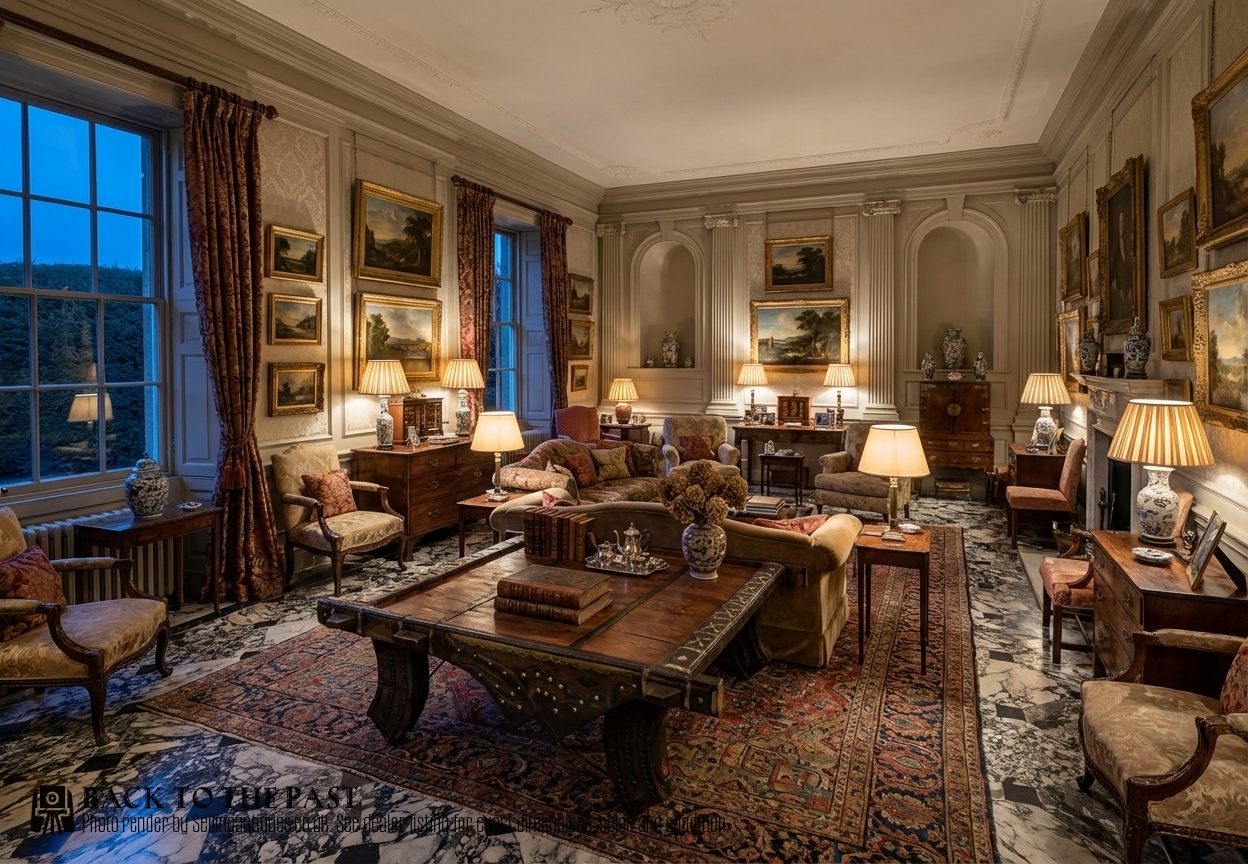
Brass Studded Coffee Table
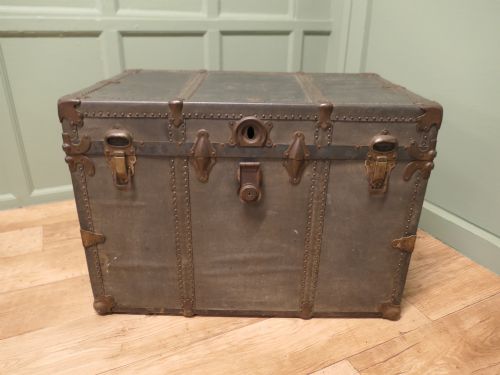
A brass studded coffee table encompasses low-slung iterations adapted from nineteenth-century campaign trunks, coaching chests, and ottomans. These repurposed forms bring robust utility into domestic spaces as low central tables.
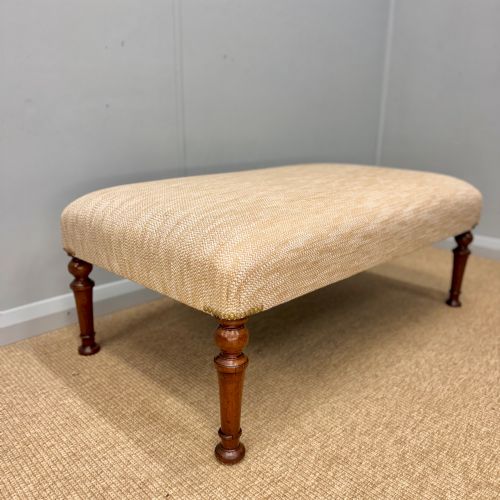
The pieces listed here draw from periods spanning the Regency era through the early twentieth century, incorporating Victorian mahogany footstools, Indian trunks, and Zanzibar chests. Such origins mean buyers encounter low rectangular silhouettes built for travel or storage.
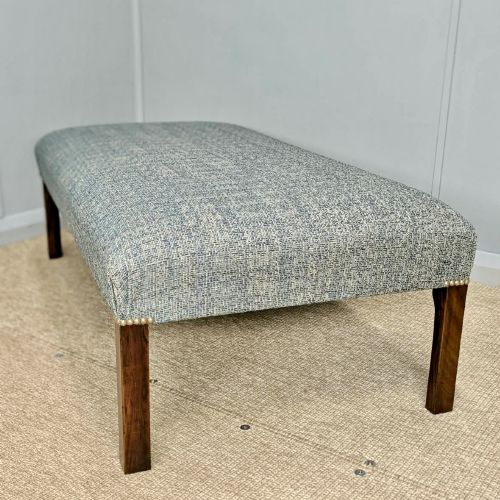
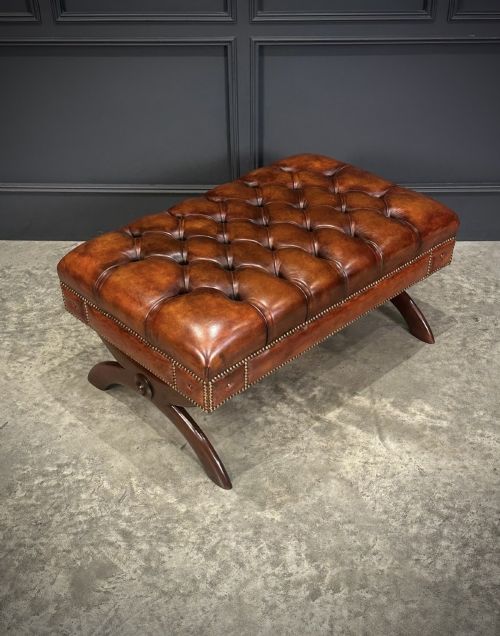
Many options on this page blur the line between seating and surface, utilising upholstered leather tops or solid hardwood lids studded with brass. Buyers select these tables to introduce texture and deep patination into a sitting room.
How they were made
Makers constructed these tables from dense timbers including mahogany, oak, camphor, and assorted hardwoods, often framing them for endurance on long journeys. Metal reinforcement through iron brackets and brass corner pieces protected the edges from heavy handling.
Upholstered surfaces relied on heavy leather, sometimes hand-dyed, stretched tightly over padding and secured with rows of individual brass studs. These metal tacks functioned both as structural fasteners for the hide and as decorative borders.
Brass Studded Coffee Table Retail Price Guide 2026
Typical asking prices for brass studded coffee table among the pieces listed under this phrase on Sellingantiques today, from the lower quarter to the upper quarter. They describe what is for sale here now, not the wider market.
Several trunks bear the faint scent of camphor wood, reminding anyone who lifts the lid of nineteenth-century voyages across the sea.
What varies in quality
Quality rests in the integrity of the original timber framing and the depth of wear on the leather. Finer examples retain their original brass hardware and untouched patination rather than later replacement fastenings.
The precision of the brass studding and the quality of the underlying joinery dictate the standing of a piece. Tables converted from genuine travel trunks display hand-forged elements that elevate them above decorative reproductions.
The Brass Studded Coffee Table Glossary
- Campaign trunk
- A portable chest built in sections with recessed brass handles and corner pieces for military transport. These sturdy boxes frequently find new life as low tables.
- Zanzibar chest
- A heavy wooden storage chest characterised by intricate brass stud work and strapwork decoration. Originating on the East African coast, they bring distinct trade-route aesthetics to domestic interiors.
- Camphor trunk
- A storage chest fashioned from camphor wood to repel insects while protecting textiles during travel. The timber emits a distinct aromatic scent that often lingers decades later.
- Buttoned leather
- An upholstery technique where depressions are pulled into the padding using twine and secured with leather or metal buttons. This creates a tufted surface that provides firm support.
Brass Studded Coffee Table: Frequently Asked Questions
Are these tables original coffee tables?
Most pieces listed as coffee tables began life as trunks, footstools, or ottomans rather than low tables. Makers or previous owners adapted their height later to suit modern living rooms.
This heritage means you gain a surface with authentic history and storage potential, even if the low profile is a later adaptation.
How do I care for leather and brass?
Leather surfaces benefit from occasional feeding with a quality wax or balm to prevent the hide from drying out. Avoid harsh chemical cleaners on the brass studs to preserve their natural age and oxidation.
Gentle dusting with a soft cloth keeps the metal and wood protected without stripping the patination accumulated over the decades.
Can I use a trunk table for storage?
Many of these pieces retain their internal compartments, particularly those derived from travel trunks and coaching chests. Lifting the lid reveals deep cavities suited for stowing blankets or books.
When using an upholstered ottoman or footstool, the internal space remains practical for daily domestic organisation.
How do I date a Victorian piece?
Victorian items on this page display construction traits typical of the nineteenth century, such as hand-cut dovetail joints and heavy iron or brass hardware. Examining the underside and interior fixings reveals clues about manufacturing methods.
Wear patterns on the leather and the oxidation of the brass studs further indicate age and the frequency of past use.