



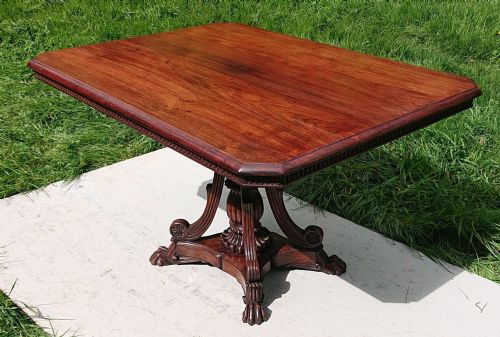

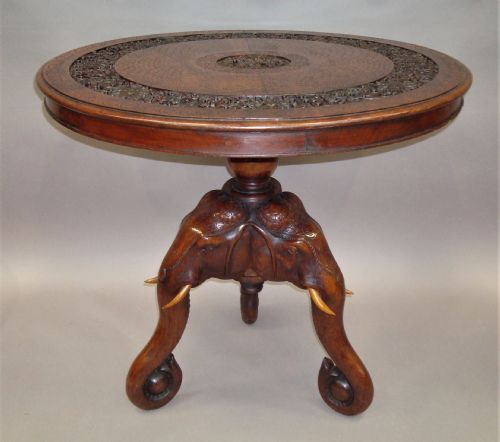
Indian Teak Centre Table
An indian teak centre table brings heavy colonial character and dense carving into a room, offering a sturdy surface with deep historical roots.
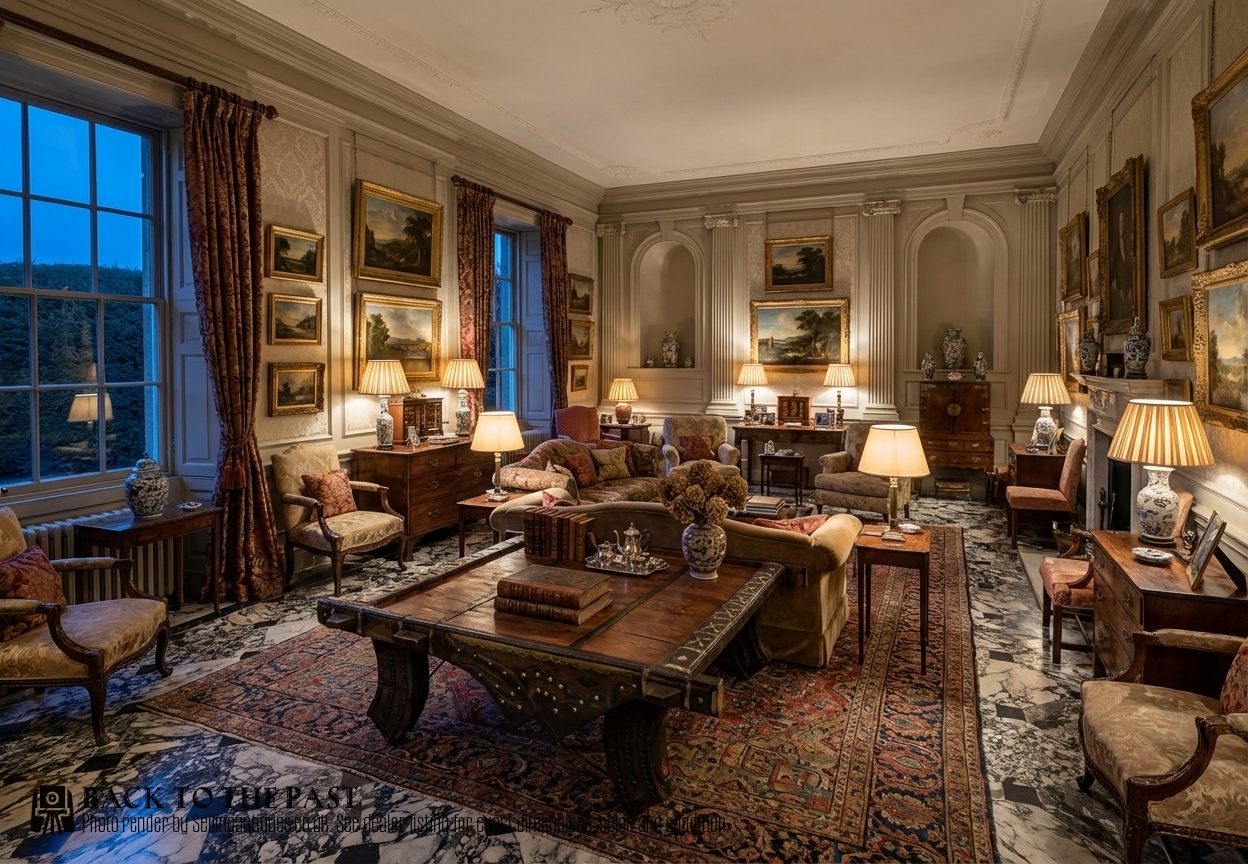
Indian Teak Centre Table
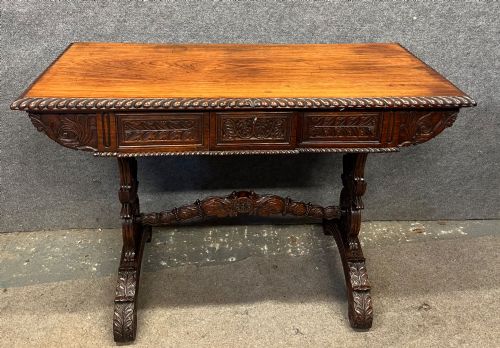
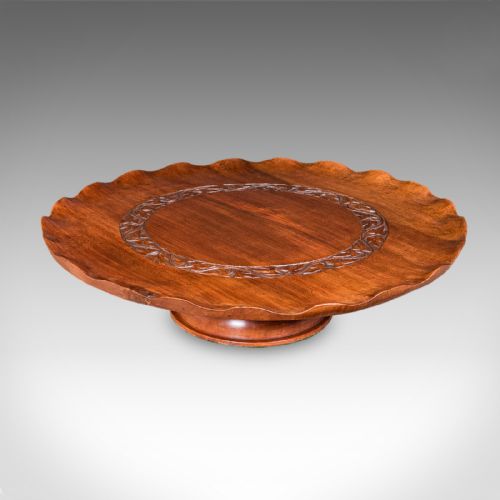
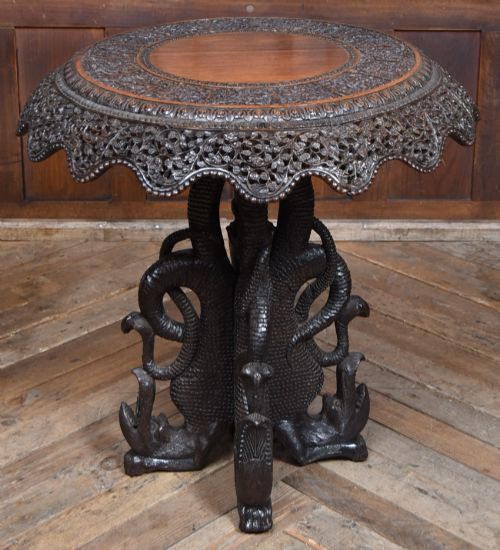
When you search for an indian teak centre table, you encounter substantial pieces originating from the nineteenth century, often grouped under Anglo-Indian, Anglo-Burmese, or colonial styles. These items function as focal points in a space, combining utility with intricate woodwork.
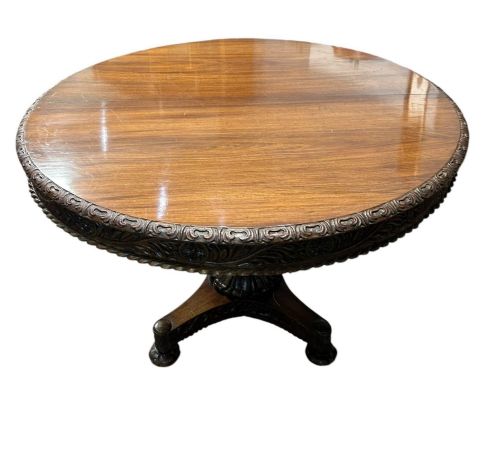
You are most likely to meet circular occasional tables, tilt-top variants, and heavier carved forms featuring regional motifs. The inventory spans from smaller side tables to larger dining and coffee tables adapted from traditional low takhat designs or bullock carts.
Materials and construction
The primary material is dense tropical timber, predominantly teak, supplemented by padouk, rosewood, and other hardwoods. Artisans utilised these durable woods to carve deep, elaborate patterns into aprons, legs, and table tops.
Construction techniques combine traditional joinery with heavy relief carving, sometimes incorporating iron, brass, bone, or pigment details. Tilt-top mechanisms appear frequently in nineteenth-century examples, allowing circular tables to be stored flat against a wall when not in use.
Indian Teak Centre Table Retail Price Guide 2026
Typical asking prices for indian teak centre table among the pieces listed under this phrase on Sellingantiques today, from the lower quarter to the upper quarter. They describe what is for sale here now, not the wider market.
Listings show nineteenth-century dates, Victorian periods, and 1900 markers alongside materials like teak, padouk, brass, and bone.
Markers of quality
Quality rests principally on the crispness and depth of the carving, distinguishing deeply undercut foliage and figurative work from shallow, mechanical incisions. The choice of timber also dictates standard, with dense, well-figured teak and padouk commanding greater visual weight.
Proportion and structural integrity separate standard utility pieces from finer colonial works. Superior examples maintain balance and stability despite heavy ornamentation, with well-fitted tilt mechanisms and uniform colour across the timber.
The Indian Teak Centre Table Glossary
- Anglo-Indian
- Describing furniture made in India during the British colonial period, often combining European forms with local decorative techniques. These pieces reflect a distinct cross-cultural design history.
- Tilt-top table
- A table with a hinged top that rotates to a vertical position for storage. This clever mechanism was common in nineteenth-century occasional furniture.
- Takhat
- A traditional low Indian seating platform or table form. These low pieces often find new life as coffee tables.
- Padouk
- A heavy, durable tropical hardwood with a reddish hue used in colonial furniture. It takes a fine finish and supports intricate carving.
- Occasional table
- A small table designed for intermittent use around a room rather than a single fixed purpose. They appear frequently in nineteenth-century formats.
Indian Teak Centre Table: Frequently Asked Questions
How do I style an indian teak centre table?
Place the table in the middle of a room or a large hallway to let the carved details show from all angles. Keep surface objects minimal to avoid obscuring the woodwork.
Pair the dark timber with neutral walls and textiles that do not compete with the heavy grain and dense carving of the colonial period.
Were these tables made for export?
Many nineteenth-century pieces were produced specifically for the British colonial market or European homes abroad. They blended traditional Indian craftsmanship with European furniture shapes like dining and centre tables.
Other forms, such as low takhat tables or bullock cart coffee tables, originated from domestic Indian contexts before finding favour with collectors.
How do I care for teak furniture?
Dust the deep carvings regularly with a soft brush to prevent dirt accumulation in the crevices. Avoid placing the timber in direct sunlight or near heat sources to prevent splitting.
Feed the hardwood occasionally with a suitable wax or oil to maintain the lustre of the grain without softening the carved details.
How can I tell the age of these tables?
Examine the timber shrinkage, tool marks, and the construction of joints beneath the top. Nineteenth-century pieces often show hand-cut joinery and heavy patina developed over decades of use.
Tilt-top mechanisms and iron hardware from the Victorian era offer further clues to dating, contrasting with later twentieth-century reproductions.