



Brass Spring Clock
A brass spring clock is a mechanical timepiece driven by a coiled metal mainspring, prized by collectors for precision horology and cabinetmaking.
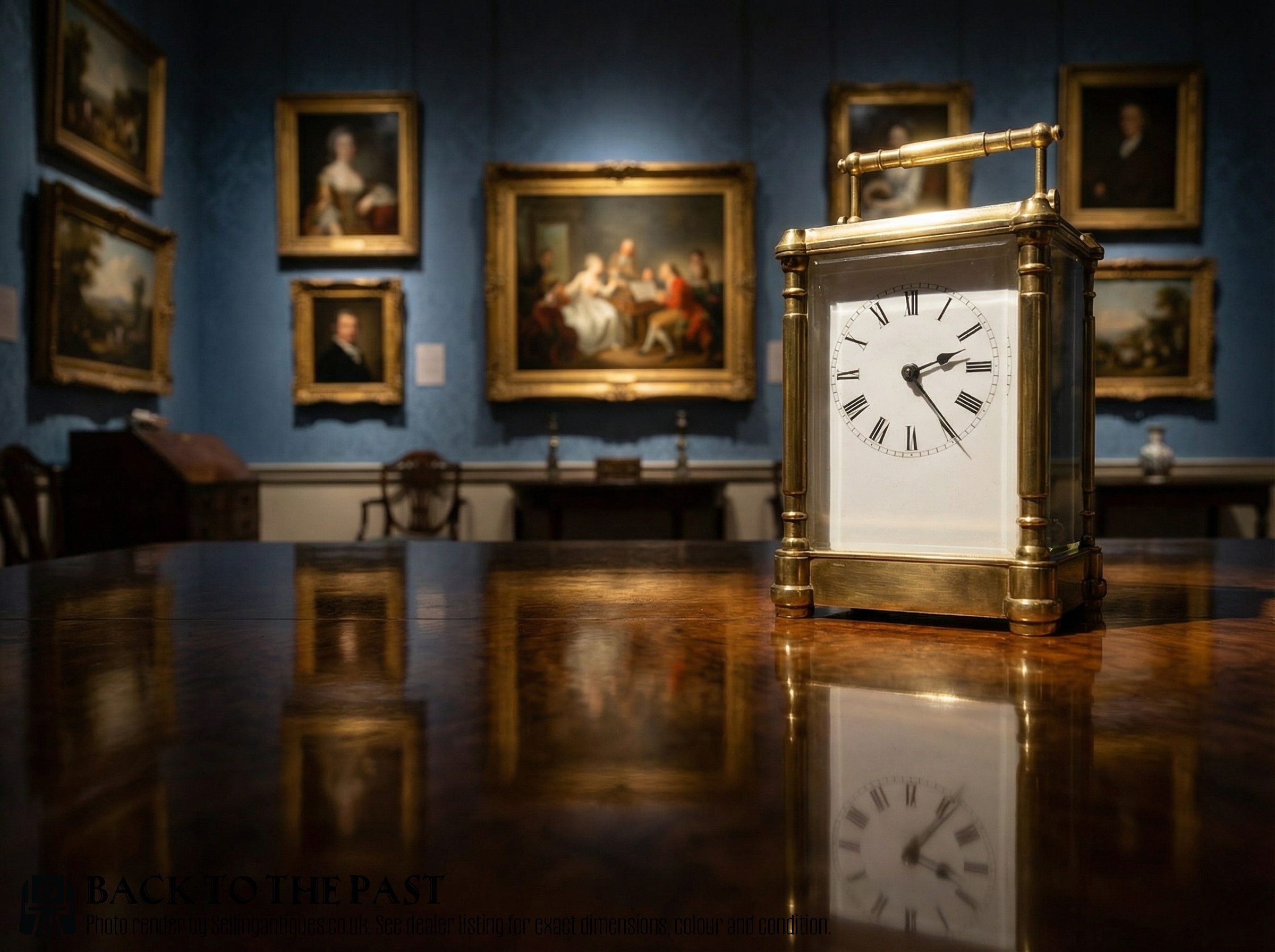
Brass Spring Clock
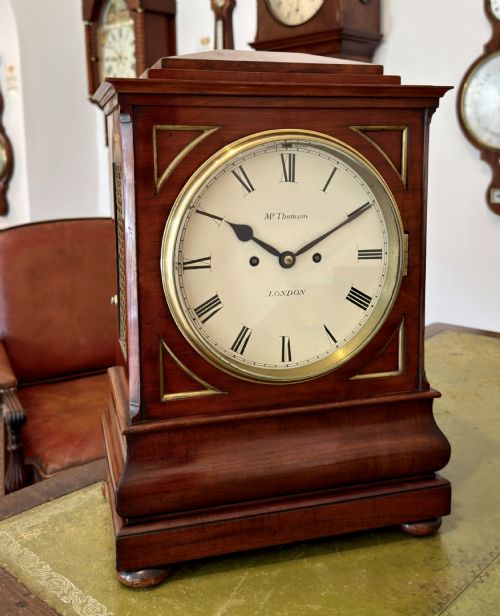
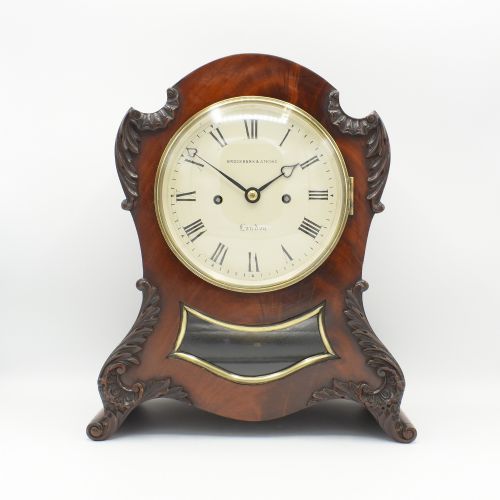
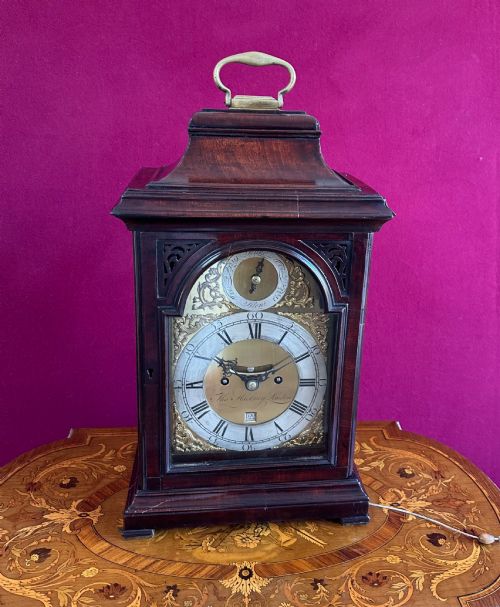
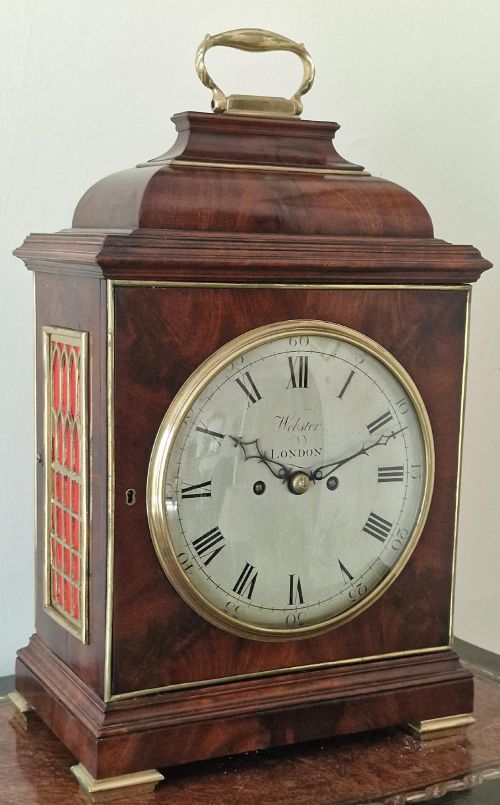
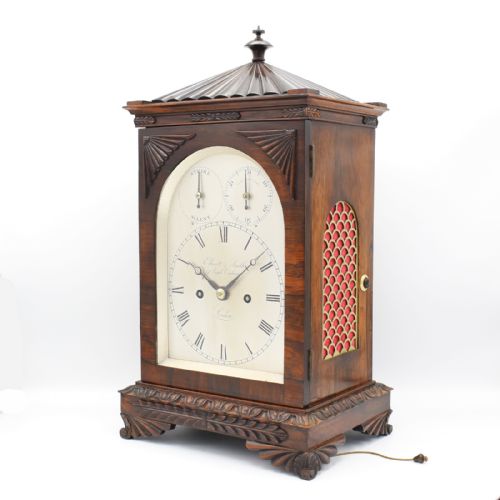
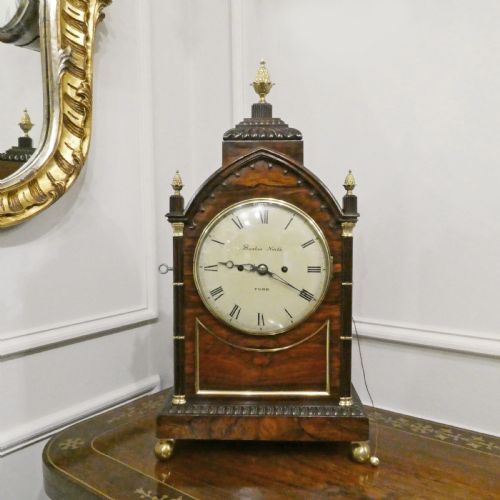
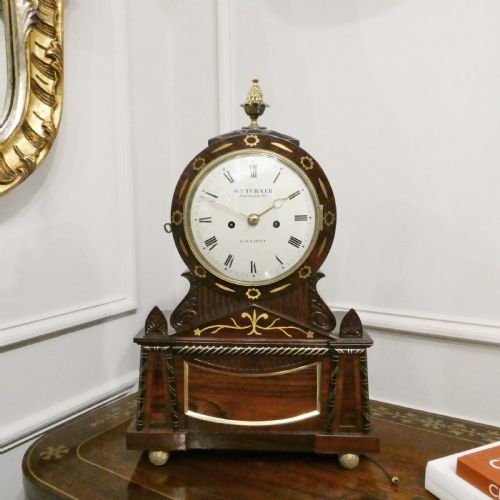
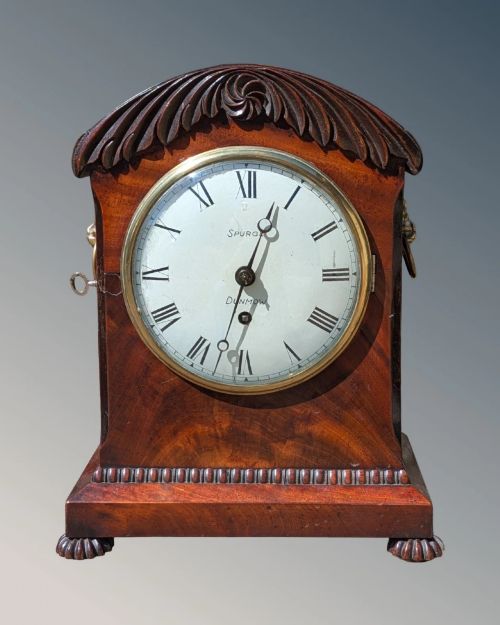
When searching for a brass spring clock, you encounter timepieces designed for domestic interiors across several centuries, ranging from the late seventeenth century to the early twentieth century. The selection leans heavily toward bracket clocks, table clocks, and mantel clocks housed in architectural wooden cases.
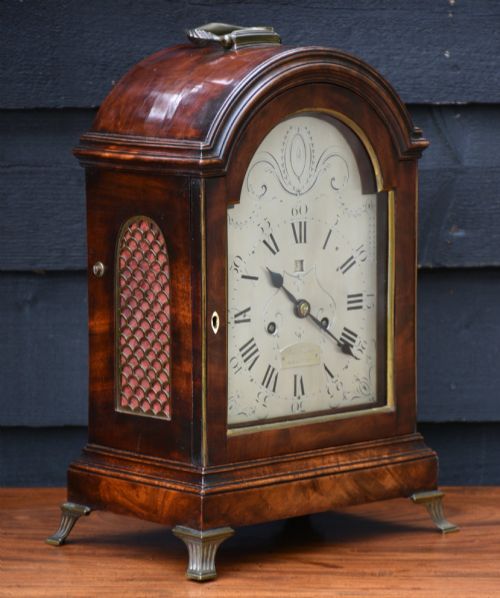
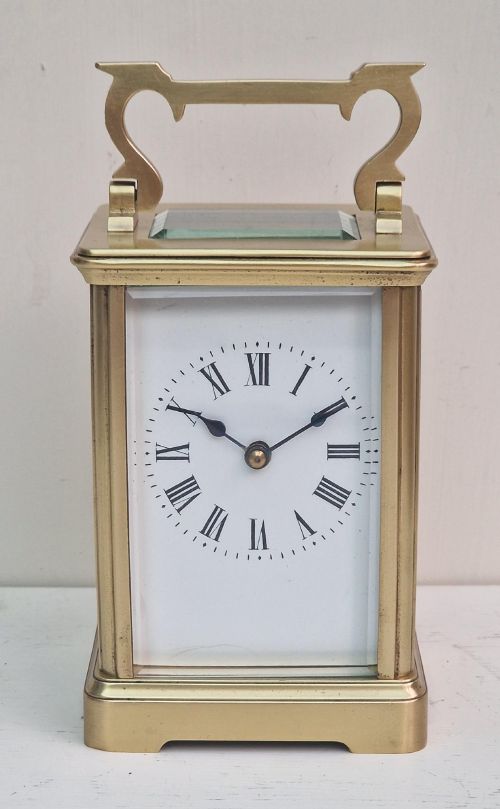
The prevailing examples on this page are mahogany bracket clocks from the Georgian, Regency, and Victorian eras, often featuring fusee movements and brass dial furniture. You also meet carriage clocks in gilt cases and wall clocks originating from Britain, France, Germany, and Austria.
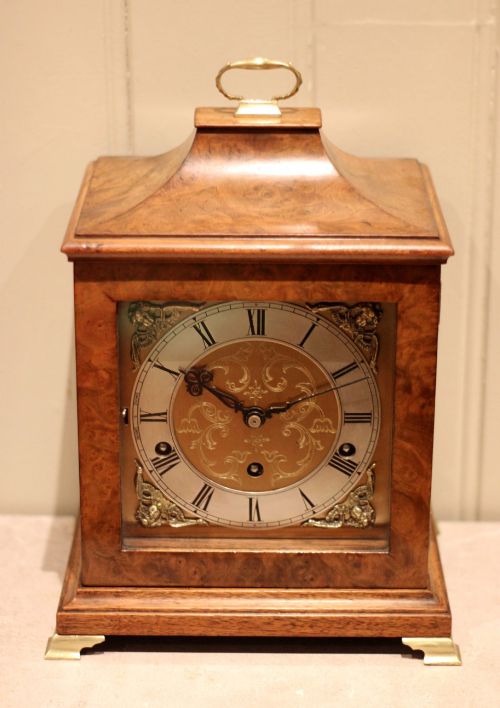
Makers span provincial watchmakers and renowned London workshops, indicating that these clocks served both wealthy households and regional markets. Their forms vary from basket-top table clocks to lancet and steeple configurations.
How they were made
Cases rely on dense hardwoods such as mahogany, rosewood, walnut, and ebonised wood, frequently enhanced with brass inlay, gilt mounts, and glass panels to reveal the dial and movement. Cabinetmakers constructed these housings to protect the delicate internal mechanics while complementing contemporary interior decor.
The internal mechanism utilises brass plates, wheels, and escapements driven by a steel spring, often operating via a fusee system to maintain even power as the spring unwinds. Dials are constructed from brass, silver, or enamel, carrying engraved or painted numerals and maker signatures.
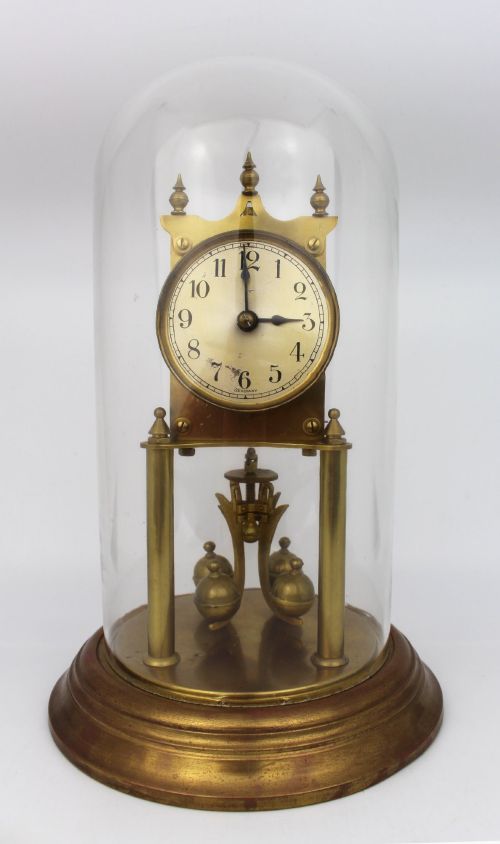
Movements range from traditional horology and fusee mechanisms to anniversary and Westminster chime systems.
What varies in quality
Quality rests upon the sophistication of the clock movement, from simple spring-driven timepieces to complex quarter-striking and fusee mechanisms built by skilled horologists. The crispness of the brass engraving and the precision of the escapement separate standard production from masterwork pieces.
Cabinetwork distinguishes the hierarchy of these objects, where finely figured mahogany veneers, ebony stringing, and cast brass handle mounts reflect the investment made in the exterior housing. Original components, intact enamel or silvered dials, and matching brackets elevate the standing of a clock.
Thomson of London·Brockbanks & Atkins·Mappin & Webb·Ellicott & Smith·Barber & North of York·Turner of London·L. Vick of Stroud·Webster Cornhill London·Spurge Dunmow·Jonathon Lowndes·Seller of Reading·Thomas Moss·Cording of London·John Witherston of Hereford·John Pepys London·William Speakman·Bryson Edinburgh·Piggin Norwich·Wilkinson Leicester·Paul Philip Barraud·Hyde of Salisbury·Louis Recordon·Richard Rooker·Johann Baptist Beha
The Brass Spring Clock Glossary
- Bracket clock
- A portable spring-driven clock originally designed to sit on a wall bracket or table. These spring clocks often feature intricate wooden cases and striking mechanisms.
- Fusee
- A conical pulley used in spring clocks to equalise the torque of the mainspring as it winds down. This mechanical device ensures consistent timekeeping.
- Verge movement
- An early type of escapement found in seventeenth and eighteenth-century clocks. It regulates the release of the gear train using a crown wheel and pallet arrangement.
- Carriage clock
- A small, portable spring clock developed for travel in the nineteenth century. They usually feature glass panels set within a brass or gilt frame.
- Anchor escapement
- A clock mechanism introduced later than the verge, utilising an anchor-shaped pallet to control the swing of the pendulum. It allows for greater accuracy in timekeeping.
Brass Spring Clock: Frequently Asked Questions
What is a brass spring clock?
A brass spring clock is a mechanical timepiece powered by a wound mainspring rather than falling weights. These clocks utilise brass gears, plates, and escapements contained within decorative wooden or metal cases.
They were designed for domestic use on tables, brackets, and mantelpieces, allowing accurate timekeeping without the need for a stationary pendulum drop.
How do fusee movements work?
A fusee movement uses a conical pulley connected to the mainspring via a cord or chain. As the spring unwinds and loses tension, the chain moves to a wider part of the cone, maintaining steady power.
This clever mechanical adjustment ensures the clock maintains consistent force and accuracy throughout its running cycle.
Where were these clocks placed?
Bracket clocks and table clocks were historically positioned on wooden wall brackets or prominent furniture surfaces in main reception rooms. Their portable nature allowed owners to move them between rooms as needed.
Wall clocks and carriage clocks served similar domestic and travel purposes, combining practical utility with decorative presence.
How do I date a brass spring clock?
Dating a spring clock involves examining the architectural style of the case, the materials used, and the signature of the maker inscribed on the dial. Mahogany and ebony veneers, dial layouts, and case shapes changed noticeably from the seventeenth to the twentieth century.
Internal mechanics also evolved, with early examples featuring verge movements and later ones adopting fusee or platform escapements.