




Brass Sofa End Table
A brass sofa end table brings flexible surface space and classic metallic warmth to a seating area.
Brass Sofa End Table
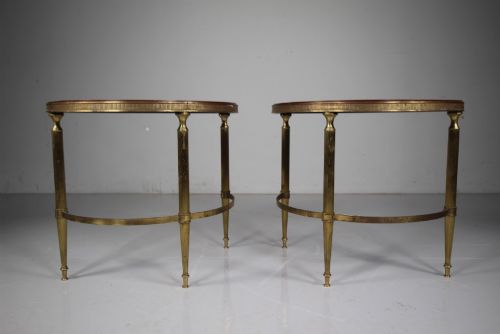
When you search for a brass sofa end table, you encounter a selection of compact furniture designed to sit neatly beside seating. These pieces span the 18th century, Regency period, 19th century, Edwardian era, and the 1930s, incorporating styles such as Georgian, William IV, Sheraton, and Art Deco.
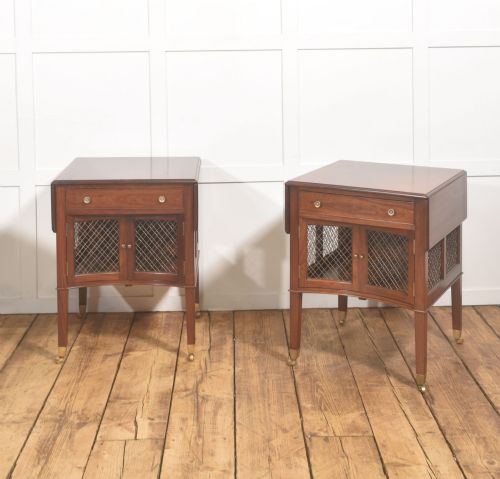
The objects themselves appear under various historical descriptors including side tables, occasional tables, writing tables, library tables, and drop-flap pembroke tables. Most examples on offer utilise timbers like mahogany, rosewood, oak, palisander, and satinwood inlay, accented with brass details.
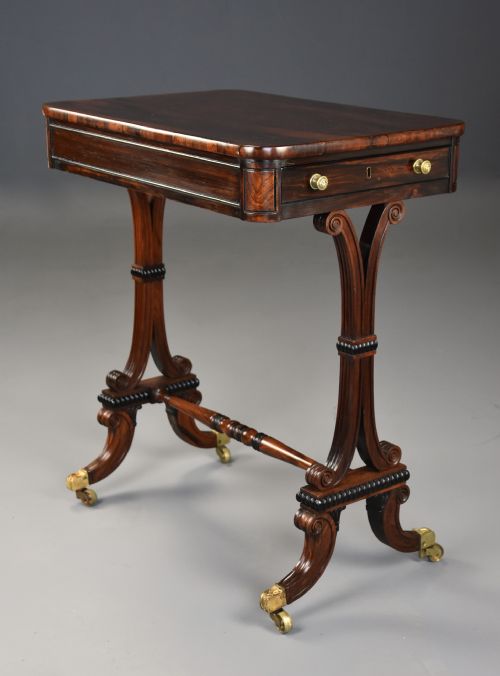
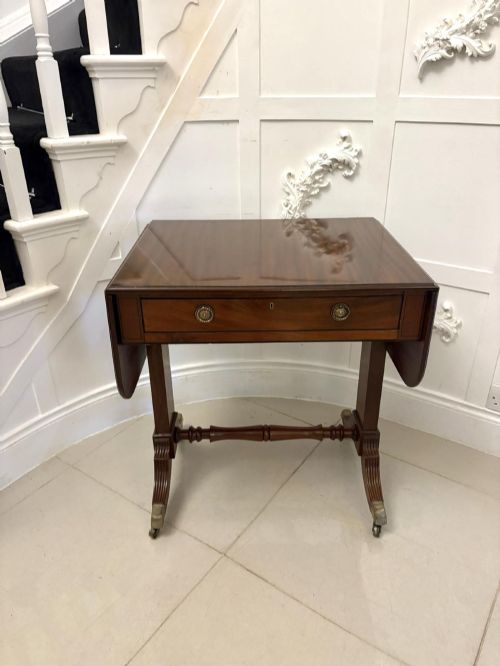
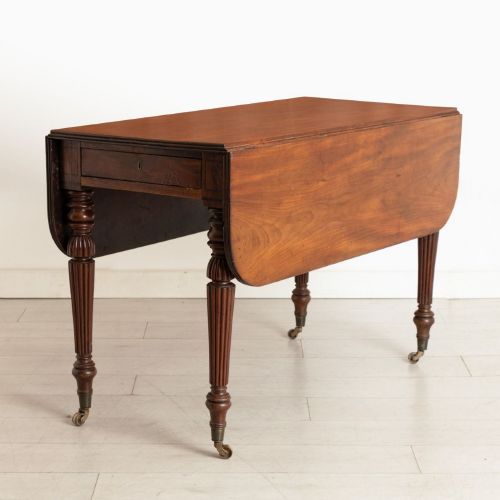
You are most likely to meet mahogany and rosewood pembroke or side tables originating from the Regency period, often featuring drop leaves, single drawers, and distinctive brass inlays or end supports.
What varies in quality
The standard of a brass sofa end table depends largely on the crispness of its cabinetwork and the precision of its brass inlay. Superior examples display seamless integration of metal into timber, whereas lesser pieces show uneven channels or gaps around the brass work.
Timber selection and secondary wood usage further distinguish the range. Tables built with well-figured rosewood or flame mahogany throughout, paired with robust internal framing and original brass hardware, represent the upper tier of craftsmanship.
Brass Sofa End Table Retail Price Guide 2026
Typical asking prices for brass sofa end table among the pieces listed under this phrase on Sellingantiques today, from the lower quarter to the upper quarter. They describe what is for sale here now, not the wider market.
Drop leaves let a table double in width before tea.
Gillows
The Brass Sofa End Table Glossary
- Pembroke table
- A small occasional table featuring two hinged drop leaves on opposite sides. This form gained popularity during the 18th century for flexible use in domestic interiors.
- Sofa table
- A rectangular library or writing table traditionally designed to stand directly in front of a sofa. These pieces typically incorporate end supports and drop flaps.
- Palisander
- A dense, heavily figured exotic timber utilised in high-end cabinetmaking. It provides rich dark tones and striking grain patterns.
- Satinwood inlay
- Contrasting light timber veneers set into darker primary woods. This decorative technique creates intricate borders and geometric motifs on tabletops.
Brass Sofa End Table: Frequently Asked Questions
How were brass sofa end tables used originally?
These tables served multiple domestic functions in period interiors, positioned beside seating to hold lamps, writing materials, or reading books. Their adaptable surfaces and drop leaves allowed them to expand when needed.
In drawing rooms and libraries, they provided a stable, movable writing or work surface close to the hearth or a sofa.
What is a pembroke table?
A pembroke table is a form of occasional table characterised by hinged drop leaves on two opposing sides. This design allowed owners to raise the flaps for extra surface area or drop them to save space.
They frequently include a single frieze drawer and rest on pillar supports or slender legs with castors.
How do I identify a Regency period table?
Regency tables often feature architectural forms, rosewood or mahogany timbers, and characteristic brass inlay or brass mounts. Lyre ends and column supports are also common structural elements from this era.
Proportions tend to be clean and classical, reflecting the influence of Greek and Roman design revival during the early 19th century.
How do I live with an antique end table?
Living with these pieces involves placing them away from direct heat sources and strong sunlight to protect historic timber finishes and veneers. Regular dusting with a dry cloth helps maintain the polished wooden surfaces.
Their compact footprints make them practical beside modern seating, where they function well as lamp tables or side surfaces.