
Brass Shelf Clock
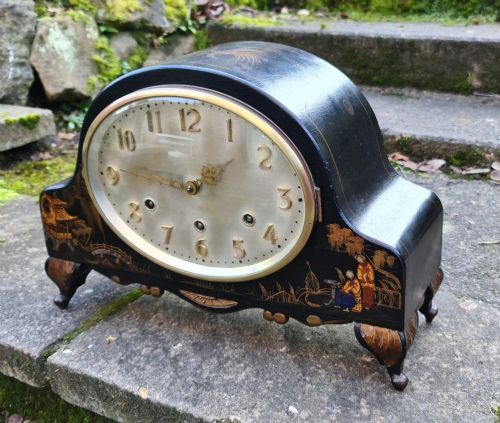
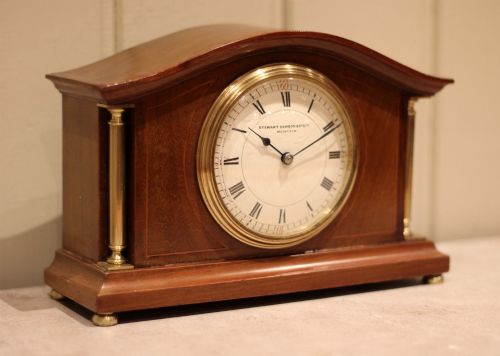
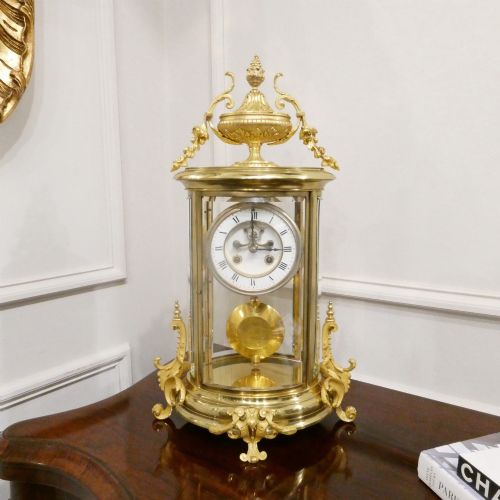
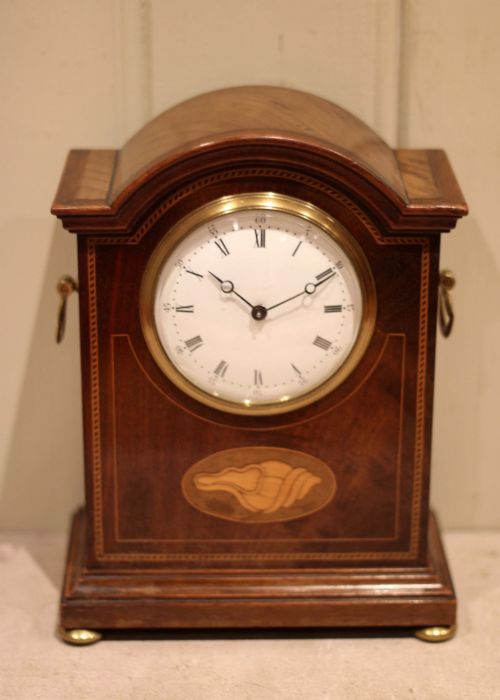
These brass shelf clock examples bring mechanical precision and decorative weight to a room, drawing the eye with polished metal and enamel dials.
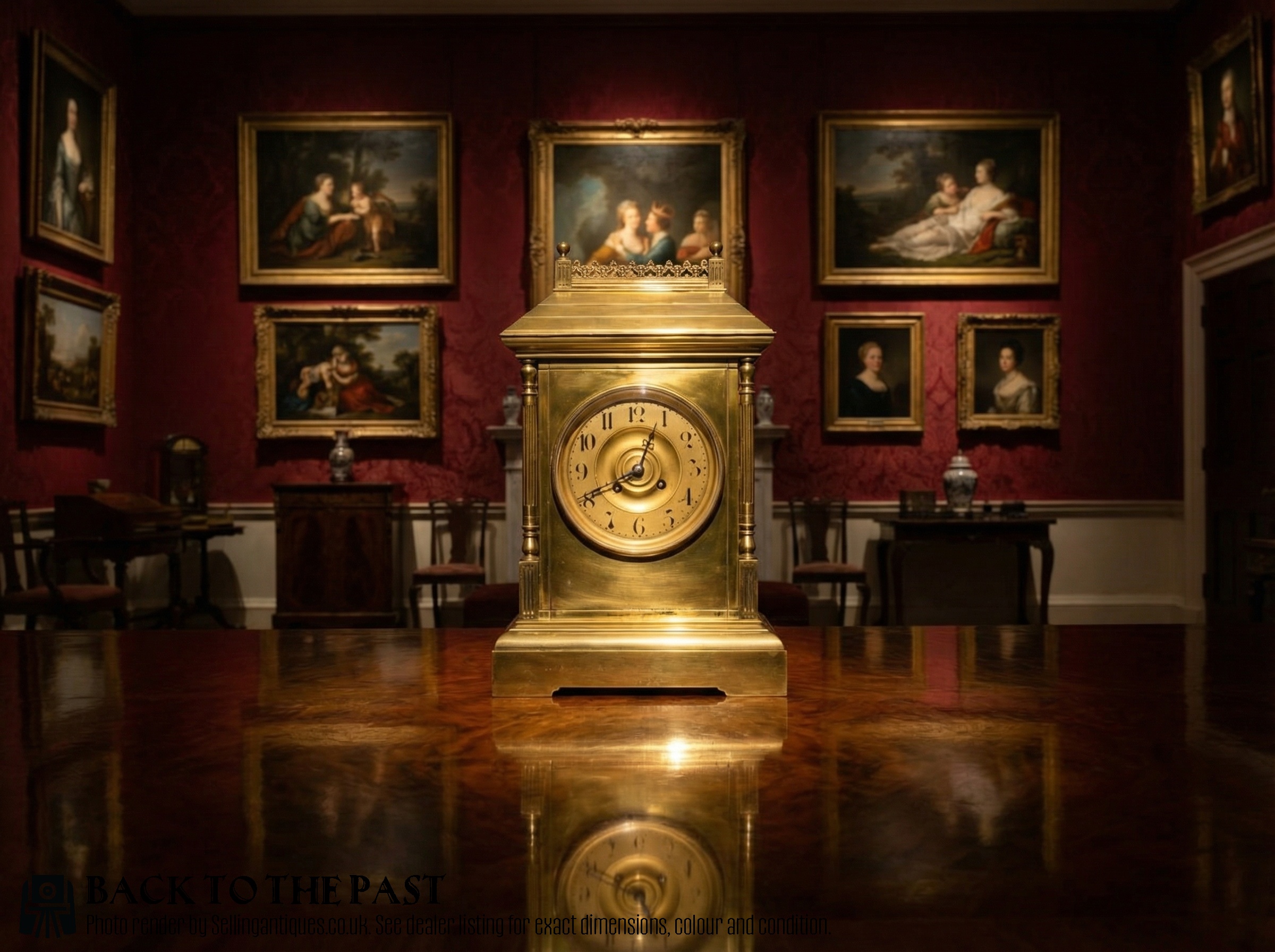
Brass Shelf Clock
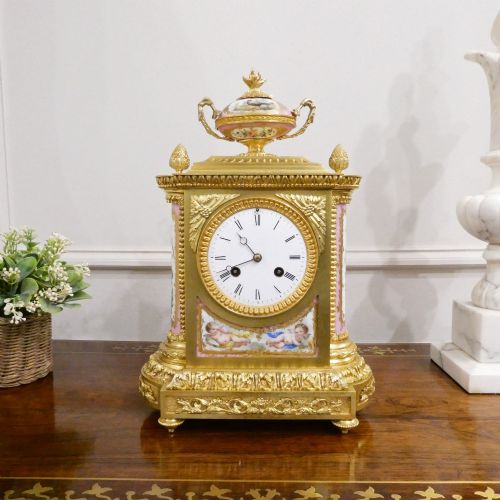
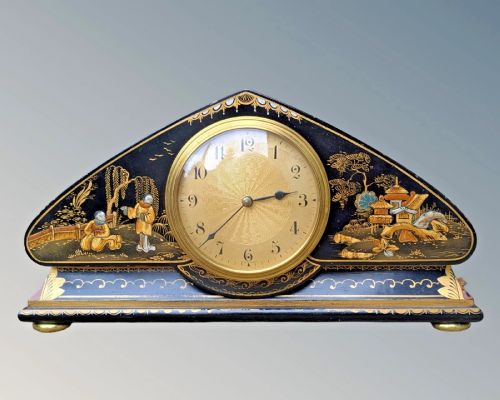
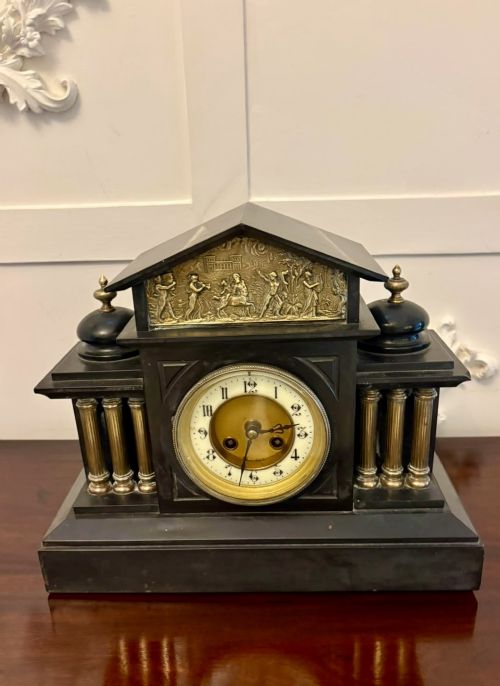
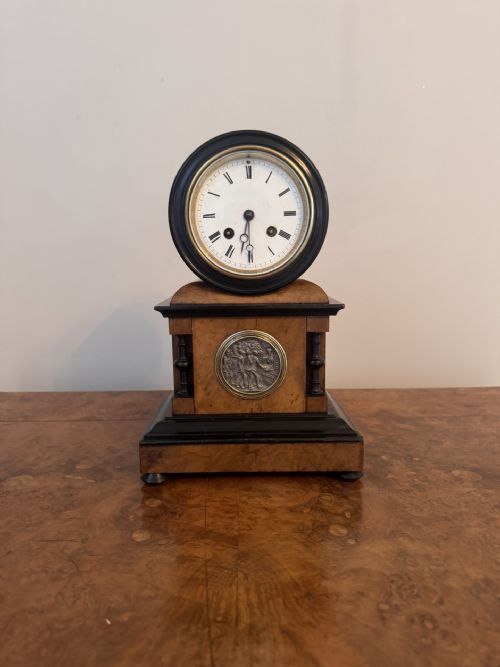
A brass shelf clock sits easily on a mantelpiece, bracket, or side table, combining timekeeping utility with distinct decorative forms. The selection here ranges from compact carriage clocks to substantial architectural and porcelain-mounted pieces.
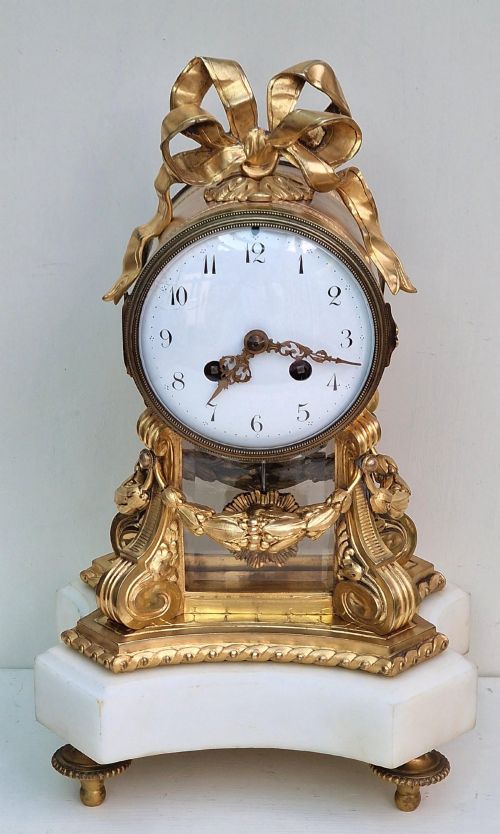
Makers and workshops across Britain, France, and Germany produced these items through the nineteenth and early twentieth centuries. French gilt bronze and porcelain examples sit alongside Edwardian inlaid mahogany pieces and later Art Deco designs.
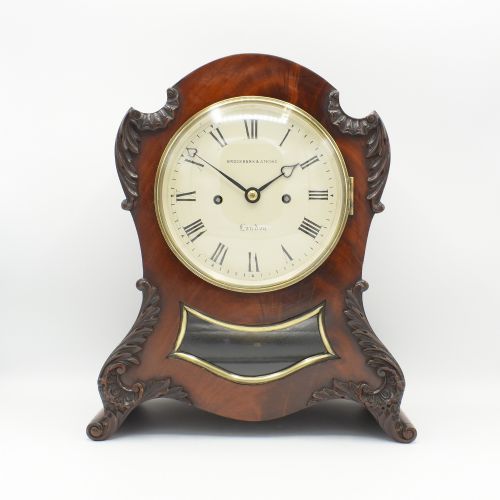
Buyers encounter numerous regional variations, including English bracket clocks, French four-glass clocks, and German anniversary movements. Each variant reflects the specific domestic interior fashions of its respective period.
Materials and construction methods
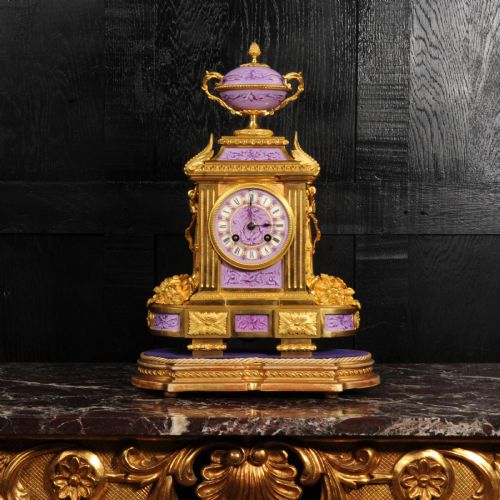
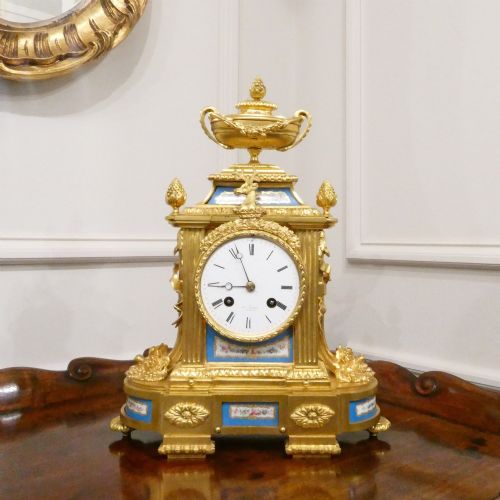
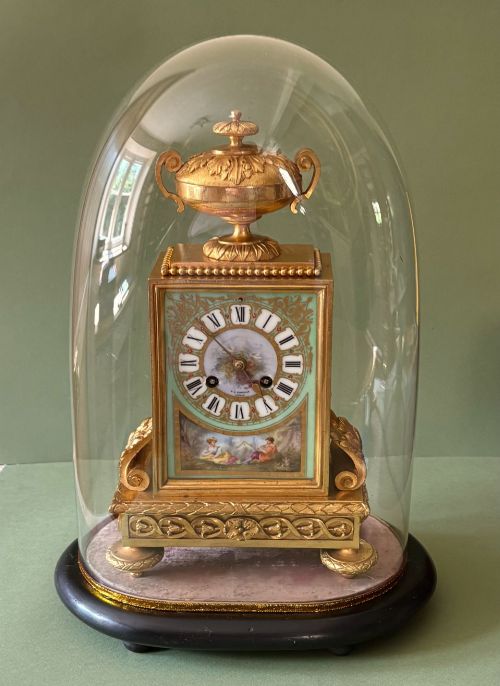
Metalwork forms the structural core of many pieces, utilising brass, gilt bronze, or ormolu cast into intricate architectural and figural shapes. Artisans combined these metals with glass panels, marble bases, and hand-painted porcelain plaques.
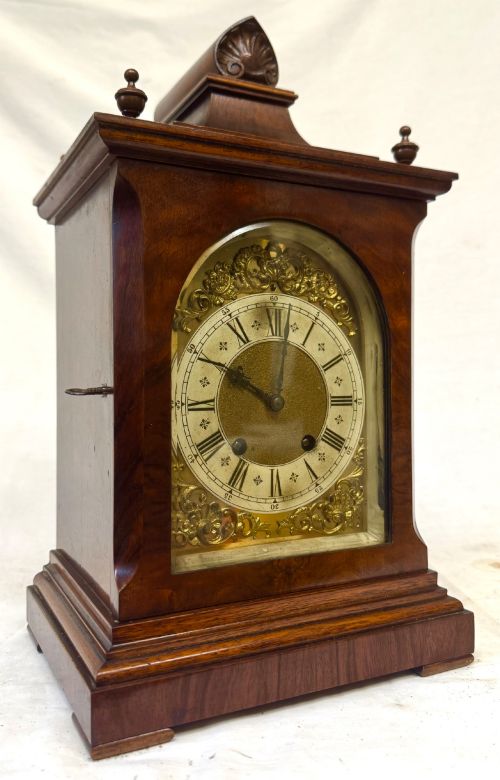
Wooden cases utilise mahogany, walnut, rosewood, and oak, frequently enhanced with marquetry inlay or lacquer work. Dial faces incorporate white enamel, brass chapter rings, and delicate steel hands driven by mechanical movements.
Brass Shelf Clock Retail Price Guide 2026
Typical asking prices for brass shelf clock among the pieces listed under this phrase on Sellingantiques today, from the lower quarter to the upper quarter. They describe what is for sale here now, not the wider market.
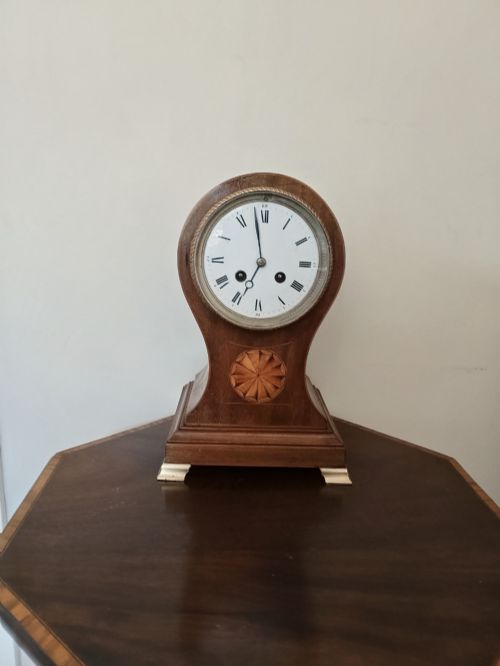
Balloon clocks curve gently upward like a vintage hot-air envelope, giving austere mahogany a surprisingly cheerful silhouette.
Assessing craftsmanship and finish
Quality depends upon the crispness of the metal casting and the precision of the case joinery. Finer specimens display deeply chased ormolu, well-fitted bevelled glass, and hand-painted porcelain details that remain sharp and clear.
The sophistication of the internal movement dictates grade, with repeating complications, platform escapements, and signed backplates separating standard timepieces from exceptional examples.
Achille Brocot·Henry Marc·Samuel Marti·Brockbanks & Atkins·Howell & James London·Charles Pratt London·Etienne Lenoir
The Brass Shelf Clock Glossary
- Ormolu
- Gilded bronze produced by applying a mercury-gilding technique to a cast bronze object. This finish yields a deep, warm metallic lustre.
- Carriage clock
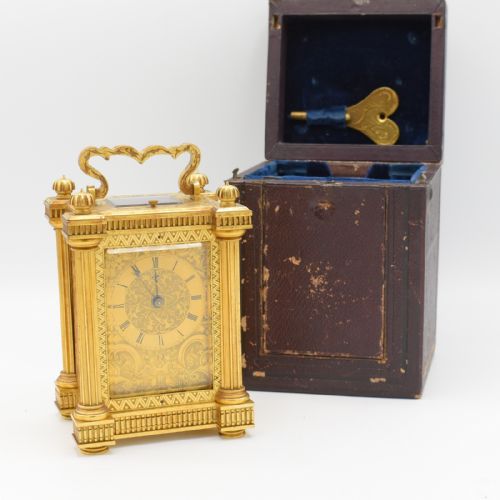
- A portable spring-driven timepiece featuring a carrying handle and glass panels. These were originally designed for travel by coach.
- Champlevé
- An enamelwork technique where troughs are dug into a metal surface and filled with vitreous enamel before firing. It creates vibrant coloured patterns across the brass body.
- Bracket clock
- A portable mechanical clock traditionally set upon a matching wall bracket or shelf. Many feature striking movements and arched wooden cases.
- Escapement
- The internal mechanical linkage that controls the release of gear train energy to regulate the clock. It produces the characteristic ticking sound.
Brass Shelf Clock: Frequently Asked Questions
How do I wind a mechanical shelf clock?
Most mechanical movements require a specific key inserted into the dial arbors to tension the mainsprings. Care must be taken not to overwind the springs to avoid internal damage.
Striking models should be allowed to complete their cycle without manual interference of the hands during the hour count.
Where should I place my clock?
Select a stable, level surface away from direct sunlight, dampness, and major temperature fluctuations. Mantelpieces and sturdy wooden side tables work best for weight distribution.
Ensure the room has minimal vibration to keep the pendulum or balance wheel beating evenly.
How do I identify the period of a clock?
Examine the stylistic cues of the case, such as Regency scrollwork, Victorian architectural motifs, or Art Deco streamline geometry. Materials like bakelite or specific porcelain painting styles also point to distinct decades.
Signatures on dials or movements provide direct links to active maker operating dates.
What maintenance do these clocks need?
Clocks benefit from professional cleaning and lubrication every few years to prevent wear on the brass gear trains. Keeping the exterior glass and metal dust-free preserves the finish.
Moving the clock requires securing the pendulum or internal components to prevent transit damage.