



Brass Rim Side Table
A brass rim side table brings refined proportion and functional surface to a room, uniting timber warmth with polished metalwork.
Brass Rim Side Table
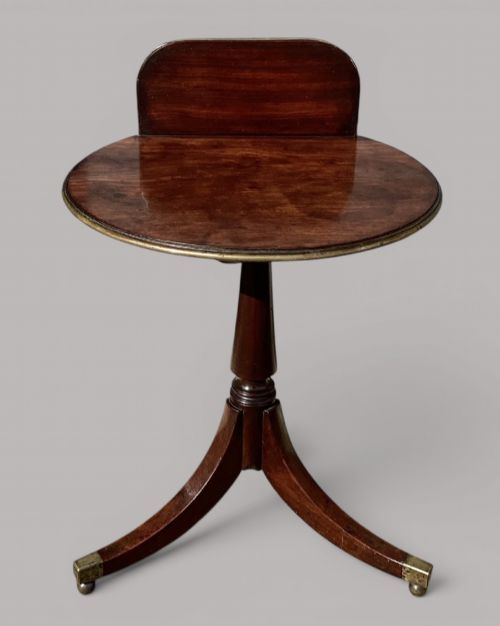
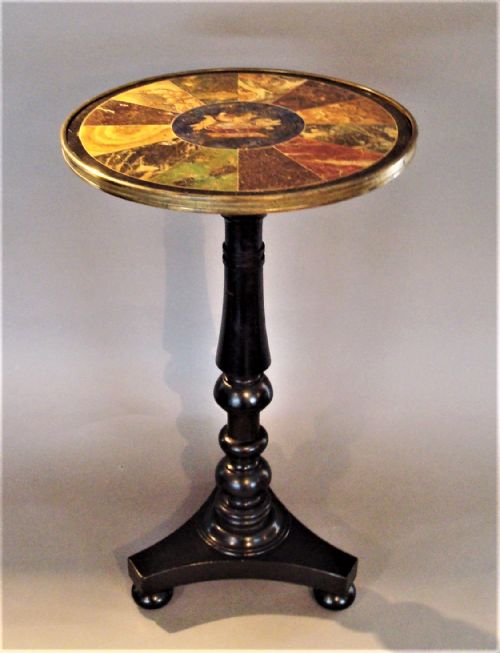
A brass rim side table comprises compact occasional furniture featuring a distinctive raised gallery or edge in brass. These pieces serve practical purposes beside seating while introducing decorative elegance through varied timber frames.
The selections span Georgian mahogany designs alongside French Neoclassical, Louis XV, and Victorian iterations. Buyers frequently encounter circular and two-tier forms incorporating marble, marquetry, and rich veneers.
How they were made
Cabinet makers utilised dense hardwoods such as mahogany, walnut, and coromandel as structural foundations for these tables. Surfaces often display intricate marquetry, parquetry veneer, and specimen wood inlays.
The defining brass rims and galleries were cast or rolled separately before being secured around marble or timber tops. Additional detailing includes simulated marble finishes and ebonised wood accents.
Materials recorded across the inventory include solid brass, mahogany, walnut, marble, ebonised wood, kingwood, and specimen wood veneers.
What varies in quality
Distinction in quality rests upon the crispness of the timber marquetry and the weight of the brass gallery. Superior examples display seamless integration of metal rims into the underlying stone or wood surface.
The choice of secondary timbers and the precision of veneer matching dictate the standing of a piece within its period. Tables exhibiting restrained French styles or early Georgian cabinet work demonstrate elevated craftsmanship.
W. Turner Lord & Co
The Brass Rim Side Table Glossary
- Brass gallery
- A low pierced or solid metal railing fitted around the edge of a table top to prevent objects from sliding off.
- Marquetry
- Decorative patterns formed by fitting together thin slices of various coloured woods and veneers onto a structural surface.
- Gueridon
- A small French occasional table, frequently round and supported on a central pillar or slender legs.
- Parquetry
- Geometric mosaic woodwork used for decorative floors, cabinet doors, and table tops.
Brass Rim Side Table: Frequently Asked Questions
What is a brass rim side table used for?
These tables provide a convenient surface for holding small decorative objects, lamps, or drinks in a sitting room or hallway. Their compact dimensions allow them to fit easily beside armchairs or against walls.
The raised brass rim ensures items remain secure while adding a distinct decorative border to the furniture piece.
How do I distinguish French styles from Georgian ones?
French examples from this selection often showcase marquetry veneers, serpentine lines, and white marble tops influenced by Louis XV and Empire tastes. They lean towards decorative display.
Georgian pieces rely more upon solid mahogany construction, tripod bases, and restrained proportions. Their focus centres on functional elegance and timber grain.
Are these tables suitable for everyday use?
Most of these occasional pieces withstand normal daily placement in modern rooms provided they receive sensible care. Polished timber and marble surfaces require simple dusting and protection from excessive moisture.
Heavier items should not be placed on delicate multi-tiered versions or fragile gallery edges.
What woods appear most frequently in these listings?
Mahogany forms the primary timber for the Georgian pieces, offering strength and deep reddish-brown tones. Walnut and exotic specimen woods feature prominently in the French decorative designs.
Ebonised wood and coromandel also appear to provide striking contrast and varied surface textures.