
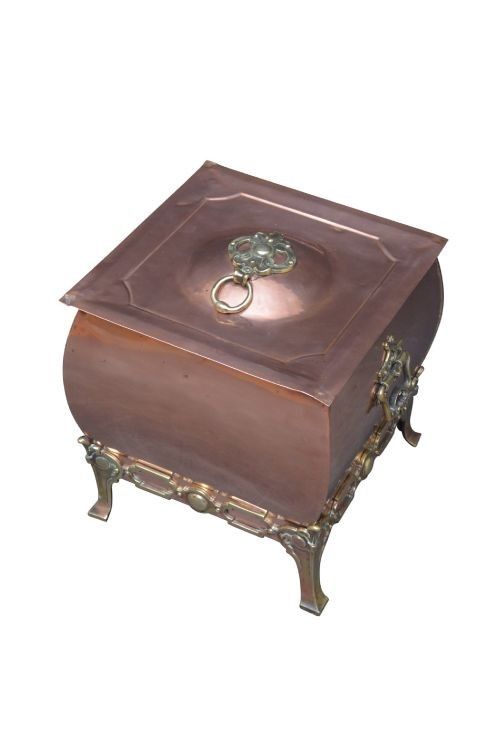

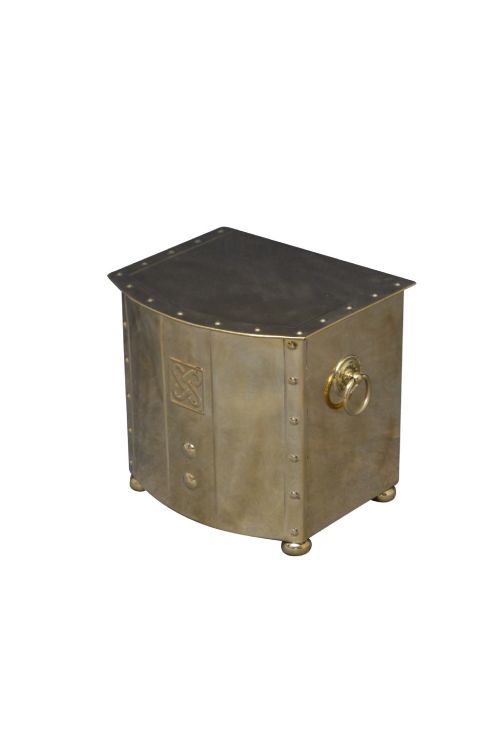


Brass Planter Box
These brass planter box pieces are robust vessels designed to hold greenery or fuel, prized for their decorative metalwork.
Brass Planter Box
When you search for a brass planter box, you encounter a varied group of utilitarian vessels and jardinieres designed for domestic horticulture or hearthside storage. The listings on this page span several centuries, including pieces from the Georgian, Victorian and Edwardian eras, as well as the 1920s and 1930s.
The forms range from square plant stands and French jardinieres to coal scuttles, log bins and wine coolers adapted for botanical use. Materials extend beyond pure brass to include copper, mahogany, zinc, iron, galvanised steel and bronze.
Styles represented across the inventory include French Empire, Arts and Crafts, Late Victorian and Grand Regency designs. You are most likely to meet pieces that combine brass bodies with repoussé decoration, animal heads or wooden box tree forms.
How they were made
These items rely on traditional metalworking techniques such as hand-beating, repoussé surface decoration and structural joining using iron or bronze elements. Brass and copper sheet metal forms the primary body of many jardinieres, often paired with internal metal linings like zinc or galvanised steel to hold damp soil.
Cabinetmakers utilised timber such as mahogany and box tree for specific stands and wine cooler conversions, incorporating metal liners to withstand moisture. Artisans applied surface ornamentation by hand, creating detailed animal heads and classical motifs characteristic of the Victorian and French Empire styles.
A few resilient beasts guard these listings, manifesting as brass repoussé animal heads and solid bronze lions holding the line.
What varies in quality
The distinction between standard examples and top-tier pieces lies in the weight of the metal and the crispness of the hand-chased repoussé work. Heavier gauge brass and thick copper demonstrate superior material investment, whereas lighter domestic items show simpler construction.
Design complexity also defines the range, from plain utilitarian metal log bins to sculptural French bronze lion jardinieres and intricately detailed Arts and Crafts pieces. The integrity of internal linings and the presence of original stands further distinguish finer specimens.
The Brass Planter Box Glossary
- Repoussé
- A metalworking technique where the artisan hammers the metal from the reverse side to create a raised design on the front. This process defines the detailed surface ornamentation seen on many period pieces.
- Cellarette
- A lockable container used originally to hold bottles of wine, frequently adapted over time for alternative storage uses by the hearth.
- Galvanised steel
- Steel coated with a protective layer of zinc to prevent rusting. This material frequently appears as an internal lining in moisture-holding plant vessels.
- Arts and Crafts
- A design movement valuing traditional craftsmanship and simple forms. Pieces from this era often display honest construction and hand-worked metal textures.
Brass Planter Box: Frequently Asked Questions
What is a brass planter box used for?
These vessels serve primarily to house potted plants and indoor foliage, acting as decorative cache-pots for domestic interiors. Many examples double as hearthside containers for coal, logs or kindling.
Historically, similar forms operated as wine coolers or cellarettes for dining rooms. Today, buyers utilise them to display greenery while adding period character to a room.
How do I clean brass and copper?
Maintenance depends on the desired finish, as many collectors prefer to retain the aged patina accumulated over decades. Gentle dusting and occasional wiping with a soft, dry cloth maintain the surface safely.
Harsh chemical cleaners strip the natural oxidation that signifies age. If polishing is necessary, use a mild metal cream applied sparingly with a soft cloth.
How can I tell the age of a planter?
Dating relies on examining the construction methods, materials and stylistic motifs characteristic of specific periods. Georgian and Victorian pieces often display hand-beaten seams and heavy cast brass mounts, whereas 1930s items reflect Art Deco geometric simplification.
The presence of secondary woods like mahogany or specific hardware helps anchor the piece to a manufacturing era.
Are these planters waterproof?
Many period pieces incorporate internal linings made from zinc, galvanised steel or copper to handle moisture from damp soil. Over time, however, these older linings can develop leaks or corrosion.
It is advisable to check the interior condition before placing live potted plants directly inside, and using a plastic saucer provides additional protection.