

Brass Pedestal Table
A brass pedestal table brings the warm metallic gleam and sturdy central support of past centuries directly into a modern room.
Brass Pedestal Table
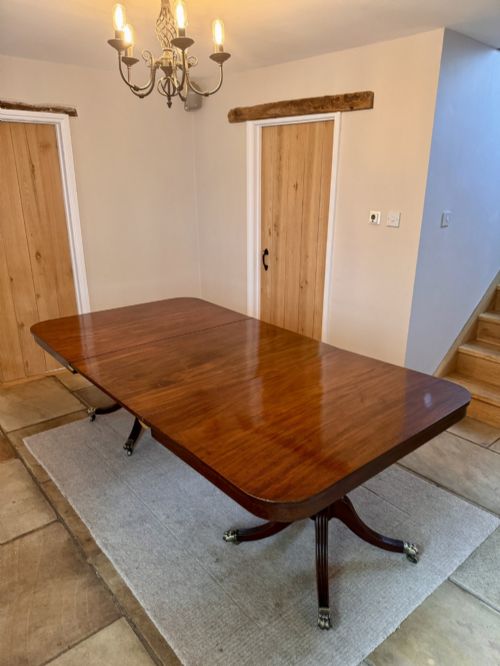
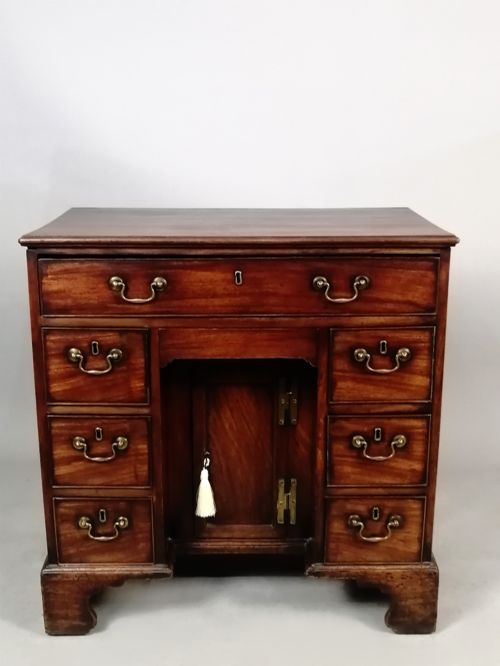
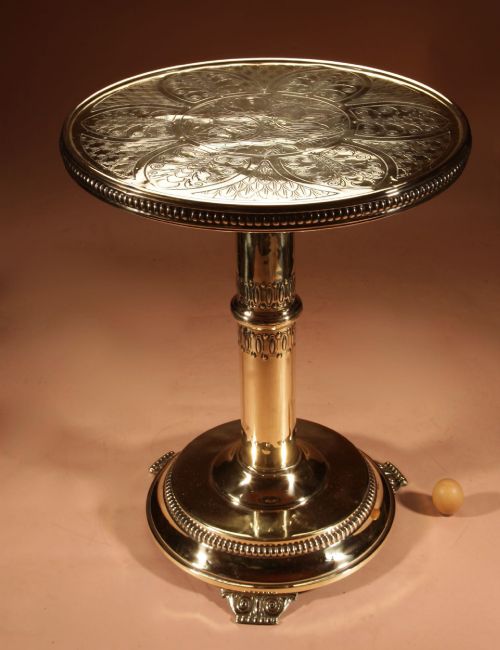
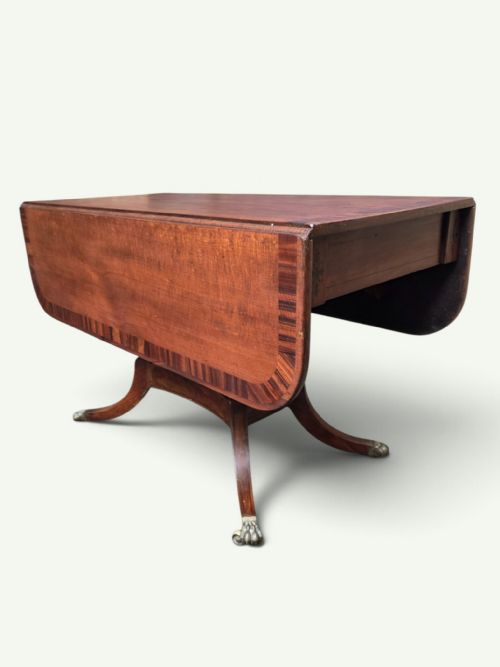
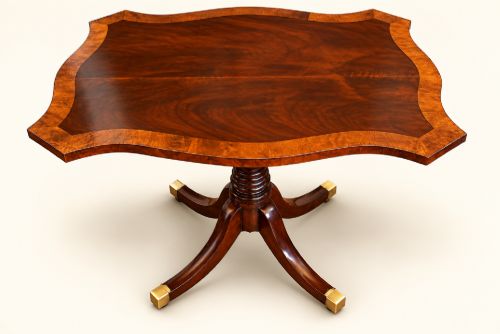
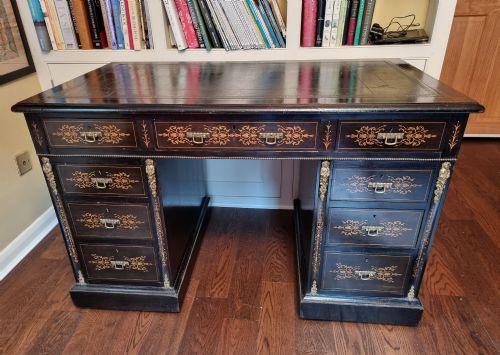
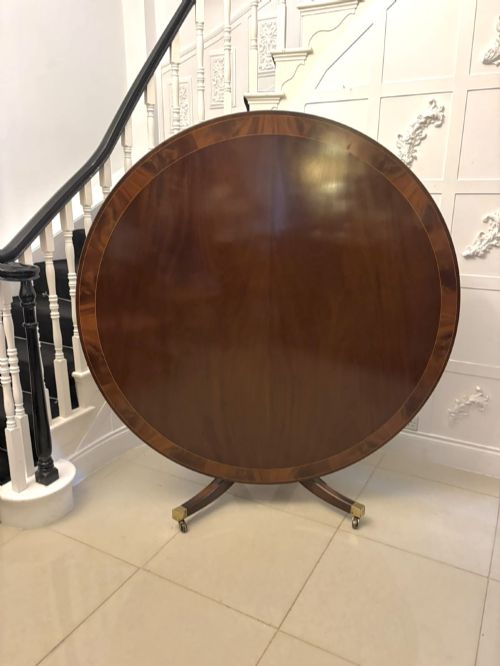
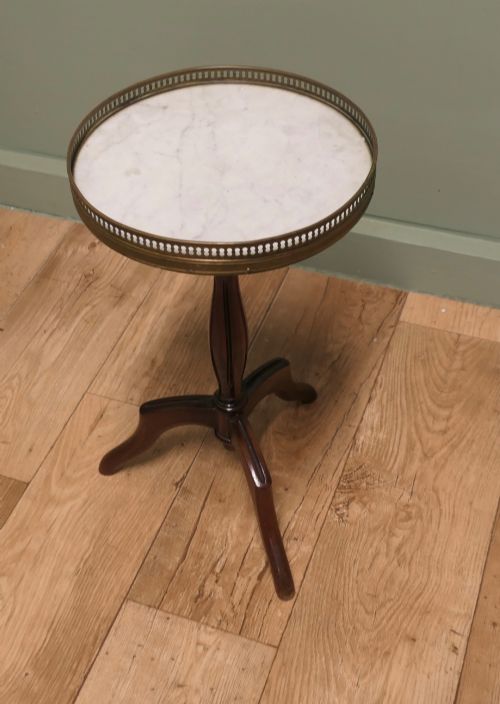
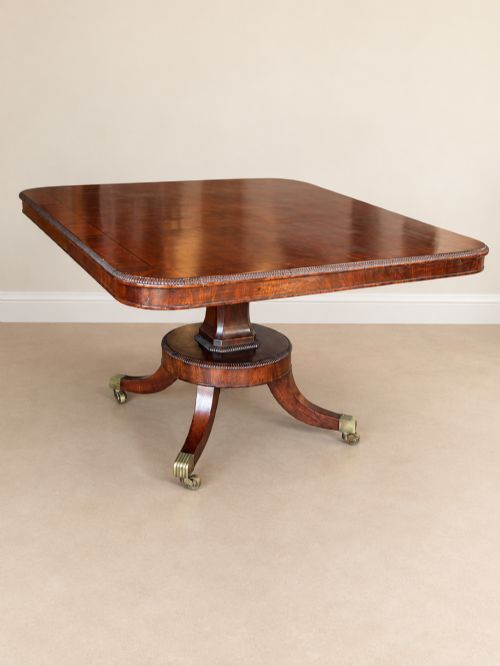
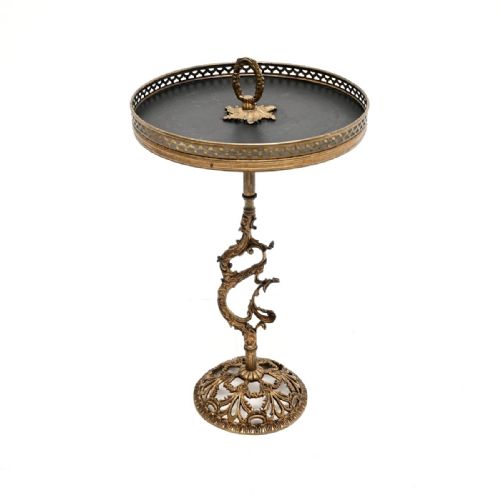
A brass pedestal table combines a central column or pillar support with timber surfaces, often enriched with brass inlay, mounts, or castors. When buyers search for a brass pedestal table, they encounter forms ranging from compact lamp tables to large dining and card tables spanning the Georgian, Regency, and Victorian periods.
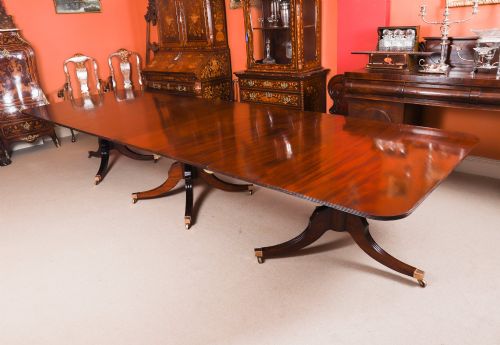
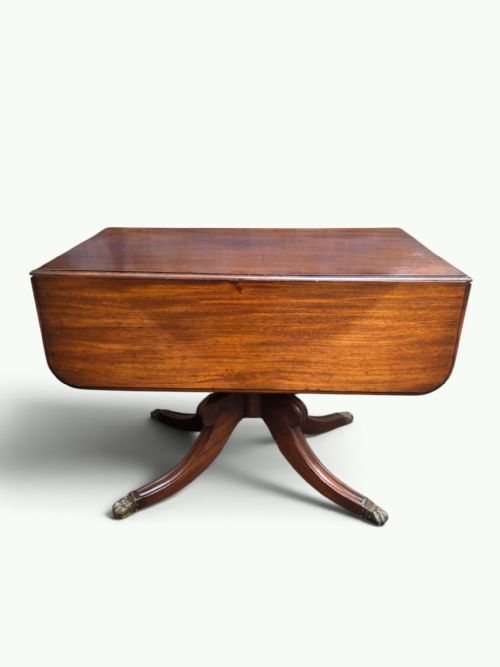
Many examples integrate brass accents into mahogany, rosewood, and oak structures. These pieces include fold-over console tables, Pembroke tables, and circular centre tables supported by a single column or multiple pedestals.
Materials and construction
Cabinet makers utilised dense hardwoods such as mahogany, rosewood, and walnut for the primary surfaces and pedestal columns. These timbers often display figured grain patterns and rich natural patinas built up over generations.
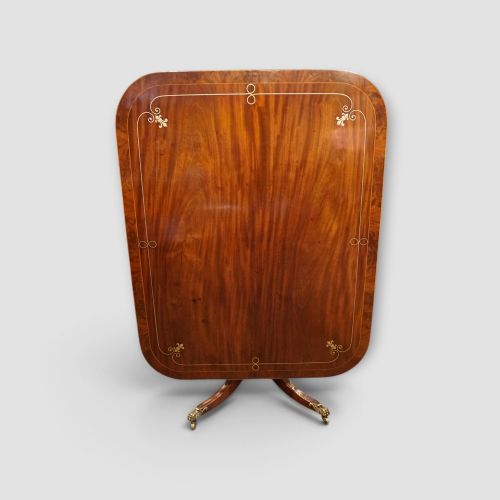
Brass elements appear as precision-cut stringing inlaid into timber tops, cast metal paw feet, and structural mounts. Joinery techniques from the periods relied on solid pillar supports and sturdy internal framing to bear the weight of extendable dining surfaces and heavy marble or wood tops.
Brass Pedestal Table Retail Price Guide 2026
Typical asking prices for brass pedestal table among the pieces listed under this phrase on Sellingantiques today, from the lower quarter to the upper quarter. They describe what is for sale here now, not the wider market.
The listings span the eighteenth, nineteenth, and twentieth centuries, uniting George III, Regency, Victorian, and Edwardian periods through shared mahogany, rosewood, and brass materials.
Judging quality in pedestal furniture
Quality rests on the crispness of the brass inlay work and the depth of the timber figuring. Finer pieces display meticulously fitted metalwork embedded flush into the wood, alongside stable pillar and claw bases that support the weight without wobble.
The distinction between standard items and the finest examples lies in the selection of primary timbers like flame mahogany or rosewood, coupled with the fluidity of the carved pedestal details and the integration of original brass castors.
Gillows of Lancaster·Trollope & sons·George Bullock·Thomas Butler of London·Edwards & Roberts
The Brass Pedestal Table Glossary
- Pedestal table
- A table supported by a central pillar or column rather than four corner legs. This construction allows for greater seating clearance around dining tables.
- Brass inlay
- Metal strips set flush into the surface of timber to create geometric or floral patterns. It is frequently seen in Regency and George III furniture.
- Console table
- A table designed to stand against a wall, often featuring a fold-over top supported on a pillar base. These served decorative and functional roles in formal rooms.
- Crossbanding
- A border of veneer laid around the edge of a table top with the grain running at right angles to the centre. This technique frames the primary timber.
- Castor
- A small wheel attached to the base of furniture legs or pedestals to aid movement. Period examples often incorporate brass socket castors shaped like lion paws.
Brass Pedestal Table: Frequently Asked Questions
How do I date a brass pedestal table?
Dating relies on observing the timber species, construction methods, and the style of the brass mounts and inlay work. Regency and Georgian pieces typically feature hand-cut brass stringing and dense native or imported hardwoods.
Later revival pieces from the twentieth century often display machine-tooled elements and different internal joinery methods. Comparing the secondary timbers and the wear on the pedestal base helps confirm the era of manufacture.
Were these tables used for dining?
Many pedestal tables served specific dining functions, particularly multi-pillar extending formats designed to accommodate large groups. Smaller versions functioned as tea, card, or breakfast tables in formal reception rooms.
The central pillar construction allowed diners to sit comfortably without corner legs obstructing their chairs. Drop-leaf and fold-over mechanisms also provided versatility for changing room layouts.
How do I care for the brass and mahogany?
Maintaining the wood requires simple dusting with a soft cloth and occasional treatment with appropriate wax to preserve the patina. Harsh chemical cleaners must be avoided on both timber and metal surfaces.
Brass inlay and mounts benefit from gentle cleaning to prevent tarnishing without disturbing the surrounding wood veneer. Keeping the table away from direct heat sources prevents the timber from splitting.