


Brass Oil Lamp Conversion
A brass oil lamp conversion brings nineteenth-century domestic lighting into modern rooms through skilful electrification.
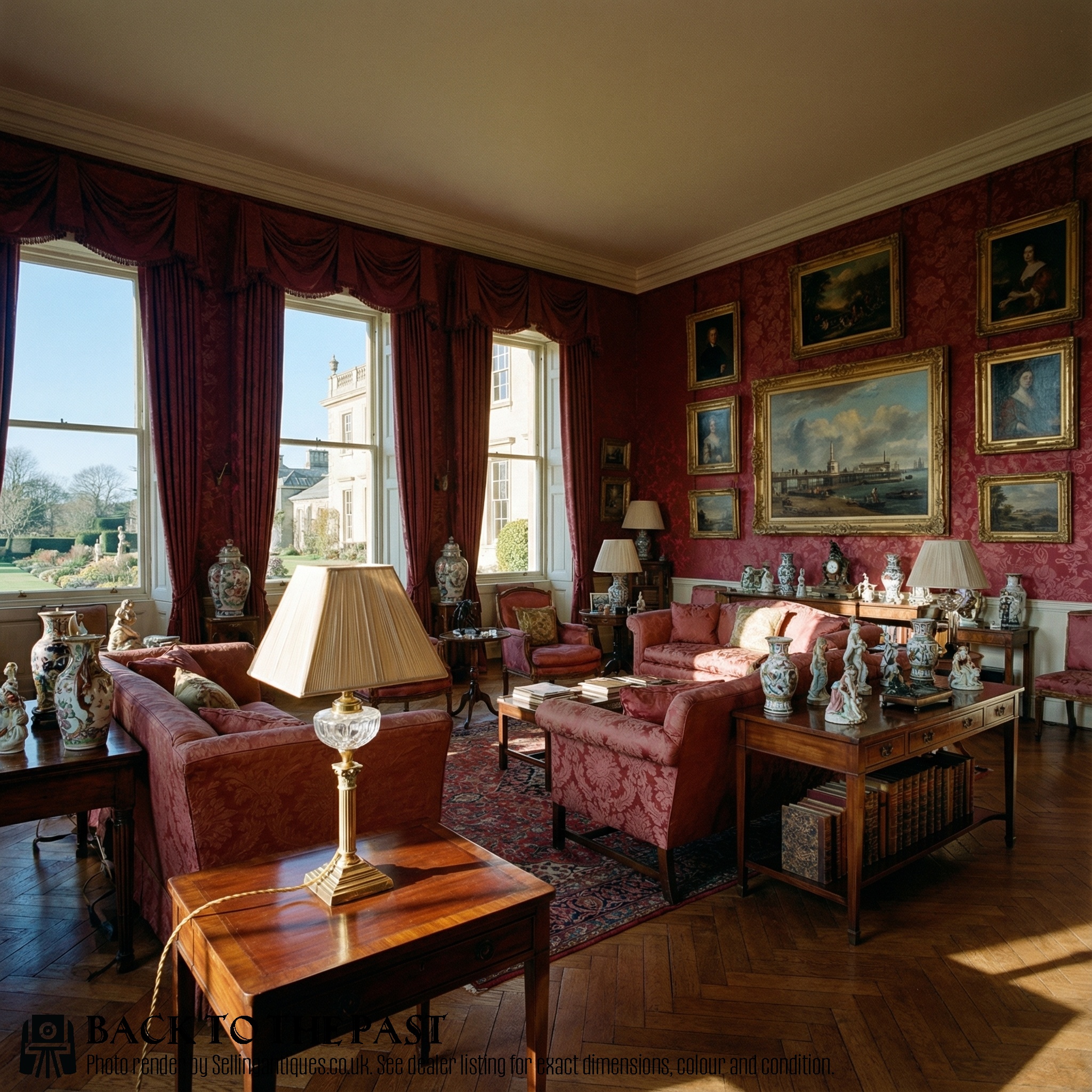
Brass Oil Lamp Conversion
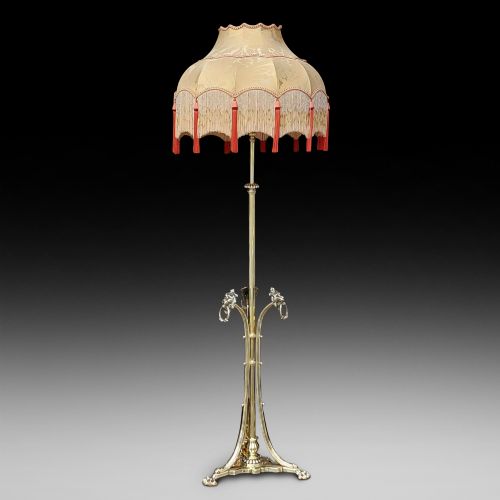
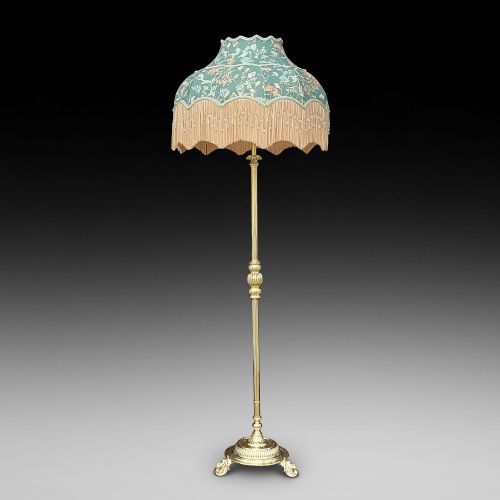
When you search for brass oil lamp conversion, you are looking at nineteenth-century lighting, predominantly from the Victorian and Edwardian periods, that has been adapted to run on electricity. These pieces span both table lamps and tall floor-standing standard lamps designed to illuminate period interiors.
The forms originate from the era of oil burning, frequently featuring adjustable columns, telescopic stems, and substantial weighted bases. Originating across Britain and continental Europe, they combine solid brass construction with decorative reservoirs and columns.
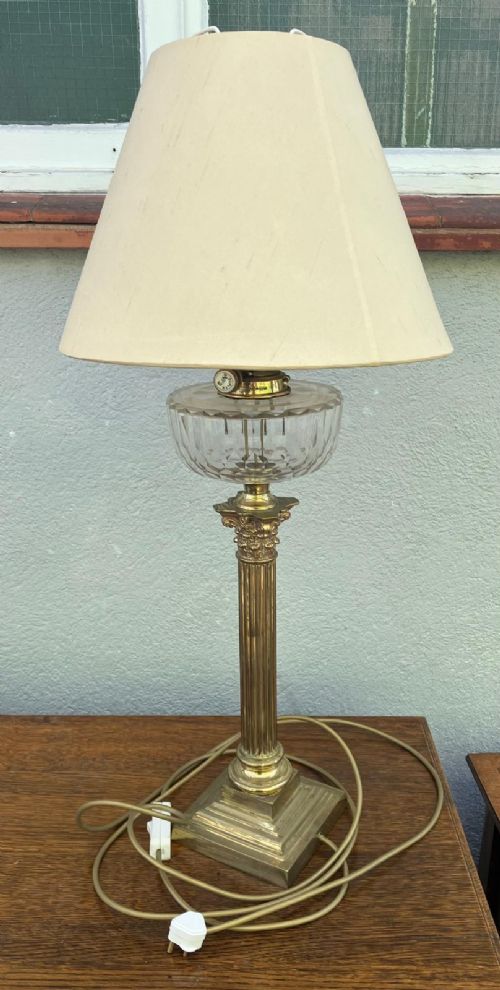
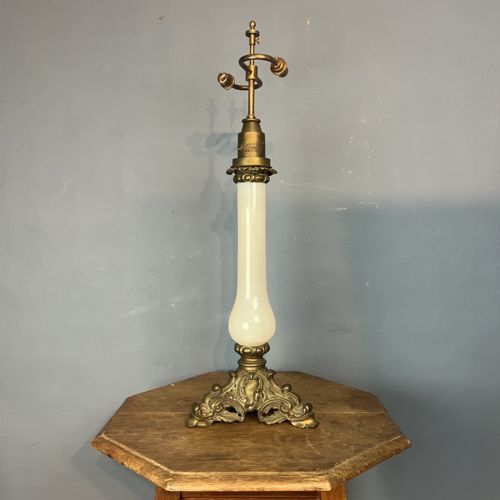
The selection on this page demonstrates various styles, including Corinthian column designs, neoclassical revivals, and organic Art Nouveau motifs. Many combine brass with contrasting materials such as opaline glass, ceramic, and bronze.
How they were made
Maker workshops utilised heavy brass casting and fabrication to build the structural columns and weighted bases necessary to support heavy glass or ceramic reservoirs. Metalwork often incorporates repoussé detailing or fine chasing to achieve decorative surfaces.
Reservoirs and bodies frequently pair this metalwork with opaline glass, cut glass, or glazed faience pottery. These delicate components were fitted securely into metal mounts during original manufacture before later adaptation for electrical wiring.
Brass Oil Lamp Conversion Retail Price Guide 2026
Typical asking prices for brass oil lamp conversion among the pieces listed under this phrase on Sellingantiques today, from the lower quarter to the upper quarter. They describe what is for sale here now, not the wider market.
Some telescopic standard lamps hide their adjustment mechanism so well they still try to surprise unsuspecting guests with a sudden growth spurt.
What varies in quality
The distinction between standard examples and the finest pieces lies in the weight of the brass and the crispness of the casting. Monumental proportions, intricate Corinthian capitals, and signed work by known makers elevate individual pieces.
Materials also dictate quality, particularly the presence of hand-painted faience, heavy cut glass reservoirs, or fire-gilt bronze mounts. The execution of the original metalwork and the integration of the conversion wiring determine the overall standard.
JOSEPH HINKS·Hinks·Mc Gary·Messenger
The Brass Oil Lamp Conversion Glossary
- Standard lamp
- A tall floor-standing lamp designed to rest directly upon the floor. These pieces often incorporate telescopic mechanisms to adjust height.
- Reservoir
- The container that originally held lamp oil before conversion to electricity. They are frequently fashioned from opaline glass, cut glass, or ceramic.
- Corinthian column
- An architectural column style featuring ornate leaf-carved capitals. It is a common motif in nineteenth-century brass lamp design.
- Opaline glass
- A translucent, milky glass popular in nineteenth-century lighting. It softens the light emitted from the burner or bulb.
- Repoussé
- A metalworking technique where metal is hammered from the reverse side to form a raised design. French pieces frequently display this decorative approach.
Brass Oil Lamp Conversion: Frequently Asked Questions
How are old oil lamps wired?
Electrical wiring is routed through the original central channels where the wick mechanism once sat, preserving the external appearance of the metal column.
Modern internal components ensure safety while maintaining the historic character of the standard lamp.
Can standard lamps adjust height?
Many Victorian standard lamps feature telescopic columns that allow the height to be altered by sliding the inner shaft upward.
This practical mechanism originally permitted adjustments to the light level in a room.
What is an opaline reservoir?
An opaline reservoir is a milky, semi-translucent glass container that sat atop the brass column to hold lamp oil.
In converted pieces, this striking coloured glass component remains a decorative focal point.
How do I identify a nineteenth-century lamp?
Nineteenth-century lighting is identified through heavy brass casting, specific period column styles like Corinthian orders, and maker stamps.
Materials such as bronze, faience, and opaline glass also point directly to this manufacturing era.