


Brass Mount Table
A brass mount table brings rich timber and refined metalwork together, offering a functional surface with distinct period character.
Brass Mount Table
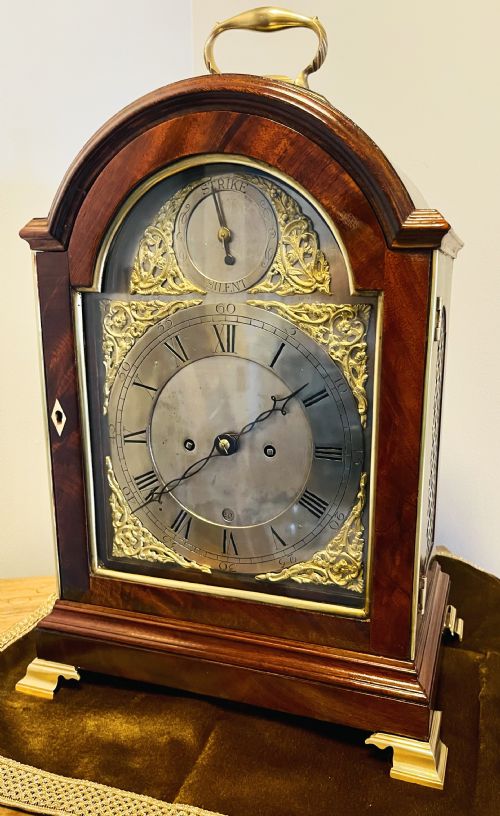
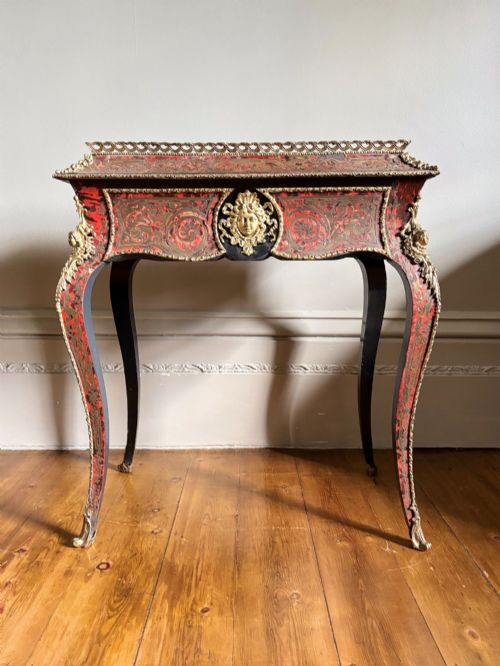
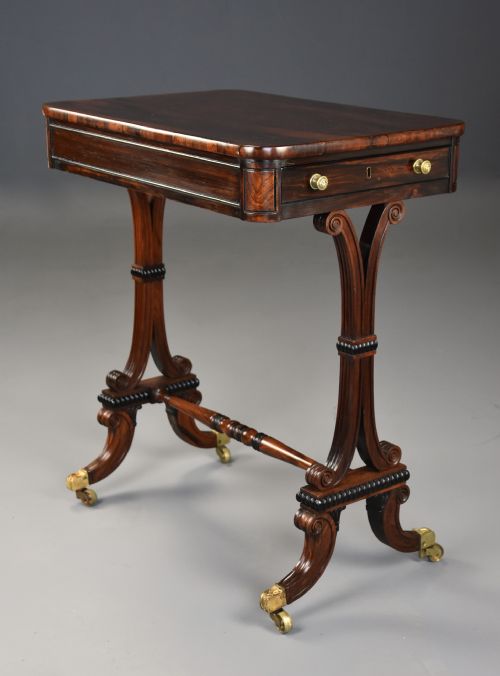
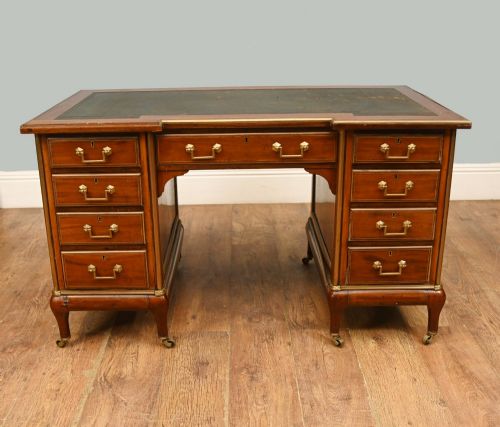
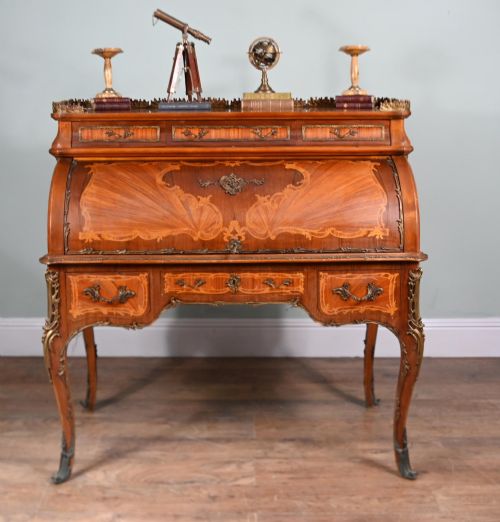
A brass mount table encompasses various functional forms, including side tables, coffee tables, display cabinets, and writing desks. These pieces originate predominantly from the nineteenth and early twentieth centuries, spanning Victorian, Edwardian, and various French revival periods.
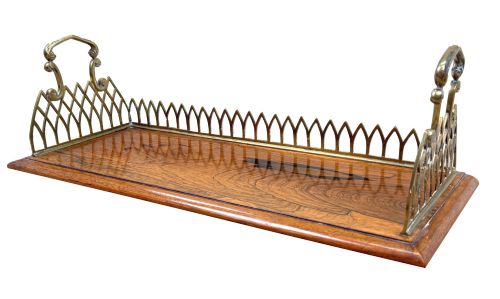
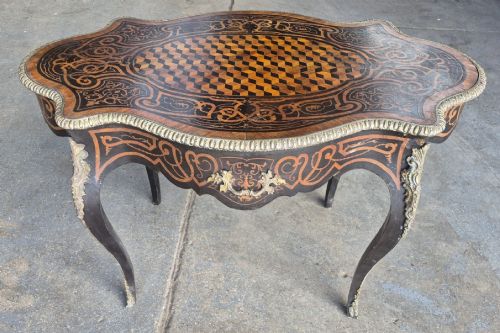
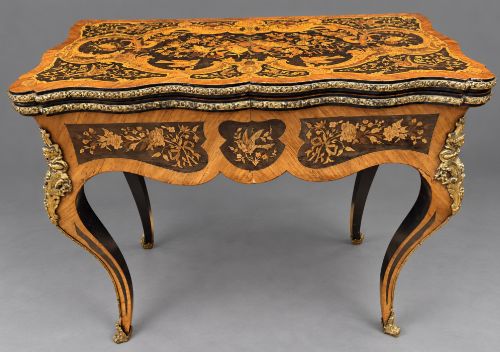
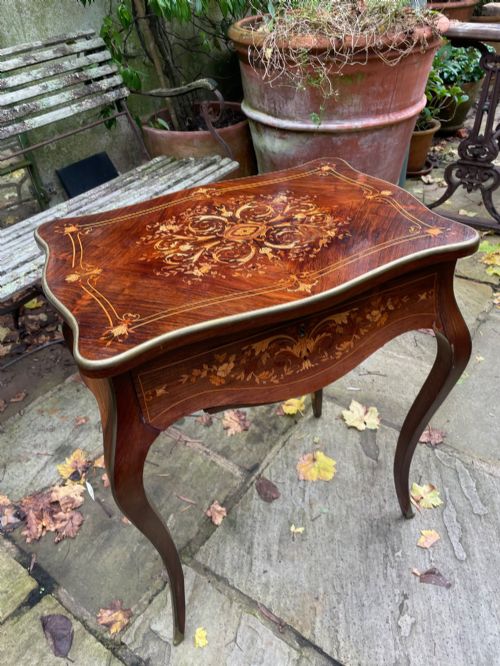
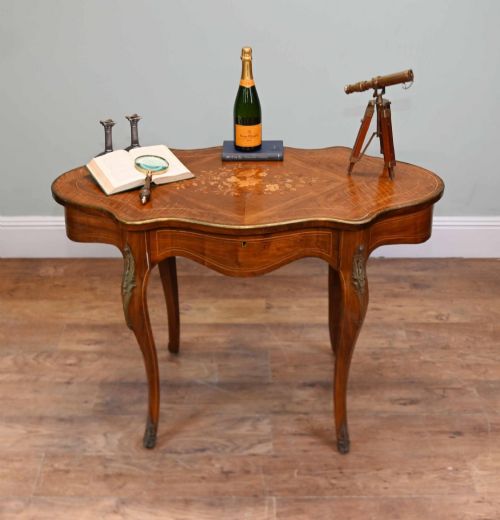
The most common variants encountered on this page are French occasional and coffee tables, often showcasing intricate marquetry or parquetry. Side tables and desks featuring gallery rails or inset mounts also appear frequently across these listings.
Materials and Technique
These tables rely on dense hardwoods such as mahogany, kingwood, walnut, and rosewood as a structural base. Cabinetmakers frequently employed exotic veneers arranged in geometric parquetry or floral marquetry patterns across the surfaces.
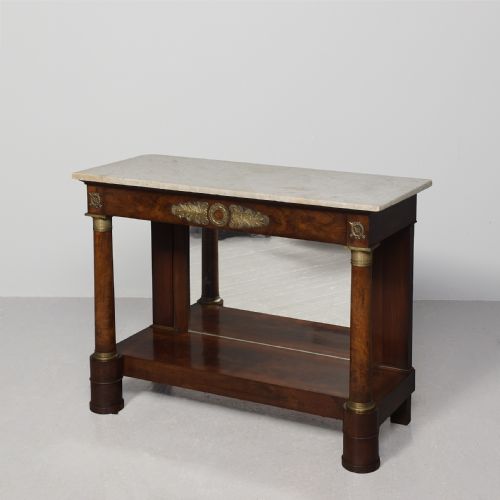
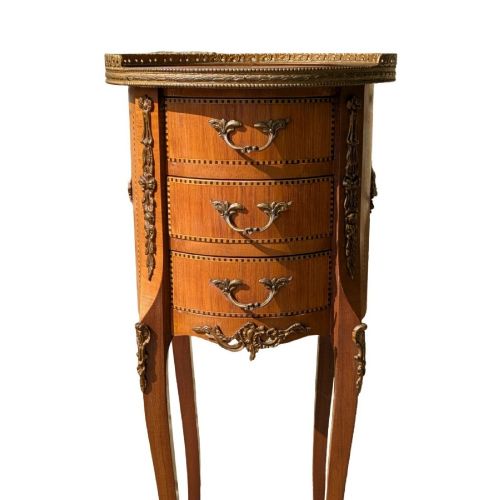
Cast metal details, including brass mounts, ormolu, and gilt bronze, are secured to corners, legs, and aprons to accent the timber. Glass panels and marble tops also feature heavily on display and lamp tables of the period.
Brass Mount Table Retail Price Guide 2026
Typical asking prices for brass mount table among the pieces listed under this phrase on Sellingantiques today, from the lower quarter to the upper quarter. They describe what is for sale here now, not the wider market.
Some miniature grandfather clock tables exist solely to confuse timekeeping giants.
Evaluating Construction
The distinction between standard and exceptional pieces rests in the crispness of the metal casting and the precision of the timber joinery. Finer tables display hand-chased mounts with sharp relief, whereas lesser examples use simpler, cast elements with softer definition.
Veneer selection and inlay work further separate the tiers of craftsmanship. Superior items utilise choice cuts of figured mahogany, amboyna, or tortoiseshell, integrated seamlessly into the carcase without lifting or misalignment.
Edwards and Roberts·Maison Millet·François Linke·Thomas Howard·Thuret
The Brass Mount Table Glossary
- Ormolu
- Gilded bronze applied as a decorative mount on furniture and clocks. The technique involves coating bronze in a mercury and gold amalgam before heating.
- Marquetry
- Decorative veneer work forming pictorial or geometric patterns using various woods. Craftsmen cut thin sheets of timber to fit exact puzzle-like recesses.
- Parquetry
- Geometric wood inlay forming repeating patterns such as cubes or chequers. This technique contrasts different timber grains to create visual depth.
- Bijouterie table
- A glass-topped display table designed to showcase small valuables and curiosities. These pieces often feature hinged lids and velvet-lined interiors.
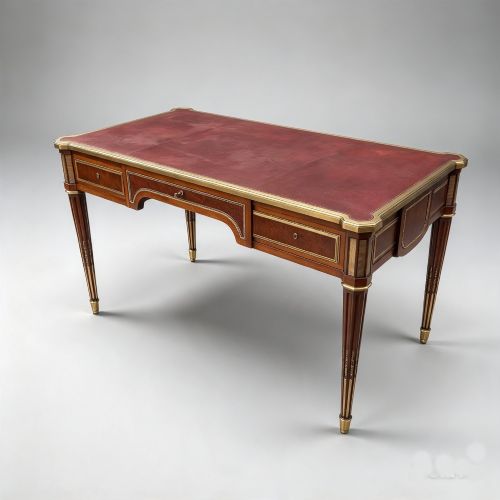
- Bureau plat
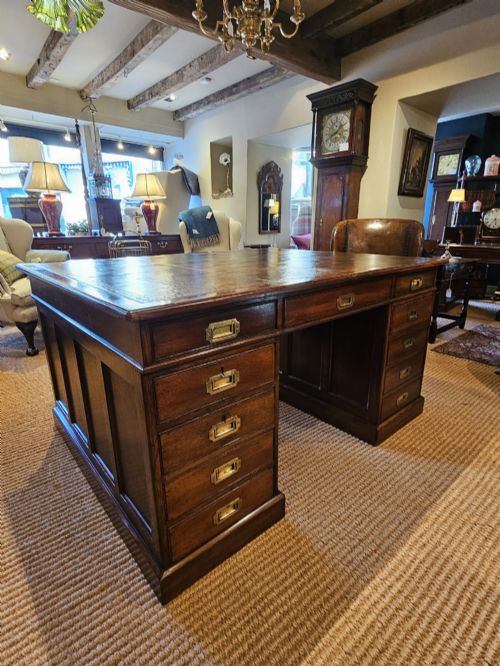
- A freestanding writing desk with a rectangular leather-inset top and drawers in the frieze. These desks typically display prominent brass mounts along the cabriole legs.
Brass Mount Table: Frequently Asked Questions
What is a brass mount table?
A brass mount table is a piece of wooden furniture embellished with cast metal fittings, ranging from small occasional tables to large writing desks.
These pieces utilise metals like ormolu and gilt brass to accent corners, legs, and drawer edges, originating mostly from nineteenth-century French and English workshops.
How do I clean the brass mounts?
Cleaning requires a soft cloth and mild soapy water to remove dust and surface grime from the metal.
Harsh commercial metal polishes should be avoided because they can strip the original gilding and stain the surrounding wood veneer.
Where should I place a display table?
A display or bijouterie table works best in a drawing room or hallway away from direct sunlight.
Excessive heat and light can fade delicate wood veneers like kingwood and rosewood while drying out the antique timber.
How do I identify French revival styles?
French revival styles typically feature curved cabriole legs, elaborate marquetry, and prominent gilt bronze mounts inspired by earlier royal courts.
Nineteenth-century makers frequently reinterpreted Louis XV and Louis XVI designs, combining traditional hand-cut veneers with modern casting techniques.