



Brass Mount Clock
A brass mount clock brings together fine cabinet timbers and cast metalwork, offering a functional piece of history for the mantel or table.
Brass Mount Clock
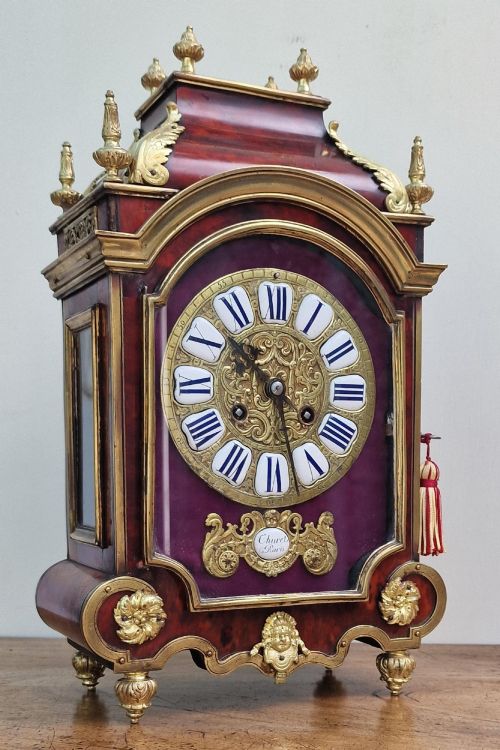
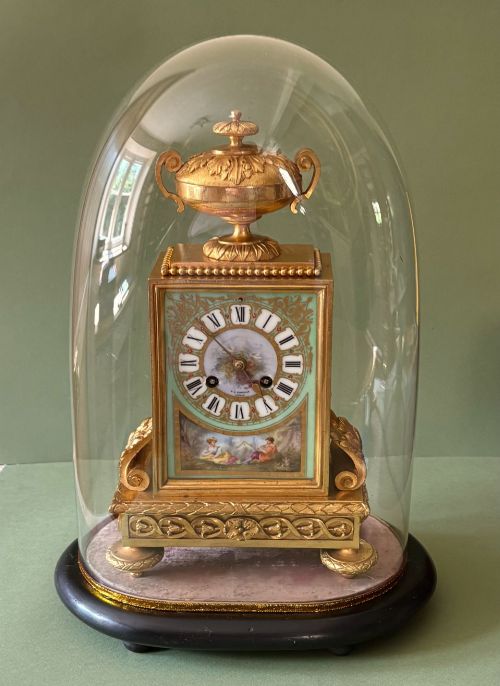
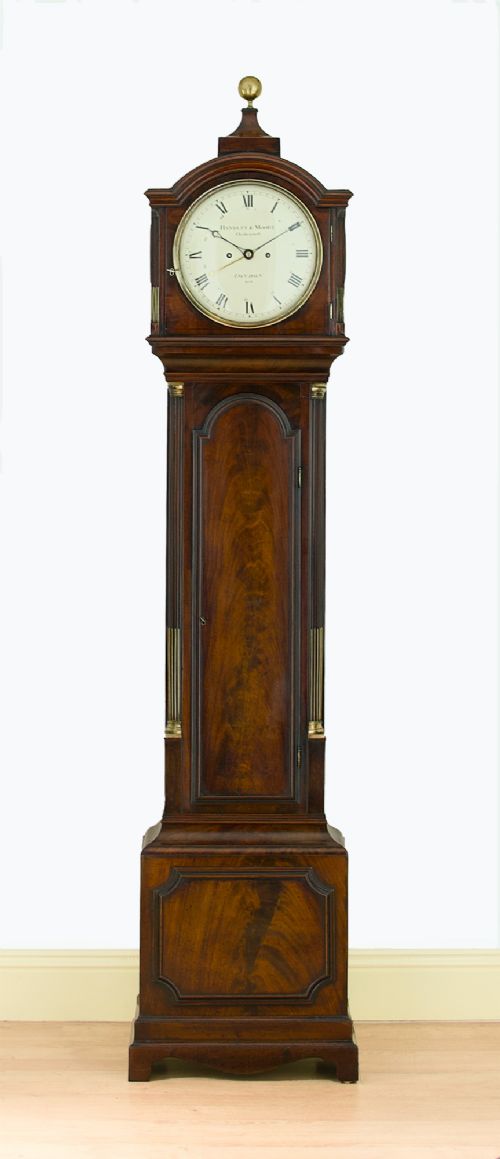
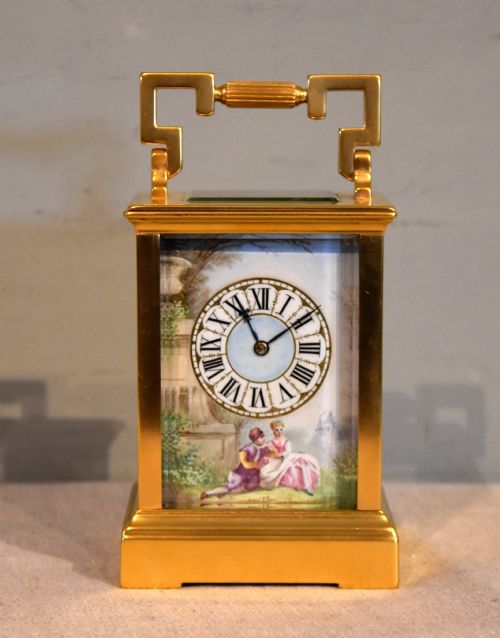
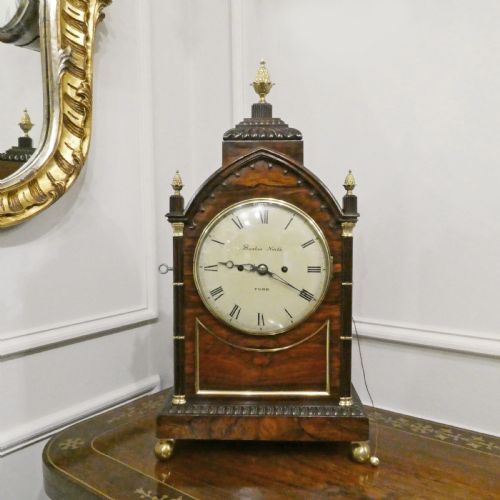
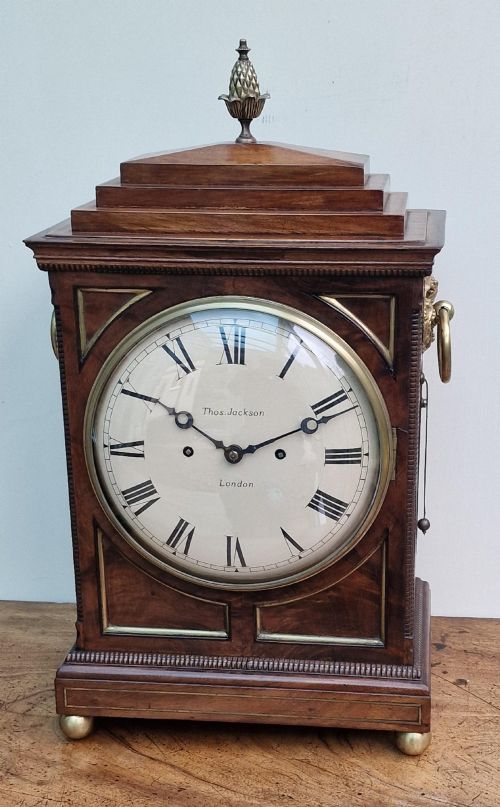
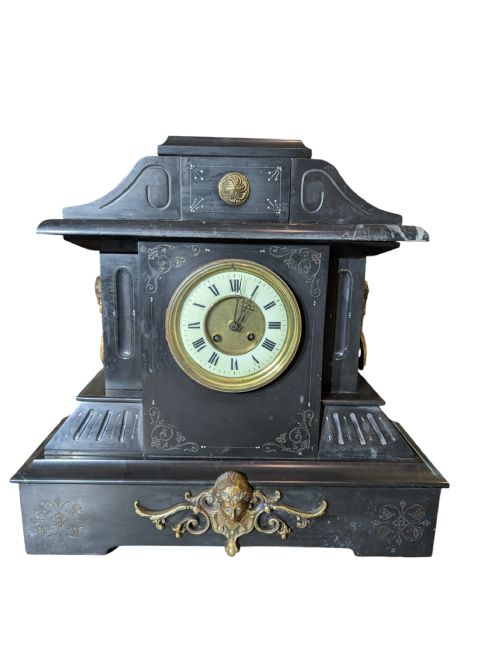
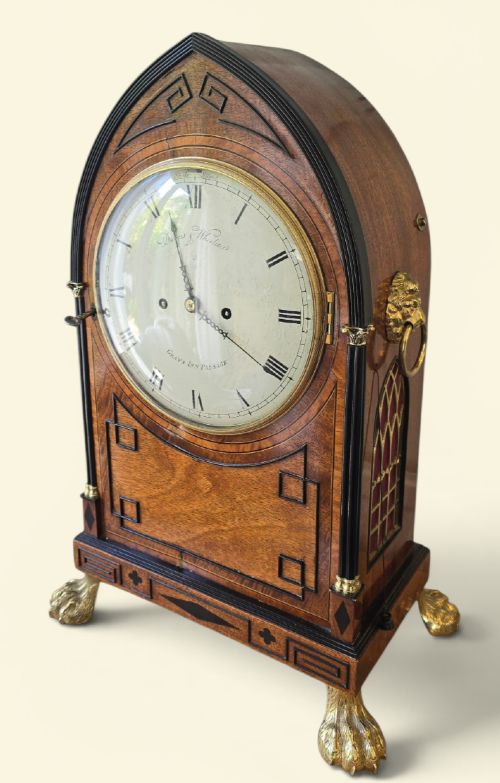
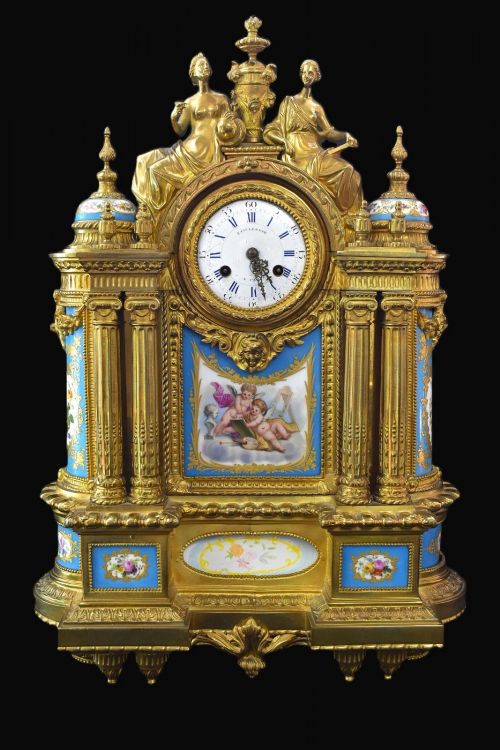
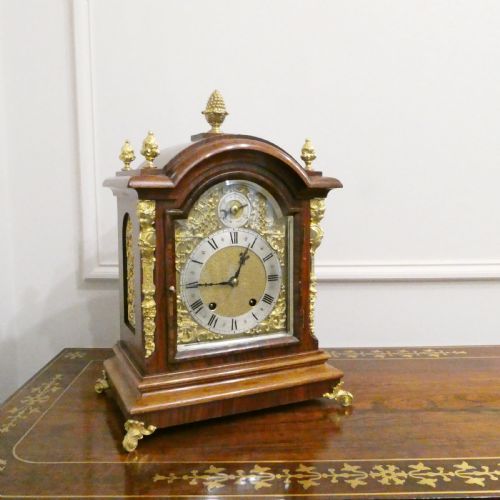
A brass mount clock is a timekeeper embellished with decorative metal fittings, ranging from Georgian bracket clocks to ornate French mantel pieces. When you search for a brass mount clock, you encounter various forms including table clocks, longcase clocks, and striking mantel pieces housed in rich timbers and stone.
The pieces on this page span several centuries, with particular strength in Georgian and Victorian examples alongside French works from the nineteenth century. Most items lean towards domestic timepieces designed for prominent rooms, featuring dials set into mahogany, rosewood, marble, or tortoiseshell bodies.
Makers from London, Paris, and regional workshops appear across the selection, applying cast or gilt mounts to punctuate architectural timber cases. Whether architectural in mahogany or curvaceous in tortoiseshell, these pieces demonstrate how metalwork frames and elevates a functional dial.
How they were made
Makers constructed these clock cases using dense timbers like mahogany, ebony, and rosewood, often pairing them with intricate tortoiseshell or boulle marquetry. These wooden carcasses provide the structural weight needed to support heavy mechanical movements and swinging pendulums.
Workshops applied ormolu, gilt bronze, and brass mounts to corners, feet, and bezels, casting and chiselling the metal before gilding or polishing. Enamel dials and glass panels complete the composition, protecting delicate hand-painted numerals and fine metal hands.
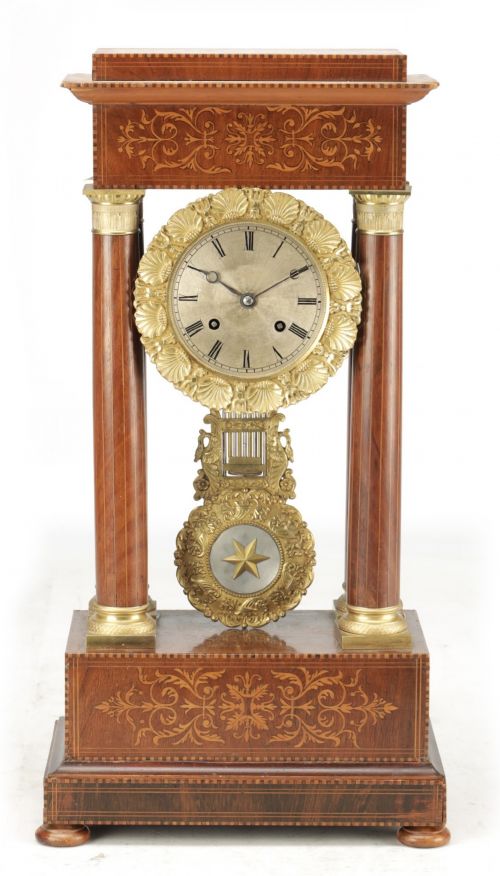
The selection spans seventeenth-century table pieces, Georgian bracket clocks, and nineteenth-century French mantel and portico designs.
What varies in quality
Quality rests heavily on the crispness of the brass and ormolu casting, where sharper chiselling and deeper relief separate superior mounts from soft, commercial replacements. The weight and proportion of the metal elements relative to the timber case dictate the overall visual balance.
The refinement of the cabinetmaking equally defines the tier of a piece, observable in tight veneer work, subtle stringing, and well-fitted doors. Movement complexity, from simple timepieces to quarter-striking and musical bracket clocks, marks the distinction between standard workshop output and master production.
Thuret·Handley & Moore·Barber & North of York·Thomas Jackson·Desbois & Wheeler·Etienne Lenoir·Schneckenburger·Francis Perigal·Turner of London·John Witherston·Henry Jones·Des Granges·Paul Philip Barraud·James McCabe
The Brass Mount Clock Glossary
- Ormolu
- Gilded bronze used for decorative mounts and ornaments on furniture and clock cases. The technique involves applying a mercury and gold amalgam to cast bronze before heating.
- Bracket clock
- A portable tabletop or bracket-mounted clock developed in the seventeenth century. They typically feature carrying handles and precise mechanical movements.
- Boulle work
- A type of marquetry using brass and tortoiseshell inlaid in opposing positive and negative patterns. It is named after André-Charles Boulle, master cabinetmaker to Louis XIV.
- Portico clock
- A mantel clock designed in the architectural form of a classical portico with columns. These pieces often feature a suspended pendulum swinging within the central opening.
- Lancet-top
- A clock case profile featuring a pointed, gothic arch shape at the peak. This design was particularly popular during the Georgian and Regency periods.
Brass Mount Clock: Frequently Asked Questions
What is a brass mount clock?
A brass mount clock is any timekeeper decorated with cast, chased, or gilded metal mounts applied to a wooden, marble, or tortoiseshell case. These mounts serve both structural and aesthetic purposes, reinforcing corners and adding decorative relief.
Such clocks range from small Regency table pieces to large Victorian marble mantel designs and towering Georgian longcase clocks.
How do I wind a mechanical clock?
Mechanical clocks require a key or crank inserted into winding holes on the dial face to tension the internal springs or lift the driving weights. Care must be taken not to over-wind the movement, stopping firmly when resistance is felt.
Different models require winding at intervals ranging from eight days to daily, depending on the complexity of the gear train and striking mechanism.
Where were these clocks placed?
Historically, bracket and table clocks sat upon designated wall brackets, side tables, or mantelpieces where their striking mechanisms could easily be heard throughout a room. Larger longcase clocks stood directly on the floor in hallways or principal reception rooms.
Their placement depended on both the need for stability to keep the pendulum swinging truly and the desire to display fine cabinetwork to visitors.
How can I tell the period of a clock?
The period of a clock is typically identified through a combination of case style, timber choice, dial construction, and maker signatures. Georgian pieces often favour mahogany and restrained brass fittings, while Victorian and Napoleon III examples lean towards ornate ormolu, boulle work, and marble.
Signatures inscribed on the brass backplate or dial also allow collectors to cross-reference working dates of specific makers and workshops.