

Brass Mahogany Box
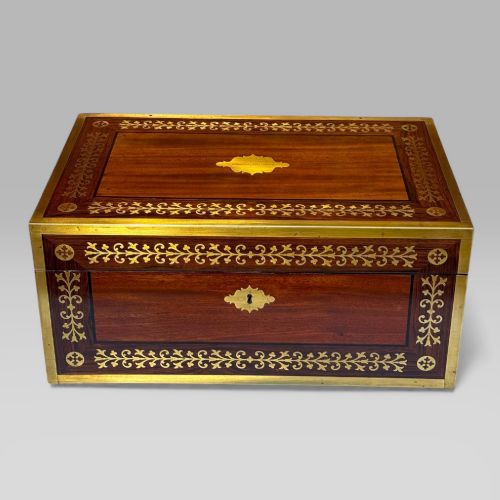
A brass mahogany box brings together warm timber and crisp metalwork, uniting utility and display in a portable container.
Brass Mahogany Box
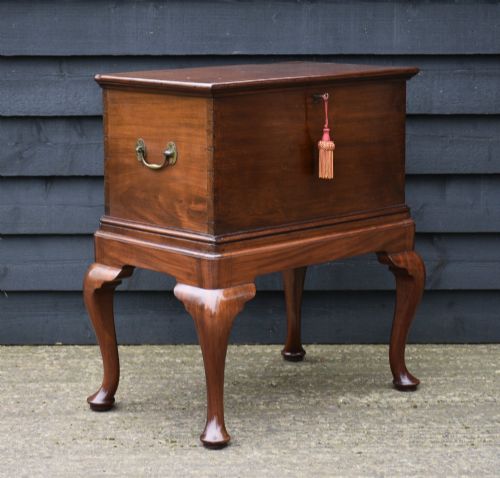
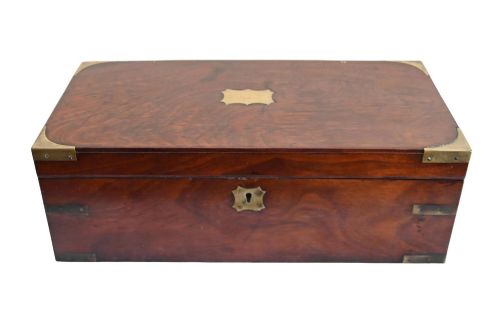
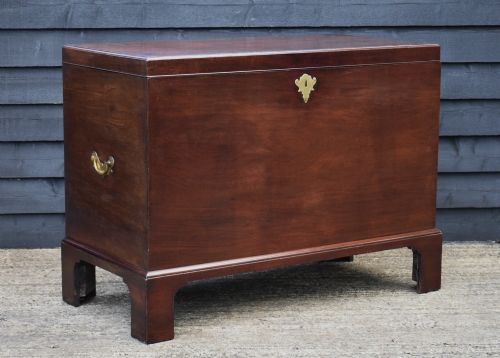
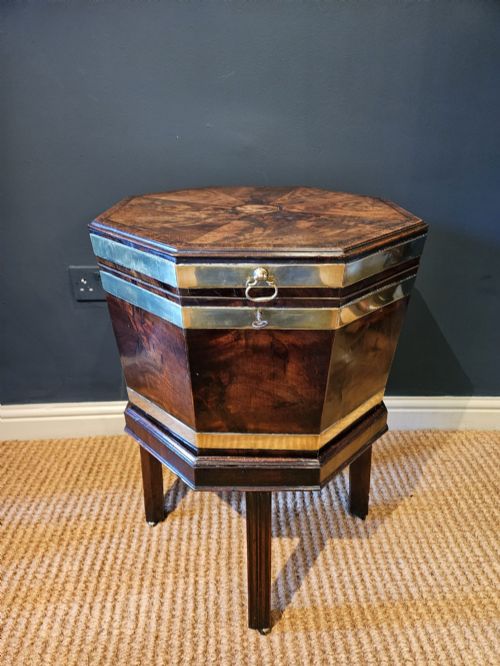
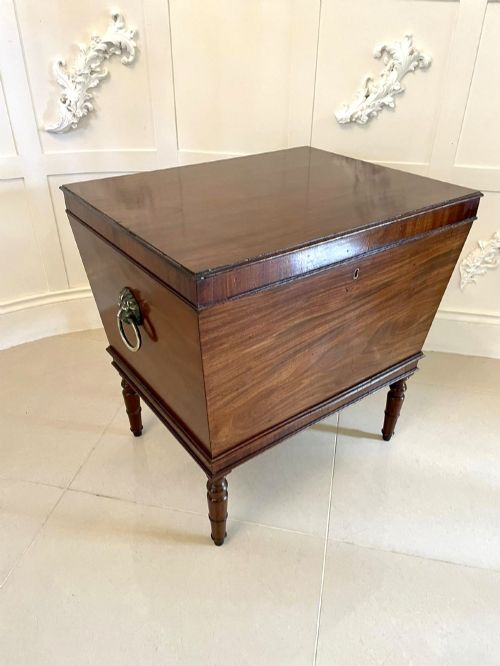
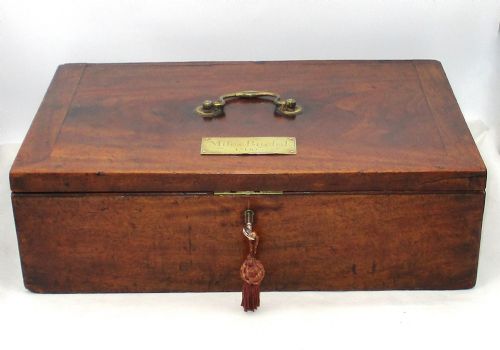
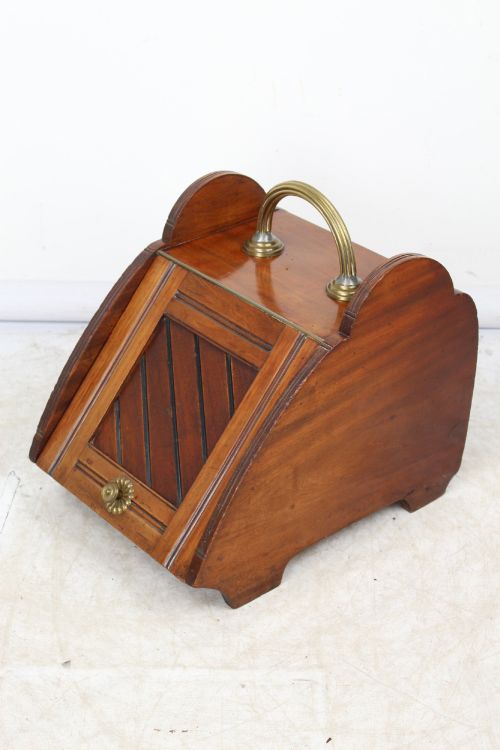
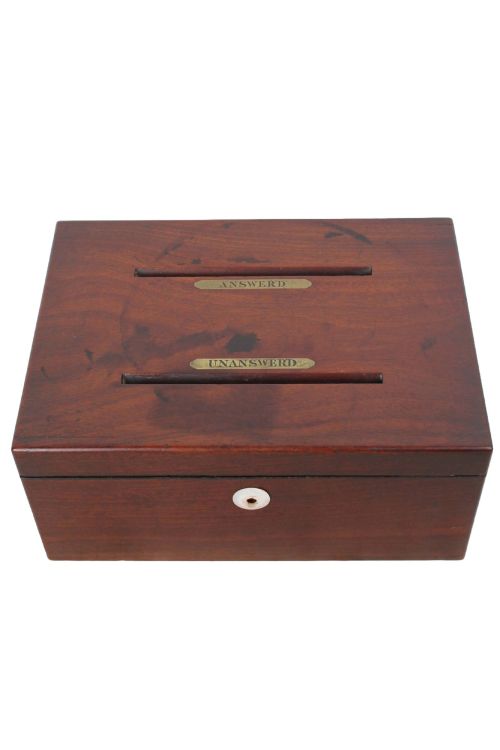
When searching for a brass mahogany box, buyers encounter a diverse selection of utilitarian and decorative containers originating primarily from the Georgian, Regency and Victorian periods. These pieces span from campaign writing slopes and tea caddies to cellarettes, apothecary boxes and correspondence chests.
The most frequent examples on this page are mid-19th-century campaign writing slopes and deed boxes, constructed for travel and administrative duties. Their dense timber frames and inset metal fittings reflect a demand for robust storage that endured rigorous daily use.
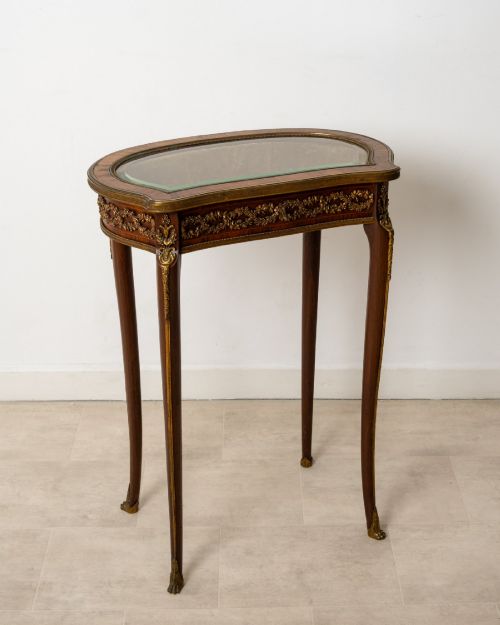
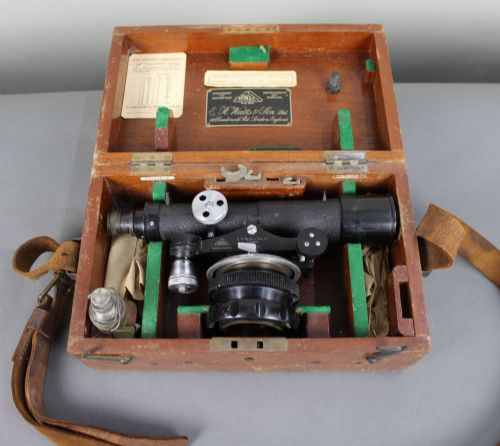
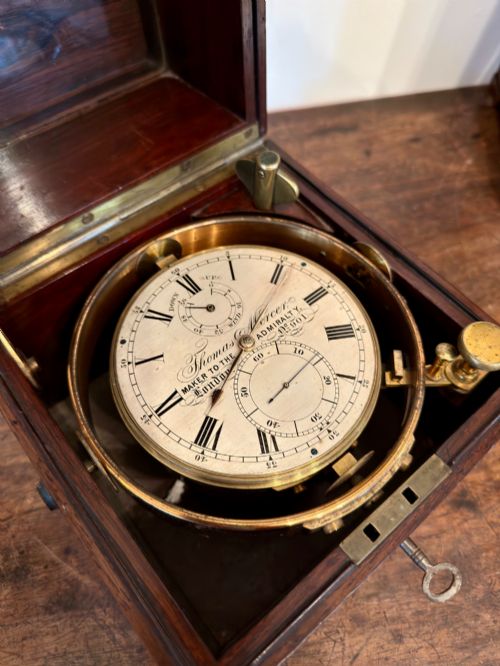
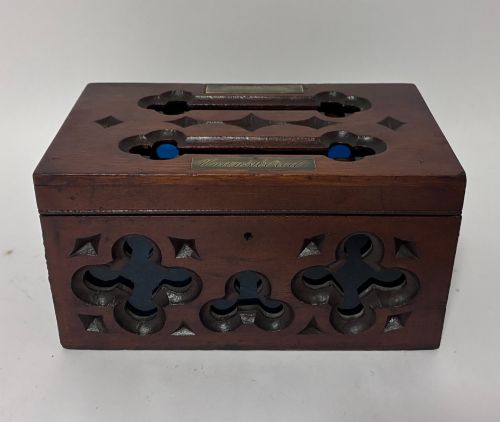
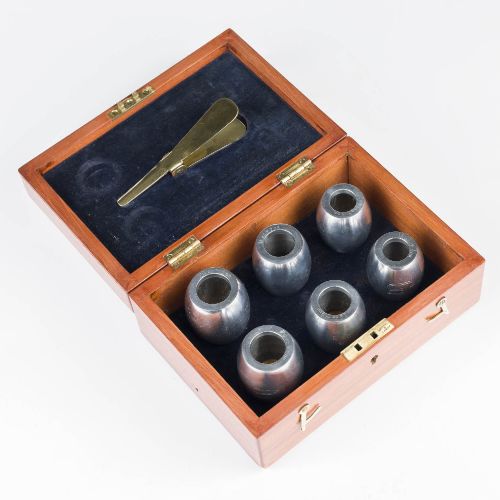
Beyond desk accessories, the category includes specialised scientific instrument cases, jewellery boxes and tabletop containers featuring inlaid brass details. Each iteration demonstrates how functional receptacles were elevated through select materials and careful carpentry.
How they were made
Cabinet makers utilised dense, stable timber for the primary carcass, pairing it with heavy brass for structural reinforcement and decorative inlay. Corners and edges frequently received flush-fitting brass straps and corner brackets to withstand the strains of transit.
Internal compartments required intricate joinery, often incorporating secret drawers, velvet linings and fitted glass bottles. Selected pieces also integrated secondary woods such as rosewood, ebony or boxwood for contrasting stringing and piquet decoration.
Snuff shoes shaped like miniature clogs reveal how Georgian travellers combined practicality with whimsy.
What varies in quality
The distinction between standard utility items and exceptional examples lies in the precision of the brass work and the integration of internal mechanisms. Superior boxes display hand-cut dovetail joints, perfectly flush metal banding and robust locking systems complete with working keys.
Design complexity also elevates a piece, visible in secret compartments, custom apothecary fittings, and multi-tier interiors. The selection of the mahogany veneer, exhibiting rich grain patterns and deep natural colour, further separates ordinary storage vessels from fine decorative objects.
Edwards and Roberts·C. Roberson and Co Ltd
The Brass Mahogany Box Glossary
- Campaign box
- A portable container designed for military officers or travellers, featuring recessed brass handles and reinforced corners to endure long journeys.
- Cellarette
- A lockable container used for storing wine bottles, frequently lined and reinforced with brass bands during the Georgian era.
- Writing slope
- A desk box featuring an angled, hinged lid lined with leather or velvet for correspondence, often housing inkwells and pen trays.
- Apothecary box
- A fitted chest containing glass bottles, scales and pestles for medicinal preparations, secure with brass locks.
- Tantulus
- A wooden frame holding decanters visible but secured by a locking metal bar across their stoppers.
- Piquet
- Fine inlay work using tiny brass pins or wire to create delicate geometric patterns on timber surfaces.
Brass Mahogany Box: Frequently Asked Questions
What is a brass mahogany box used for?
These boxes served a multitude of domestic, administrative and travel functions, storing everything from writing paper and legal deeds to medicine and wine.
Owners relied on them to keep valuable or private possessions secure and organised during an era when portable security was essential.
How do I identify a campaign box?
Campaign boxes are typically distinguished by inset brass carrying handles, reinforced brass corners and durable construction designed for military life.
They open to reveal fitted interiors that often collapse or fold to save space during transport.
How should I clean a mahogany box?
Maintenance requires gentle dusting with a soft, dry cloth and occasional application of appropriate wax to nourish the timber.
Harsh chemical cleaners and excessive moisture must be avoided to protect the polished surface and the inset brass fittings.
Are original keys common?
Original working keys are uncommon because locks were frequently changed or keys were lost over centuries of use.
Many surviving pieces retain period locks, though replacement keys are often fitted to ensure the mechanisms remain functional.