

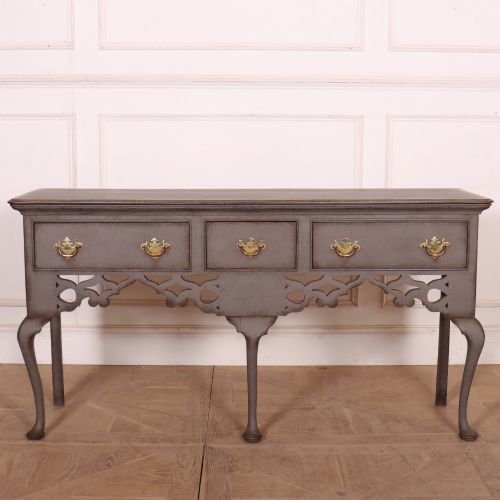
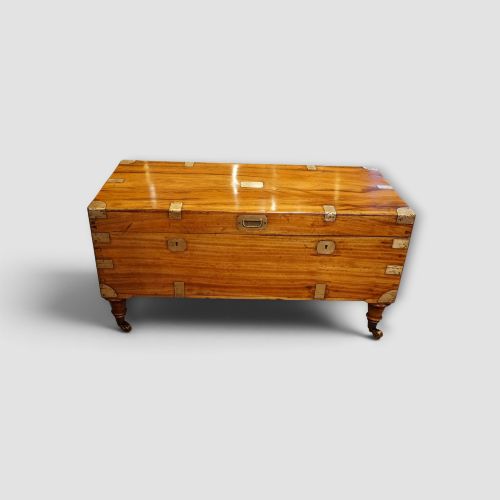
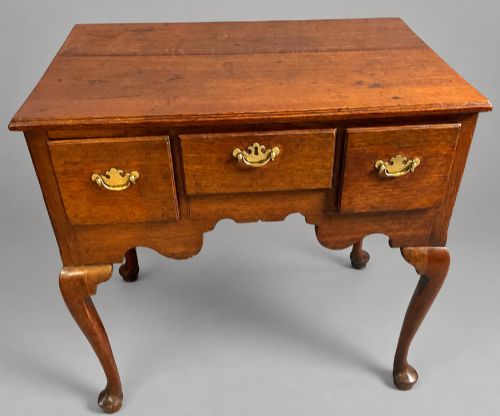
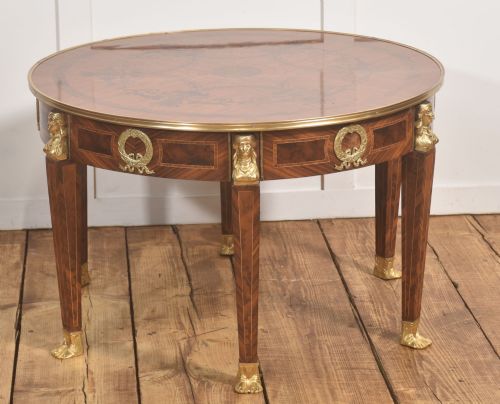

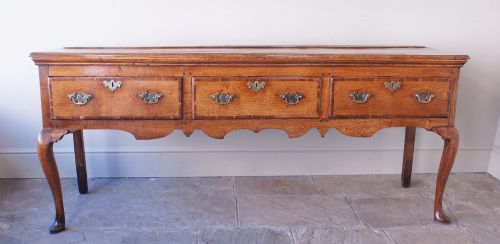
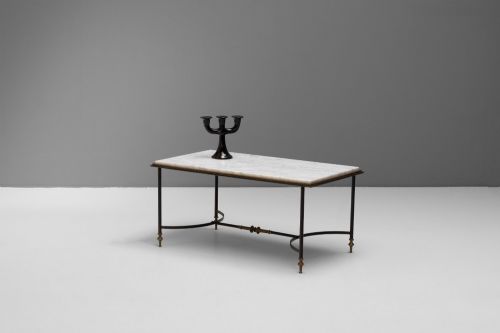
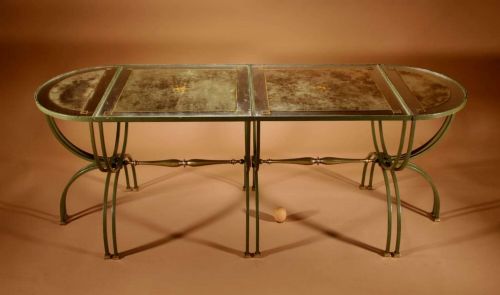
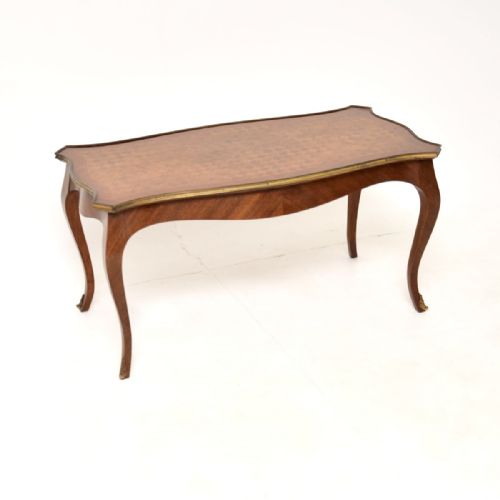
Brass Low Table
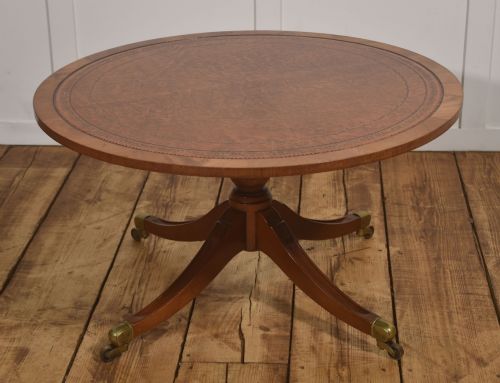
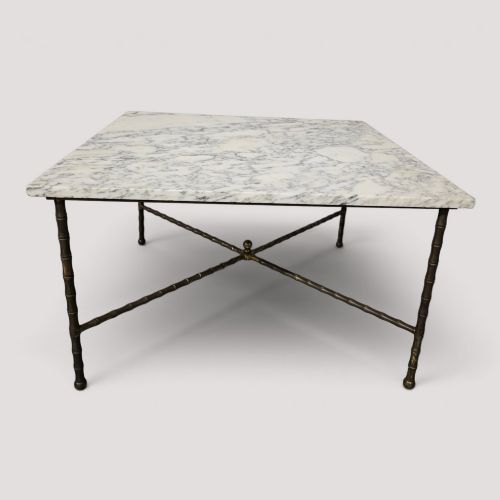
A brass low table brings warmth and reflective surface to a room, drawing the eye with polished metal and glass or marble tops.
Brass Low Table
A brass low table encompasses pieces designed for surface use at a reduced height, frequently encountered in French, English and Indian forms from the nineteenth and twentieth centuries.
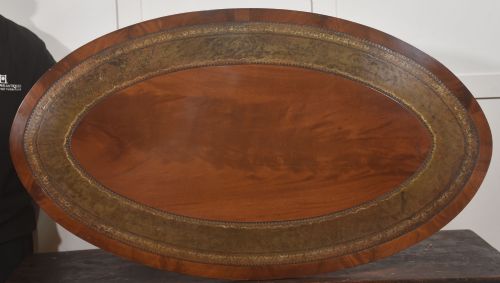
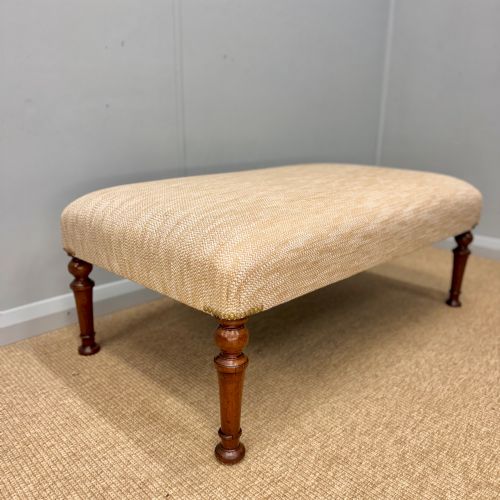
Buyers will find coffee tables, occasional tables and side tables featuring metal frames paired with glass, marble or wood.
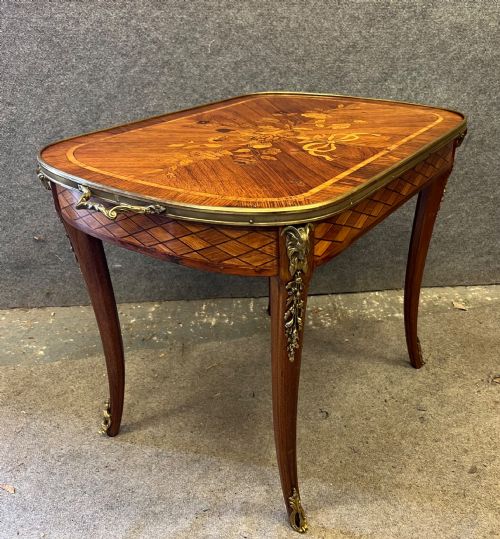
The selection ranges from Parisian tray-top designs and Indian low tables to twentieth-century brass and glass creations reflecting various revival styles.
How they were made
Construction relies on cast or tubular brass frameworks, often combined with inset panels of marble, onyx or clear glass.
Wooden elements such as mahogany, rosewood and oak provide structural carcasses, sometimes enhanced by brass inlay, galleries or mounts.
French and English workshops utilised traditional joinery alongside metalworking techniques, incorporating parquetry, lacquering and hand-polished finishes.
Brass Low Table Retail Price Guide 2026
Typical asking prices for brass low table among the pieces listed under this phrase on Sellingantiques today, from the lower quarter to the upper quarter. They describe what is for sale here now, not the wider market.
Several tables show evidence of past travels, including low Indian tables carved for domestic use before reaching European drawing rooms.
What varies in quality
The distinction between ordinary and superior pieces rests on the weight and crispness of the brass casting, alongside the selection of secondary timbers and stone tops.
Fine examples display precise joints, original gilding or patination, and substantial glass or marble inserts rather than lightweight substitutes.
Gillows·Maison Jansen·Maison Bagues·Masion Ramsay·Romeo Rega
The Brass Low Table Glossary
- Ormolu
- Gilded bronze or brass mounts applied to furniture. This technique provides decorative metallic highlights, common in French neoclassical and revival pieces.
- Parquetry
- Geometric wood inlay forming patterned surfaces. It creates decorative geometric designs across tabletops and cabinet fronts.
- Gallery
- A raised miniature railing around the edge of a tabletop. It prevents items from sliding off the surface.
- Demi-lune
- Half-moon shape used for tables designed to sit flush against a wall. This profile suits narrow spaces and side table configurations.
- Tray top
- A removable or fixed tabletop with raised edges resembling a serving tray. It allows the surface to function both decoratively and practically.
Brass Low Table: Frequently Asked Questions
How do I clean a brass low table?
Dust regularly with a soft, dry cloth to prevent the accumulation of grit and grime on the metal and glass surfaces.
Avoid harsh chemical polishes that can strip the historic patination or damage delicate lacquered finishes on the brass.
Are these tables sturdy enough for daily use?
Most pieces are constructed with robust timber frames or heavy metal bases designed to withstand normal domestic placement.
Tables with inset glass or marble require care to avoid heavy impacts that might chip the stone or shatter the glass top.
How do I date a brass and glass table?
Examine the construction methods of the frame, the fixings used to secure the top, and the composition of the brass itself.
Twentieth-century examples often utilise welded tubular frames, whereas nineteenth-century pieces rely on mechanical fastenings and cast components.
Will a brass table suit a modern interior?
The reflective qualities of metal and glass allow these pieces to integrate seamlessly into contemporary living spaces.
French revival and mid-century designs offer clean lines that complement minimalist rooms as well as traditional period settings.